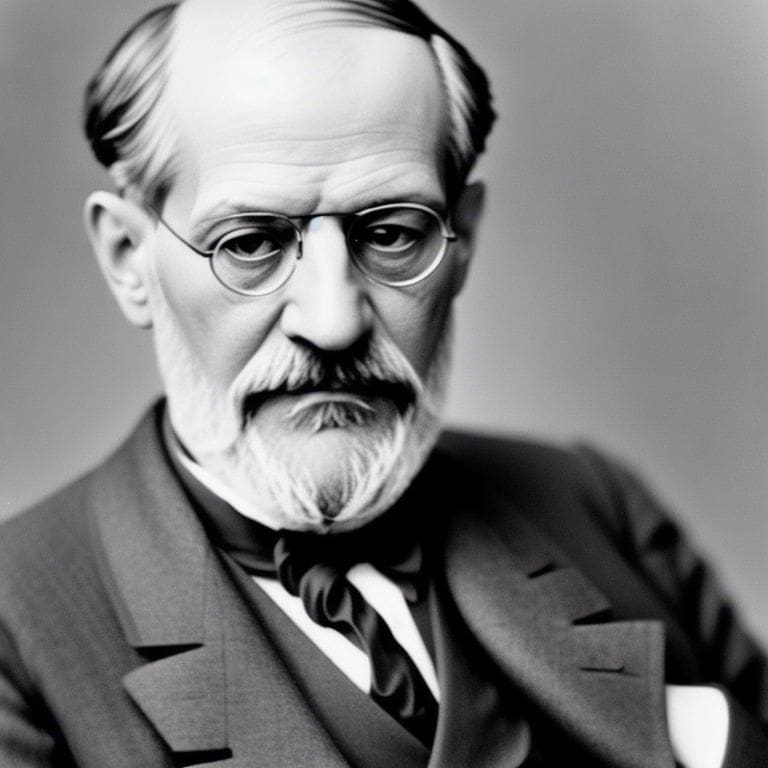


In the realm of psychology, gaining insights into the intricacies of human personality has always been a fascinating pursuit. Narcissism, a term derived from the Greek mythological character Narcissus, refers to an exaggerated sense of self-importance and an excessive preoccupation with oneself. Among the various contributors in understanding narcissism, Harry Guntrip, a renowned British psychologist, stands out with his unique perspective on this complex personality trait.
1. The Legacy of Harry Guntrip
Harry Guntrip’s work in the mid-20th century significantly contributed to the field of object relations theory. Drawing from his experiences as a psychotherapist, Guntrip sought to unravel the intricacies of relationships and self-identity, with narcissism being one of his focal points.
2. Narcissism Through the Lens of Object Relations Theory
According to the object relations theory, an individual’s self-identity is shaped by early interpersonal relationships, particularly the dynamics with primary caregivers. Guntrip believed that children with inadequate or neglectful parenting often develop narcissistic traits, stemming from a lack of emotional nurturing.
3. The Narcissistic Personality Structure
One of Guntrip’s key insights was the idea that narcissism is not merely a personality disorder but a defence mechanism. He argued that individuals with narcissistic tendencies build a grandiose self-image as a way to shield themselves from deep-seated feelings of inadequacy and worthlessness. Guntrip’s perspective helps us understand that narcissism is a coping mechanism rather than an inherent flaw.
4. The Impact of Deficient Object Relationships
Guntrip emphasised the critical role of early life experiences in the formation of narcissistic tendencies. He proposed that when children are deprived of empathetic support or face inconsistent and unpredictable emotional connections with their caregivers, they often struggle to develop a healthy sense of self. Consequently, they turn towards self-centredness, seeking validation solely from within.
5. Narcissism in Therapy
Guntrip believed that therapy could offer a life-altering opportunity for individuals with narcissistic traits. By providing a safe and non-judgemental space, therapy can help those struggling with narcissism uncover their underlying insecurities and foster more authentic and healthier connections with others.
6. Balancing Healthy Self-Love
While Guntrip shed light on the negative consequences of narcissistic traits, he also recognised the importance of healthy self-love. Building a positive self-image and nurturing self-esteem is a vital aspect of mental well-being. Guntrip proposed that individuals can strike a balance by acknowledging their self-worth without resorting to grandiosity or disregarding the needs of others.
Conclusion
Guntrip’s views on narcissism encompass a holistic understanding of the origins, impacts, and potential pathways to healing for individuals who struggle with this complex personality trait. His contributions have enriched our understanding of narcissism, emphasising the importance of early relationships and providing hope for personal growth and change.
By delving into Guntrip’s theories, we gain valuable insights into the delicate interplay between self-love, interpersonal dynamics, and the complexities of the human mind. Ultimately, his work reminds us of the deep-rooted connections between our emotional experiences and the development of our personality, forming a foundation for further exploration and understanding in the field of psychology.
Share this:

You Might Also Enjoy Reading