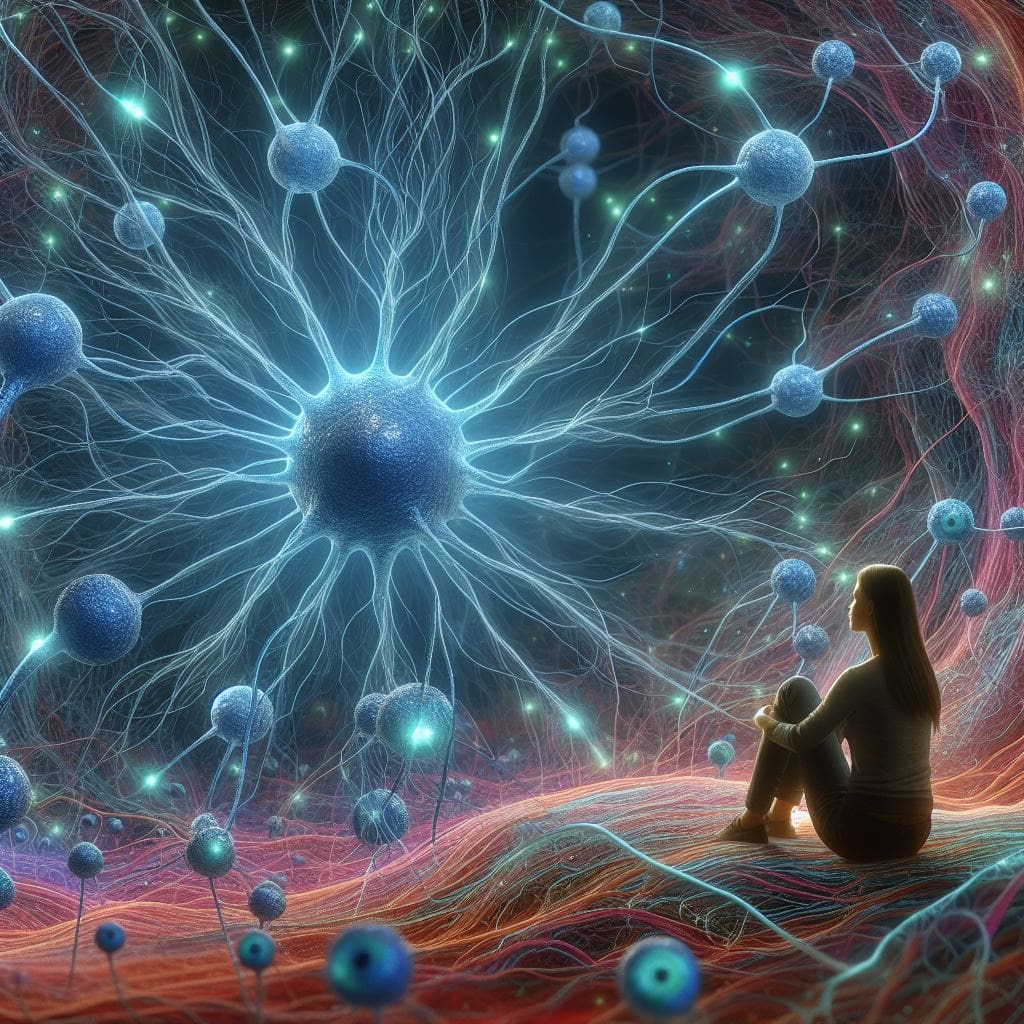
In the realm of psychology, understanding personality disorders is crucial to better comprehend the intricacies of human behaviour. Today, we will delve into an intriguing yet challenging personality type: the Schizoid Narcissist. This unique combination of traits combines the introversion and emotional detachment of schizoid personality disorder with the self-centredness and grandiosity of narcissistic personality disorder. Join us as we explore the characteristics, behaviour patterns, and potential implications of this complex personality structure.
Defining Schizoid Narcissism
The Schizoid Narcissist, as the name suggests, creates a notable paradox in personality traits. Schizoid personality disorder primarily encompasses emotional aloofness, detachment, and avoidance of social activities. Meanwhile, narcissistic personality disorder manifests as an excessive desire for admiration, self-absorption, and an exaggerated sense of self-importance. Combining these two opposing traits gives rise to a unique hybrid: the Schizoid Narcissist.
Characteristics and Behaviours
1. Emotional Detachment: The schizoid aspect of this personality structure often leads to an emotional void, as individuals struggle to associate and empathise with others. They may experience limited or absent emotional reactions, further amplifying their sense of detachment.
2. Self-Centredness and Grandiosity: The narcissistic side brings self-centredness and a profound need for admiration. Schizoid Narcissists possess an innate belief that they are superior to others, leading to an inflated ego and a constant craving for validation and attention.
3. Social Isolation and Avoidance: These individuals often avoid social situations as they struggle with forming and maintaining meaningful relationships. The fear of rejection or being criticised tends to drive them further into a solitary existence, detached from the needs and experiences of others.
4. Lack of Empathy: Schizoid Narcissists find it challenging to empathise with the emotions and perspectives of others. Their limited emotional range and intense self-focus prevent them from fully understanding and appreciating the feelings and struggles of those around them.
Implications and Challenges
Living with or having a close relationship with a Schizoid Narcissist can present various challenges, both for the individuals themselves and those around them. Some potential implications include:
1. Difficulty in Forming Meaningful Connections: The emotional detachment and social isolation characteristic of this personality structure make it arduous for the Schizoid Narcissist to establish deep and meaningful relationships. This may lead to feelings of loneliness and isolation.
2. Impact on Personal and Professional Life: These individuals may struggle to function effectively in the workplace or maintain long-term friendships due to their self-centredness, emotional unavailability, and difficulty working in teams.
3. Lack of Emotional Support: Schizoid Narcissists often struggle to provide emotional support to others, resulting in strained relationships and unfulfilled emotional needs for their loved ones.
Quick Instructions for Daily Practice and Healing
1. Identify and acknowledge the traits associated with schizoid narcissism.
2. Gain a deeper understanding of the root causes and underlying emotions driving these traits.
3. Seek professional help or therapy to explore and address these patterns.
4. Practise self-reflection and self-awareness to identify and challenge unhealthy behaviours and thought patterns.
5. Develop healthier coping mechanisms and interpersonal skills to engage with others more empathetically.
6. Foster meaningful and genuine connections by practising active listening and expressing genuine interest in others.
7. Continuously work on improving self-esteem and self-acceptance to reduce reliance on external validation.
8. Cultivate a sense of empathy and demonstrate compassion towards others.
9. Practise self-care and engage in activities that promote personal growth and well-being.
10. Maintain awareness of progress and setbacks while staying committed to personal growth and self-improvement.
Conclusion
The Schizoid Narcissist’s unique blend of characteristics underscores the intricate nature of personality disorders. Understanding and recognising these traits can help individuals themselves, as well as those around them, attain a deeper appreciation of their complicated behavioural dynamics. Compassion, empathy, and tailored therapeutic approaches can aid in fostering healthier interactions, promoting personal growth and overall well-being for all parties involved.
Share this:

You Might Also Enjoy Reading