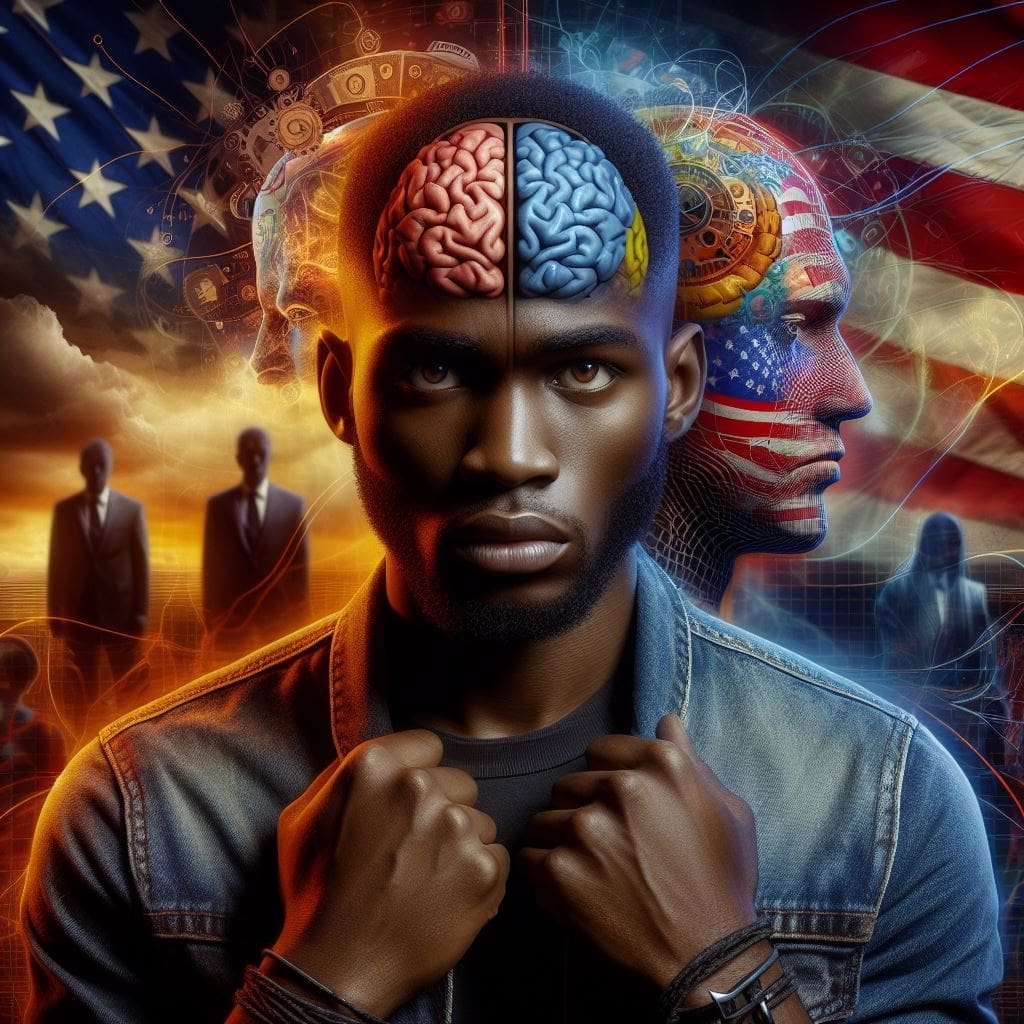


Criminal profiling, the art and science of identifying and analysing characteristics of criminals, has come a long way since its inception. Traditionally dominated by subjective interpretations and limited data, criminal profiling has evolved to embrace new technologies, methodologies, and interdisciplinary approaches. As we navigate the future, it is important to examine emerging trends and innovations that promise to revolutionise this field and lead law enforcement agencies to more accurate and effective profiling techniques.
1. Utilisation of Big Data Analytics
One of the significant trends in criminal profiling is the incorporation of big data analytics. Law enforcement agencies have access to vast amounts of data, including criminal records, online activities, and surveillance footage. By leveraging artificial intelligence and machine learning algorithms, investigators can analyse this massive dataset to uncover hidden patterns and invaluable insights. With such comprehensive and accurate data-driven profiling, the identification and apprehension of criminals can be greatly enhanced.
2. Behavioural Analytics
Behavioural analytics is another emerging trend in criminal profiling. It involves the analysis of a person’s behaviour, both online and offline, to gain insights into their intentions, motivations, and potential future actions. By examining communication patterns, online activities, and social media presence, investigators can paint a more detailed picture of an individual’s psychological makeup. Behavioural analytics enables experts to identify potential suspects and predict their next moves, allowing law enforcement agencies to proactively prevent crimes.
3. Advanced Forensic Technologies
While forensic science has been an integral part of criminal profiling for years, advancements in technology continue to revolutionise this field. Innovations like DNA profiling, biometric identification, facial recognition, and digital forensics provide investigators with a deeper understanding of crime scenes and suspects. These advanced forensic tools assist in establishing links between crime scenes, connecting criminals to their actions, and providing critical evidence for conviction. As technology progresses, we can anticipate further breakthroughs that will aid investigators in solving complex criminal cases.
4. Collaborative Approach
In the past, criminal profiling was primarily the domain of trained psychologists and investigators. However, to fully embrace the future of criminal profiling, a collaborative approach involving multidisciplinary teams is gaining traction. Collaboration between psychologists, data scientists, forensic experts, and law enforcement personnel allows for a more comprehensive analysis of criminal behaviour. By combining expertise and resources, professionals from various fields can collectively navigate the complex world of criminal profiling, leading to more accurate and reliable results.
Conclusion
As we navigate the future of criminal profiling, we witness a paradigm shift towards more objective, data-driven, and collaborative approaches. Big data analytics, behavioural analytics, advanced forensic technologies, and collaborative efforts hold immense potential to enhance the effectiveness and accuracy of criminal profiling. While challenges and ethical considerations remain, continuous advancements in technology and methodologies are gradually empowering law enforcement agencies to stay one step ahead of criminals. By embracing these trends and innovations, we move closer to a future where criminal profiling becomes an indispensable tool in preventing and solving crimes, ensuring a safer society for all.
Share this:

You Might Also Enjoy Reading