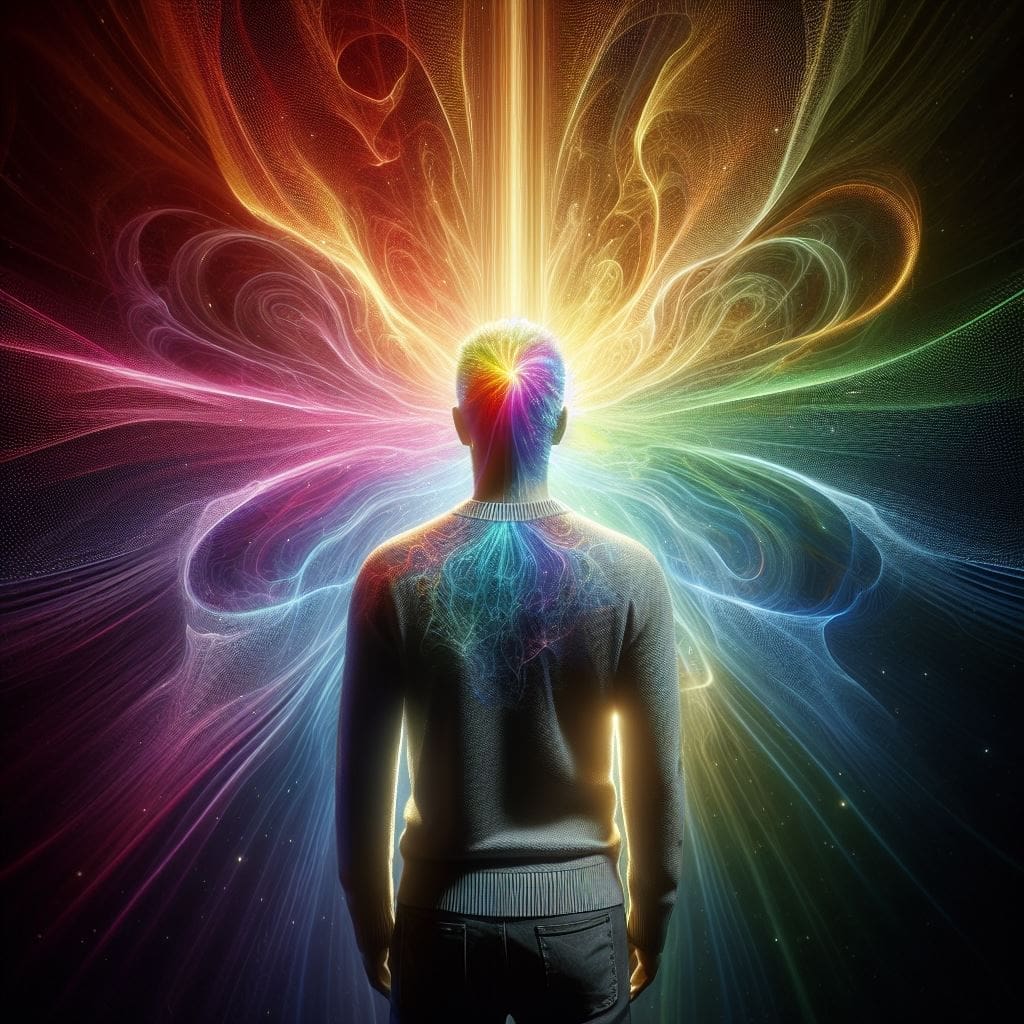
Automatism is a fascinating concept that has captivated the minds of artists, psychologists, and philosophers for centuries. It is a state of mind in which one allows their subconscious to take control, producing spontaneous and often unexpected creations. Whether it is in the form of painting, writing, or any other artistic medium, automatism offers a unique insight into the depths of the human psyche.
The origins of automatism can be traced back to the Surrealist movement in the early 20th century. Surrealist artists aimed to break free from the constraints of rational thought and explore the realm of the unconscious. They believed that by tapping into their deepest desires and fears, they could unlock a wellspring of creativity that is otherwise inaccessible.
One of the most prominent techniques used by Surrealist artists to achieve automatism is known as “automatic writing”. This involves allowing the hand to move freely across the page, without any conscious control or premeditated thought. The resulting text often appears nonsensical or disjointed, yet it is believed to reveal hidden insights and emotions that lie buried within the subconscious.
Automatism is not limited to the visual arts or writing; it can be found in various forms of expression. Musicians may experience it while composing a melody that seems to flow effortlessly, without any deliberate thought or planning. Dancers may enter a state of automatism during improvisational performances, where their bodies move instinctively to the music, uninhibited by conscious control.
Psychologists have also delved into the study of automatism, viewing it as a window into the unconscious mind. They believe that by observing the spontaneous actions, thoughts, and words produced in an automatic state, they can gain valuable insights into a person’s psychological state. This approach has contributed greatly to the field of psychoanalysis and has helped individuals uncover hidden traumas or unresolved conflicts.
Automatism can also be seen as a form of meditation or mindfulness practice. When we let go of our conscious control and allow ourselves to surrender to the flow of the subconscious, we enter a state of deep relaxation and inner exploration. It is in these moments of surrender that we can access our most authentic and uninhibited selves.
However, it is important to note that automatism is not a technique that can be easily mastered or controlled, despite its name. It requires a willingness to let go of control and embrace the unknown. It is a delicate balance between surrender and intention, as it is crucial to remain fully present and engaged with the process.
In conclusion, automatism is a powerful tool for self-exploration and artistic expression. It provides a glimpse into the hidden depths of our unconscious mind, allowing us to access a wealth of creativity and uncover hidden truths. Whether you are an artist seeking inspiration or an individual interested in exploring your own psyche, automatism offers a unique and profound journey. So, take a deep breath, let go of control, and allow yourself to be guided by the mysterious forces within.
Share this:

You Might Also Enjoy Reading