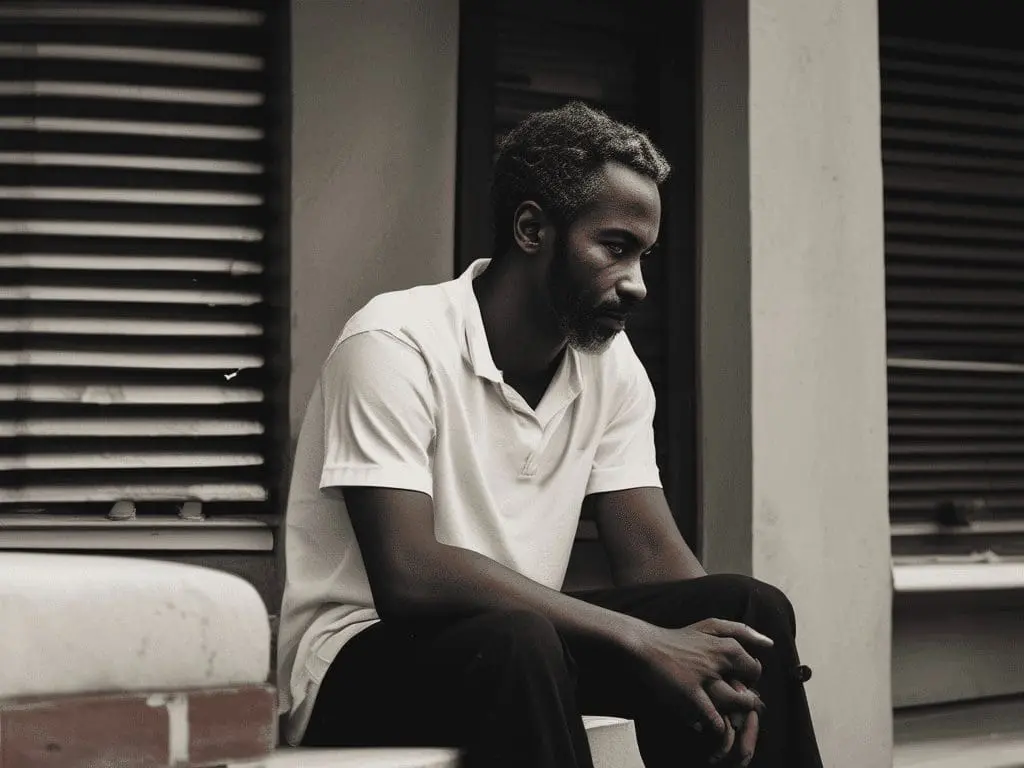

Racism is a pervasive issue in our society that impacts countless individuals on a daily basis. For many people of colour, racism is not just a theoretical concept or a distant concern – it is a lived experience that can have profound and lasting effects on their mental health and well-being.
One particularly insidious form of racism is traumatic racism, in which a person is subjected to repeated instances of racial discrimination, microaggressions, and other acts of bigotry that can result in significant psychological harm. Traumatic racism can manifest in a variety of ways, from overt acts of violence and hatred to more subtle forms of discrimination that chip away at a person’s sense of self-worth and belonging.
The impact of traumatic racism on individuals can be profound and long-lasting. Research has shown that experiencing racism can lead to a range of negative outcomes, including increased rates of anxiety, depression, and post-traumatic stress disorder. People who are exposed to traumatic racism may also develop a sense of hypervigilance, constantly on guard for potential acts of discrimination or violence.
One of the most troubling aspects of traumatic racism is that it can often be dismissed or minimised by those who have not experienced it firsthand. People of colour who speak out about their experiences of racism may be accused of exaggerating or playing the “race card,” further compounding their sense of isolation and helplessness.
It is important for all of us to acknowledge the reality of traumatic racism and to support those who have been affected by it. As a society, we must work together to combat racism in all its forms and to create a more inclusive and equitable world for all people. By listening to and amplifying the voices of those who have experienced traumatic racism, we can begin to build a more just and compassionate society for future generations.
Share this:

You Might Also Enjoy Reading