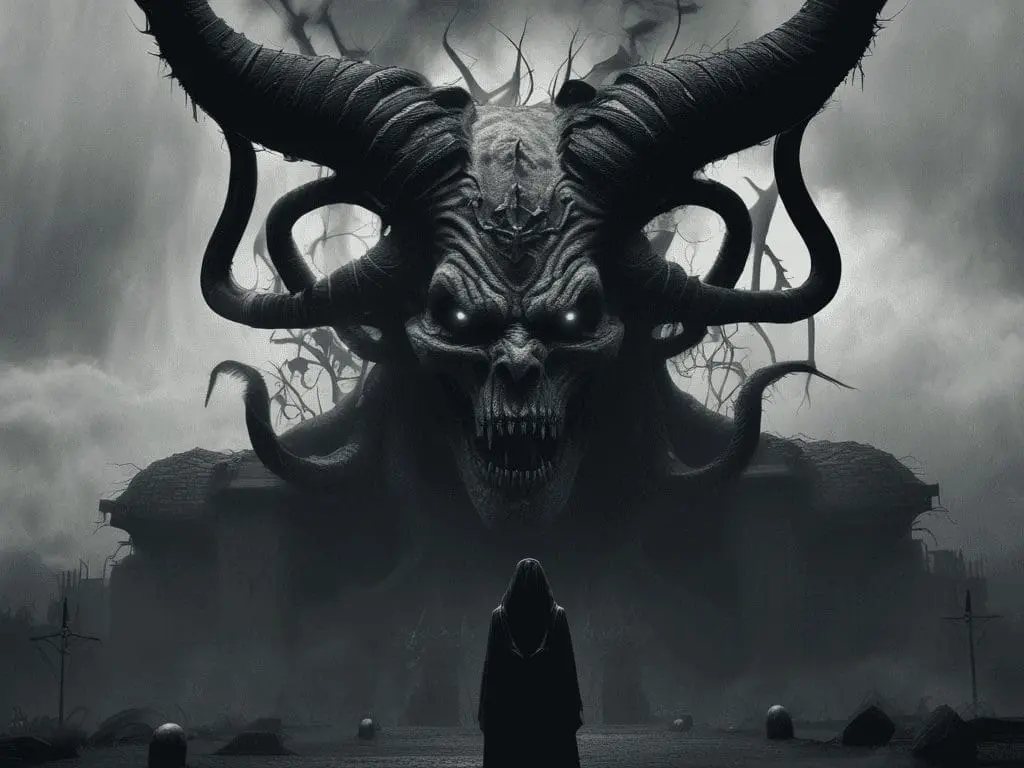

The concept of Satan, as a malevolent supernatural being who embodies evil and tempts humans to sin, has been a dominant figure in many religious traditions for centuries. However, as society continues to evolve and our understanding of morality and ethics shifts, the concept of Satan is becoming increasingly outdated.
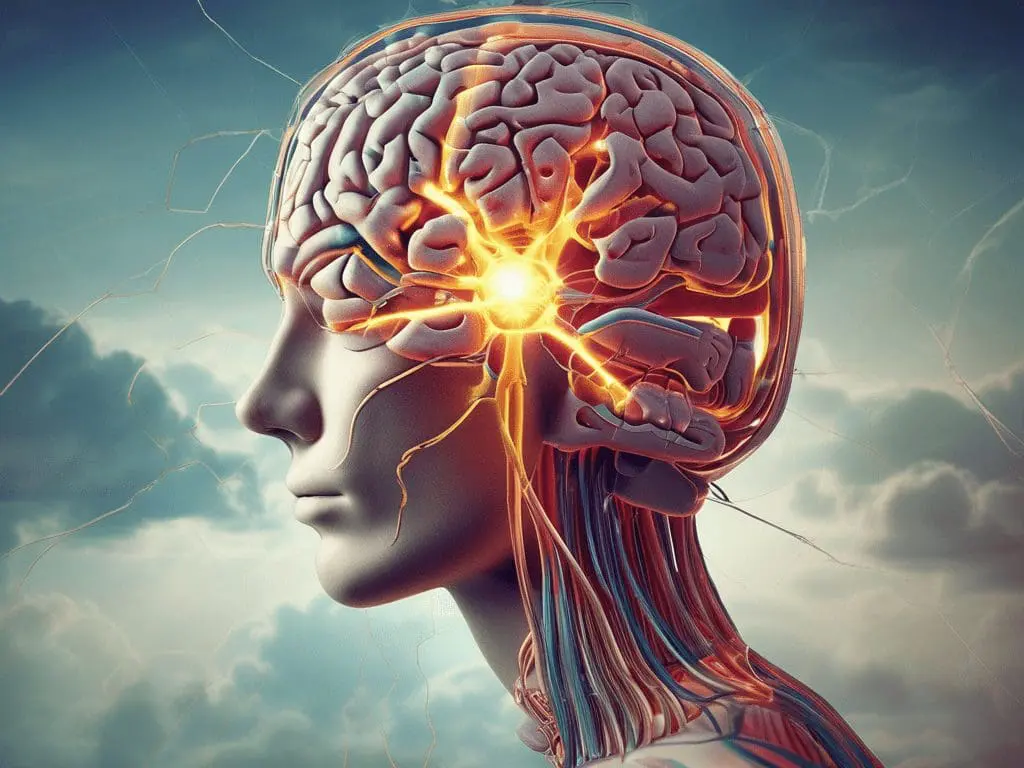
In today’s world, we have a more nuanced understanding of human behaviour and the factors that influence our actions. Psychological and sociological research has shown that our actions are often guided by a combination of internal motivations, external influences, and societal norms. The idea that a single supernatural being can be responsible for all evil in the world seems simplistic and outdated in light of these more complex understandings.
Furthermore, the concept of Satan as a figure who tempts individuals to sin and leads them astray is based on a rigidly dualistic view of good and evil. This black-and-white perspective fails to take into account the complexities of human nature and the gray areas that exist in moral decision-making. It also overlooks the fact that individuals are capable of making choices and taking responsibility for their own actions, rather than attributing them to external forces.
Moreover, the concept of Satan as a figure of eternal punishment and damnation is increasingly at odds with modern religious and spiritual perspectives that emphasise compassion, forgiveness, and the possibility of redemption. Many religious traditions now emphasise the importance of personal growth, self-reflection, and ethical living as paths to spiritual enlightenment, rather than focusing on fear-based narratives of punishment and damnation.
In light of these shifts in societal values and beliefs, it is clear that the concept of Satan as a malevolent supernatural being is becoming increasingly outdated. Instead of attributing evil to a single external source, we must acknowledge the complexities of human nature and the multiple factors that contribute to our actions. By embracing a more nuanced and compassionate understanding of morality and ethics, we can move beyond the outdated concept of Satan and strive towards a more inclusive and understanding society.
Share this:

You Might Also Enjoy Reading