
Beliefs play a significant role in shaping our perception of reality and influencing our thoughts, emotions, and behavior. But have you ever stopped to consider the neurobiological processes that underlie our beliefs?
Beliefs are essentially mental representations or constructs that we hold to be true. They can be based on personal experiences, cultural values, social conditioning, or even religious teachings. Our brains are constantly processing information and forming new beliefs based on the input we receive from our environment.
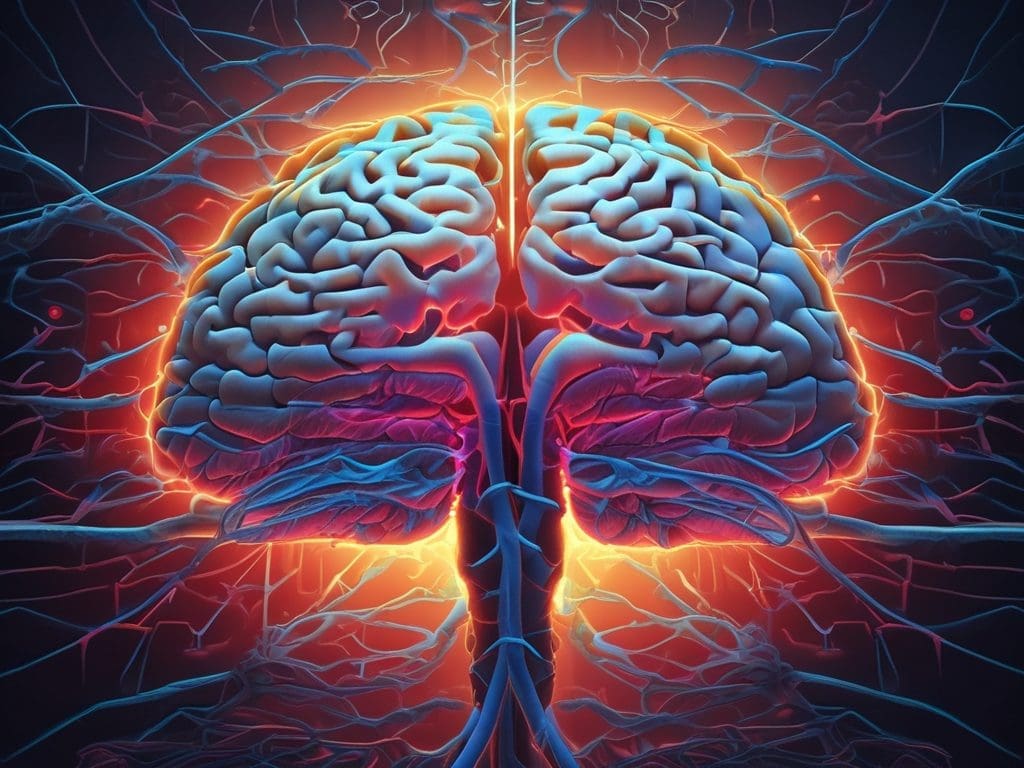
Neurobiologically speaking, beliefs are thought to be encoded in the brain through the firing of neurons and the release of neurotransmitters that facilitate communication between different regions of the brain. When we form a belief, certain neural pathways are strengthened and reinforced, making it easier for us to access and retrieve that belief in the future.
Research has shown that beliefs can have a profound impact on our physical and mental health. For example, studies have found that people who have a strong belief in their ability to recover from illness or injury tend to have better outcomes than those who have a more pessimistic outlook. This phenomenon, known as the placebo effect, highlights the power of belief in shaping our well-being.
Beliefs can also influence our perception of pain. Studies have shown that people who believe they are receiving an effective pain medication tend to experience less pain, even if they are actually receiving a placebo. This suggests that our beliefs can modulate the way our brains interpret and respond to sensory information.
Interestingly, beliefs can also be influenced by external factors such as social interactions and cultural norms. For example, if we are surrounded by people who hold certain beliefs, we are more likely to adopt those beliefs ourselves. This is known as social contagion and highlights the interconnected nature of belief systems within a community.
Overall, the neurobiology of belief is a fascinating area of study that sheds light on the complex interplay between our brains, beliefs, and behaviour. By understanding how beliefs are formed and how they shape our perceptions and actions, we can gain insight into the mechanisms that govern human cognition and consciousness. So the next time you find yourself pondering your own beliefs, take a moment to consider the intricate neural processes that underlie them.
Share this:

You Might Also Enjoy Reading