
Political correctness- a term that has ignited many debates and discussions in recent years. Some view it as a necessary tool to promote inclusivity and respect for all individuals, while others see it as a hindrance to free speech and expression. So, what exactly is political correctness and why does it elicit such strong reactions?
At its core, political correctness is the idea that language and actions should be used in a way that avoids offending or marginalising certain groups of people, particularly those who have historically been oppressed or discriminated against. This can manifest in a variety of ways, from avoiding using derogatory terms or stereotypes to being mindful of how one’s actions may affect others.
Supporters of political correctness argue that it is crucial for creating a more inclusive and equitable society. By being conscious of our words and actions, we can create a more welcoming and respectful environment for all individuals, regardless of their background or identity.
However, critics of political correctness often claim that it goes too far and stifles free speech. They argue that by policing language and behaviour, we are limiting our ability to have open and honest discussions about important issues. They also fear that political correctness can lead to a culture of fear, where individuals are afraid to speak their minds for fear of being labelled as insensitive or offensive.
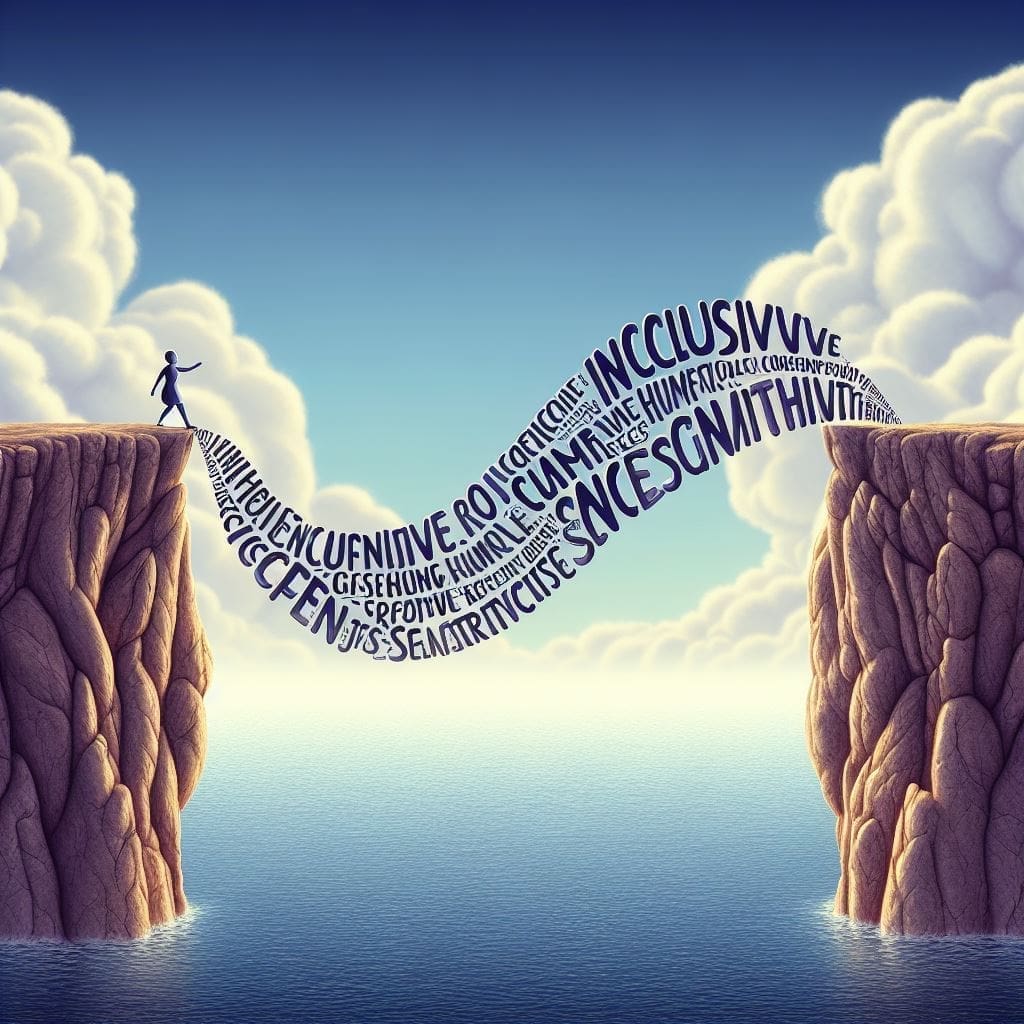
So, where does the truth lie? It’s important to strike a balance between being respectful and inclusive, while also allowing for open dialogue and differing opinions. It’s possible to be mindful of the impact of our words and actions, without stifling free expression.
In the end, political correctness is about being aware of the power of language and the importance of treating others with respect and dignity. It’s about creating a society where everyone feels valued and included, regardless of their background or identity. By being mindful of our language and actions, we can work towards creating a more compassionate and understanding world for all.
Share this:

You Might Also Enjoy Reading