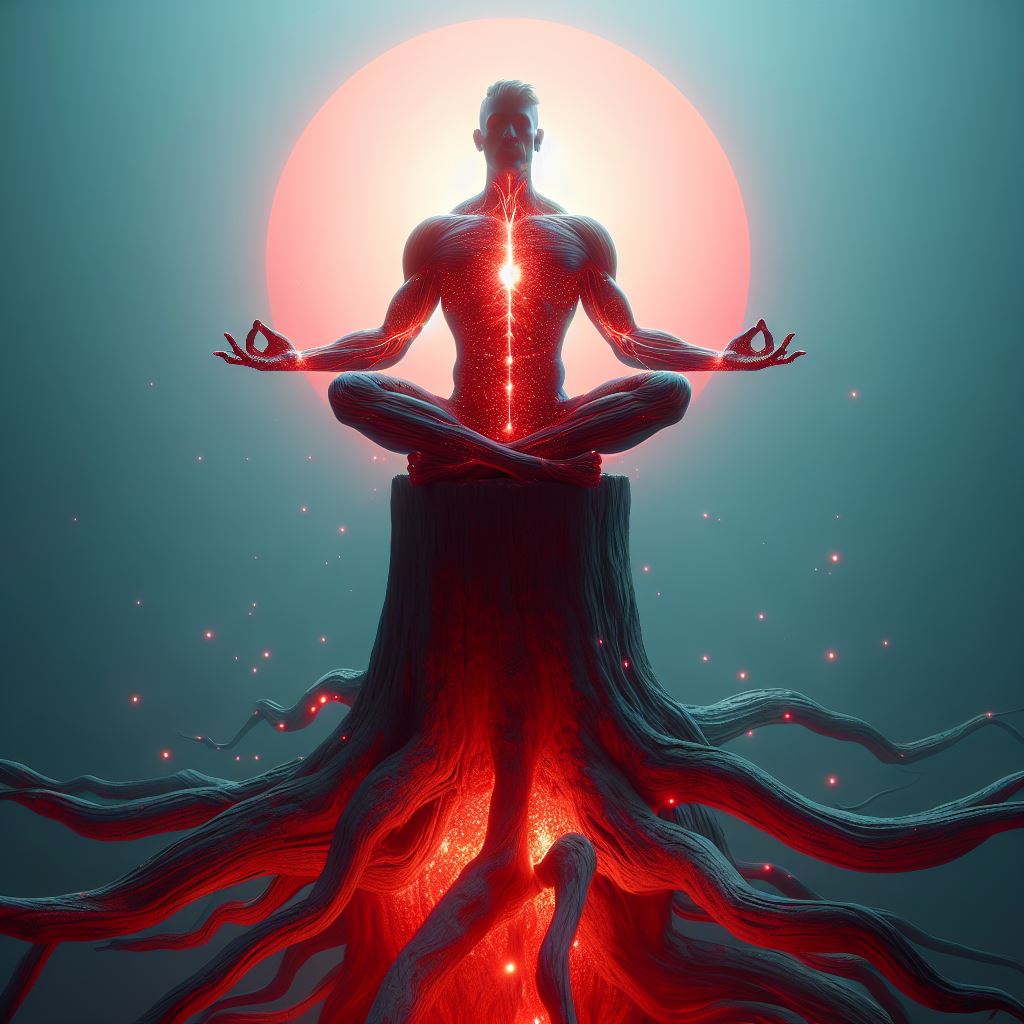
In today’s fast-paced world, it’s increasingly important to take care of our mental health. One method that many people turn to is escapism – the act of seeking distraction or relief from the stresses of everyday life. However, escapism is often misunderstood and seen as a negative coping mechanism. In reality, escapism can be a healthy way to give our minds a break and recharge.
First, it’s important to understand the psychology behind escapism. When we feel overwhelmed or stressed, our brain seeks ways to cope and protect itself. Escapism allows us to temporarily disconnect from reality and focus on something else – whether it’s through reading, watching movies, playing video games, or listening to music. This break from our worries can help us relax and recharge, making it easier to face our challenges when we return to reality.
Escapism can also provide a sense of control in a world that often feels chaotic and unpredictable. By immersing ourselves in a fictional world or engaging in a creative activity, we can feel a sense of agency and accomplishment. This can boost our self-esteem and overall well-being.
However, it’s important to strike a balance with escapism. While it can be a valuable tool for self-care, relying too heavily on escapism can lead to avoidance of problems and responsibilities. It’s important to set boundaries and ensure that escapism doesn’t become a crutch that prevents us from facing our challenges head-on.
So, how can we practise the art of mental breaks effectively? Here are a few tips:
1. Schedule regular breaks: Set aside time each day to engage in activities that bring you joy and relaxation. Whether it’s a few minutes of meditation, a walk in nature, or a creative hobby, make time for yourself to unwind.
2. Mix up your escapism activities: Variety is key when it comes to mental breaks. Try different activities and see what works best for you. Switching things up can prevent boredom and keep your mind engaged.
3. Practise mindfulness: While escapism can be a helpful tool, it’s also important to stay present and mindful in your day-to-day life. Mindfulness techniques can help you stay grounded and connected to the present moment.
In conclusion, escapism can be a valuable tool for self-care and mental health. By understanding the psychology behind escapism and practising it mindfully, we can give our minds the break they need to recharge and face life’s challenges with renewed energy and resilience. Remember to listen to your needs, set boundaries, and find activities that bring you joy and relaxation. The art of mental breaks is all about finding balance and taking care of yourself in a world that often feels overwhelming.
Share this:

You Might Also Enjoy Reading