Have you ever heard the saying, “What you think, you become”? This concept, known as the self-fulfilling prophecy, is a powerful psychological phenomenon that can have a significant impact on our lives.
At its core, a self-fulfilling prophecy is a belief that comes true because we act as if it is already true. In other words, our expectations can influence our behaviour in a way that shapes reality to match those expectations. This can be both positive and negative, depending on the beliefs we hold about ourselves and the world around us.
For example, if you believe that you are not good enough to succeed in a certain task, you may not put in the effort needed to achieve success. This lack of effort can then lead to failure, thus confirming your initial belief. On the other hand, if you have a positive belief in your abilities, you are more likely to put in the necessary work to achieve your goals, leading to success and reinforcing your belief in yourself.
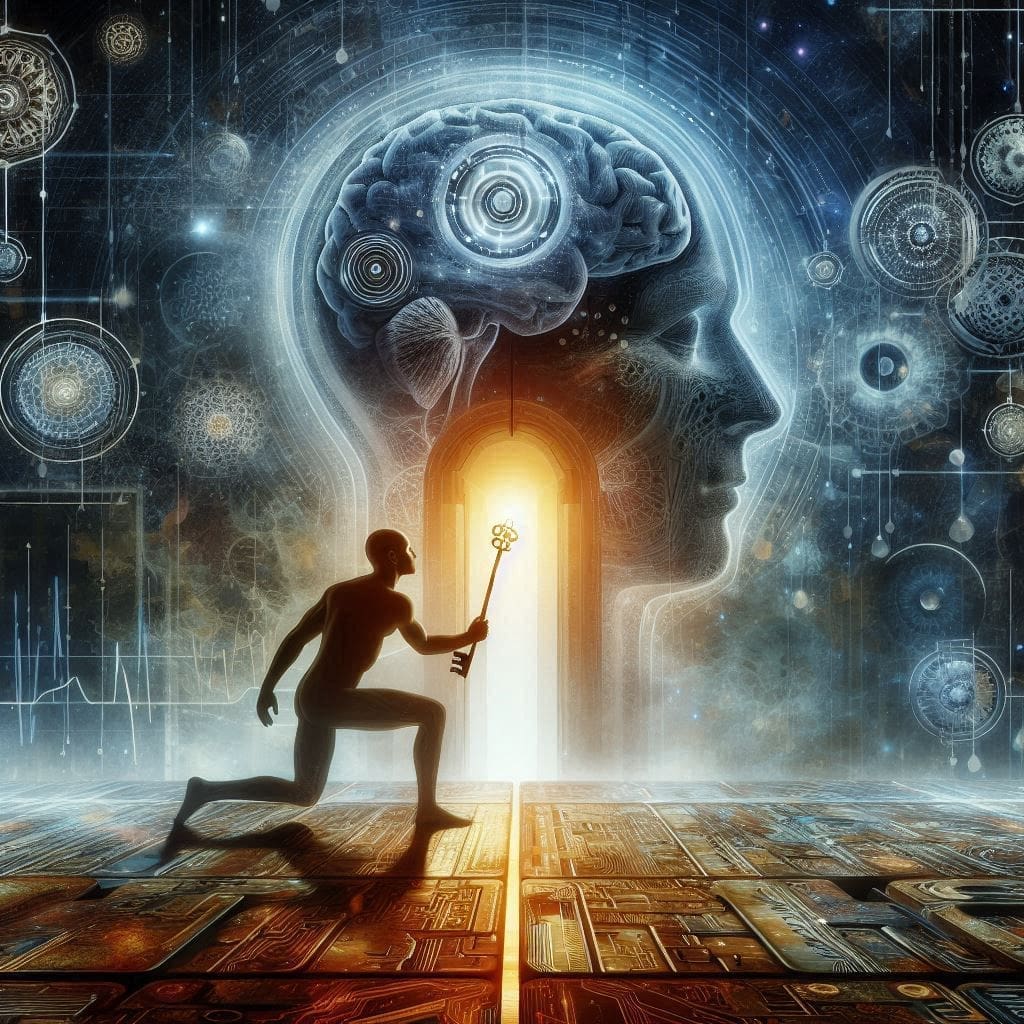
One of the key factors that determine whether a self-fulfilling prophecy will come true is our mindset. Those with a growth mindset are more likely to break free from negative beliefs and work towards changing their reality. On the other hand, those with a fixed mindset are more likely to succumb to negative beliefs and create a self-fulfilling prophecy that aligns with those beliefs.
Understanding the psychology of self-fulfilling prophecies can help us become more mindful of the beliefs we hold about ourselves and the world. By cultivating a positive mindset and challenging negative beliefs, we can break free from self-imposed limitations and create a more fulfilling and successful life.
In conclusion, the psychology of self-fulfilling prophecies teaches us that our beliefs can shape our reality. By being aware of the beliefs we hold and working towards creating positive expectations, we can harness the power of our mindset to achieve our goals and lead a more fulfilling life. Remember, what you think, you become. So why not choose to think positively and become the best version of yourself?
Share this:

You Might Also Enjoy Reading