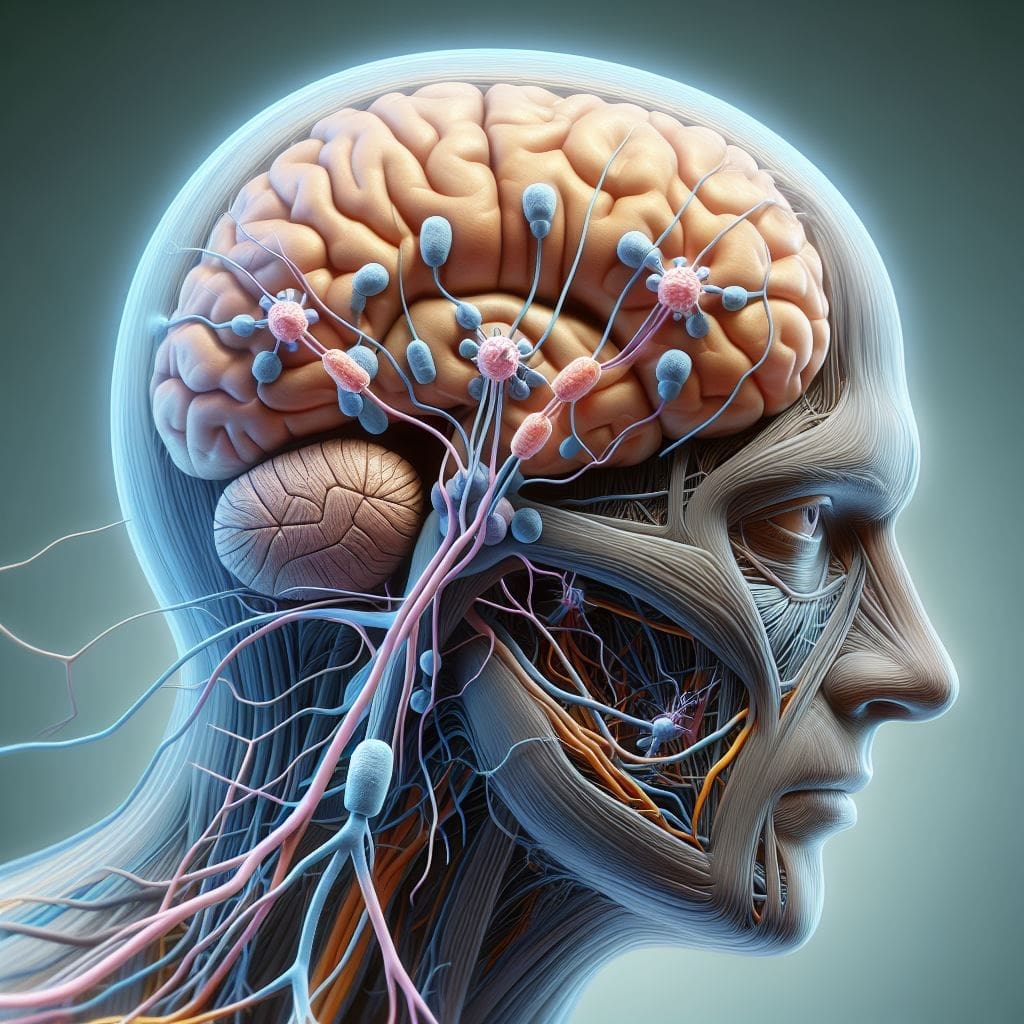


The ventromedial prefrontal cortex (vmPFC) is a crucial region of the brain involved in decision-making, emotional regulation, and social behaviour. Damage to this area can have serious implications for an individual’s ability to navigate the complexities of everyday life.
Impairment of the vmPFC can result from various factors, including traumatic brain injury, stroke, or neurodegenerative diseases such as frontotemporal dementia. When this region is damaged, individuals may experience difficulties in evaluating risks and rewards, regulating emotions, and understanding social cues.
One of the most notable effects of vmPFC impairment is a phenomenon known as “acquired sociopathy.” Individuals with damage to this region may display a lack of empathy, moral reasoning, and remorse for their actions. This can lead to antisocial behaviour, impulsivity, and a disregard for social norms.
In addition to changes in social behaviour, impairment of the vmPFC can also impact decision-making abilities. Individuals may struggle to weigh the potential outcomes of their choices, leading to poor judgement and impulsive decision-making. This can have far-reaching consequences in various aspects of their lives, from personal relationships to financial management.
Furthermore, damage to the vmPFC can hinder emotional regulation, leading to heightened emotional reactivity and difficulty in controlling one’s emotions. This can manifest as mood swings, irritability, and difficulty in managing stress. This can have a significant impact on an individual’s overall well-being and quality of life.
Treatment for impairment of the vmPFC is challenging, as this region of the brain is highly interconnected with other areas involved in cognition and emotion. However, cognitive-behavioral therapy, medication, and social support can help individuals cope with the behavioral and emotional changes associated with vmPFC damage.
In conclusion, impairment of the ventromedial prefrontal cortex can have profound effects on an individual’s social behaviour, decision-making abilities, and emotional regulation. Understanding the impact of vmPFC damage is crucial in providing support and intervention for those affected by this condition. Further research into the functioning of this region of the brain is essential for developing effective treatments and interventions for individuals with vmPFC impairments.
Share this:

You Might Also Enjoy Reading