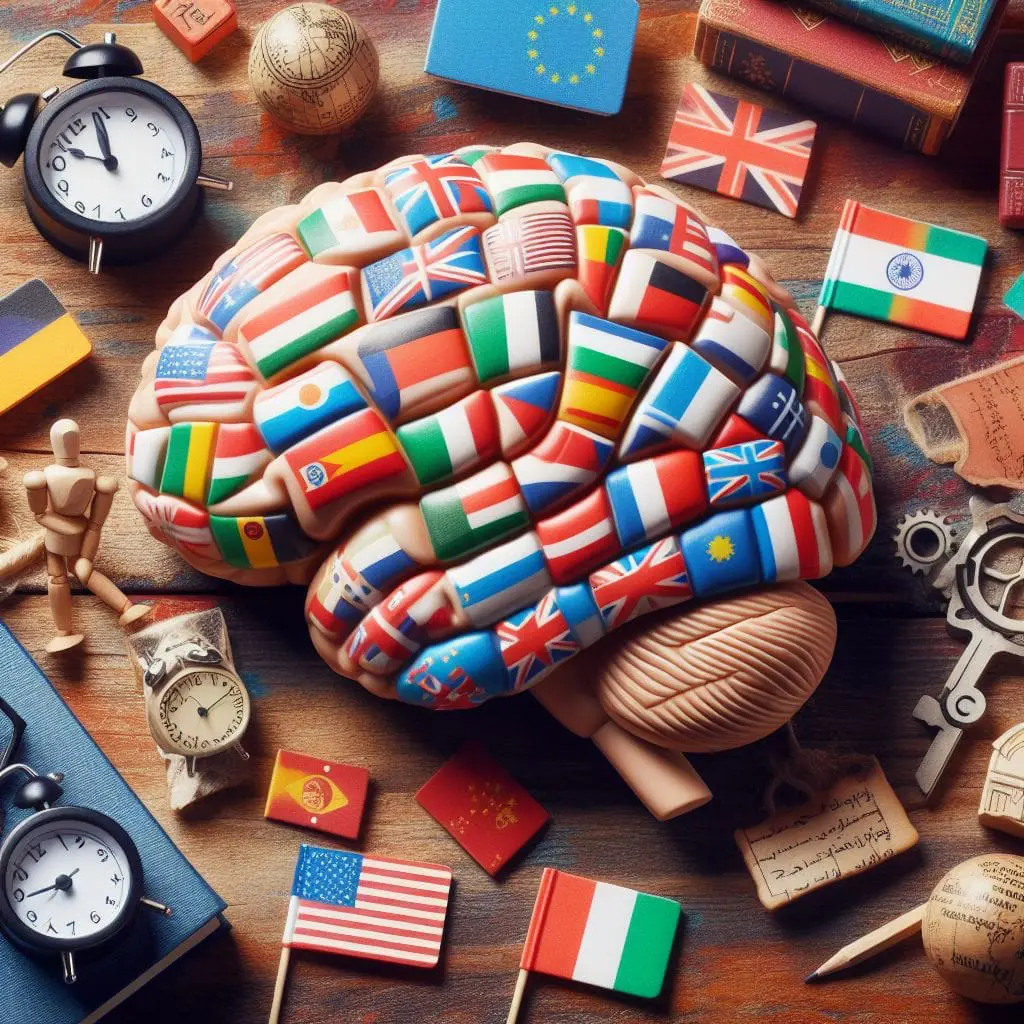

When we think about learning a new language, we often focus on the practical benefits such as being able to communicate with others, expanding our job opportunities, and enhancing our travel experiences. However, what many people don’t realise is that learning a new language can actually alter the way our brains function.
Studies have shown that learning a new language can have a profound impact on the structure and function of our brains. For example, research has found that bilingual individuals have a larger hippocampus, the area of the brain responsible for memory and learning, compared to monolinguals. This means that bilinguals may have better cognitive abilities and a reduced risk of developing neurodegenerative diseases such as Alzheimer’s.
Furthermore, learning a new language can also improve our ability to multitask and switch between tasks. Bilingual individuals are often better at processing information quickly and efficiently, as they have to constantly switch between two languages. This cognitive flexibility can help improve problem-solving skills and decision-making abilities.
In addition, learning a new language can also enhance our creativity. Studies have shown that bilingual individuals tend to think more creatively and are better at coming up with innovative solutions to problems. This is because learning a new language exposes us to different ways of thinking and expressing ideas, which can stimulate our creative thinking abilities.
Overall, learning a new language is not just about mastering grammar rules and vocabulary. It is about rewiring our brains, expanding our cognitive abilities, and enhancing our overall cognitive functioning. So the next time you are hesitant to start learning a new language, remember that it is not just a skill you are acquiring, but a whole new way of shaping your brain for the better. And who knows, it might just lead you to new and exciting opportunities you never thought possible.
Share this:

You Might Also Enjoy Reading