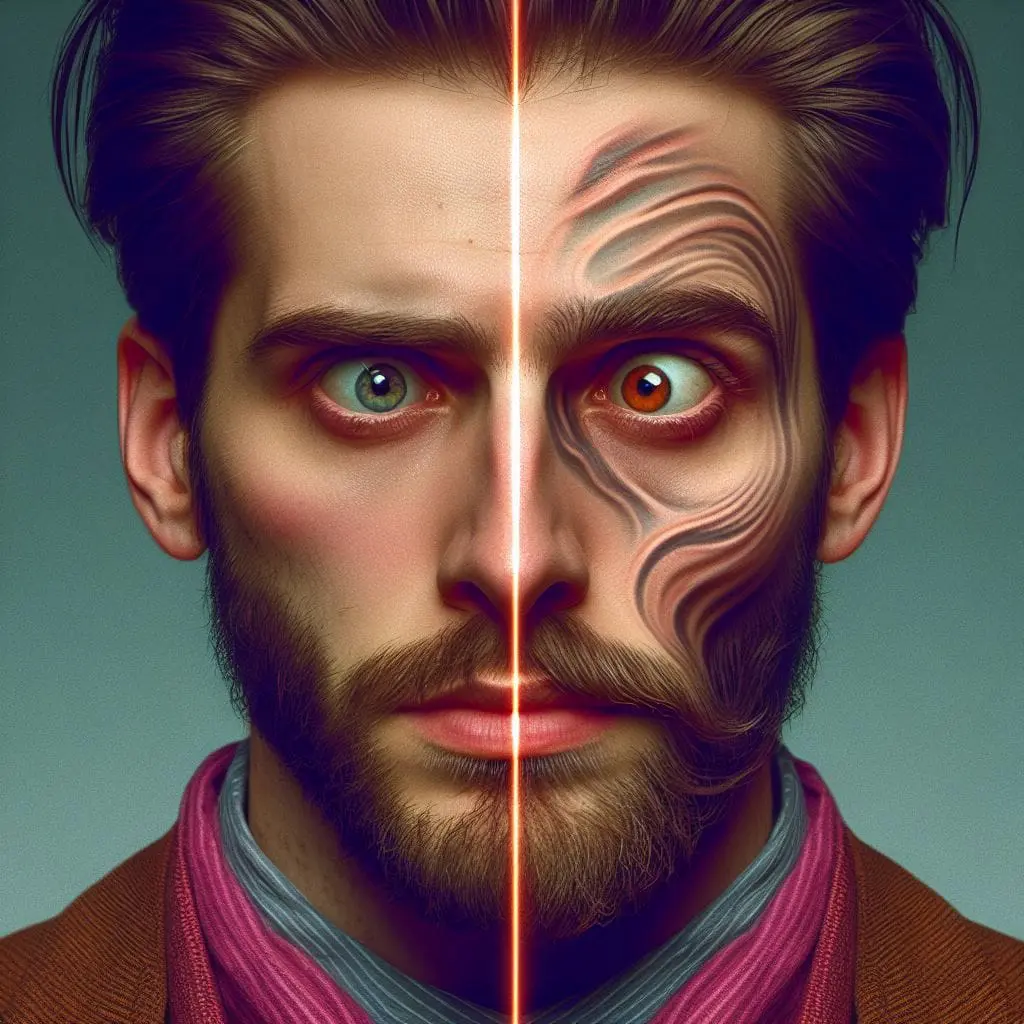

Personality disorders are complex mental health conditions that can greatly impact a person’s thoughts, emotions, and behaviour. Two of the most commonly discussed personality disorders are narcissism and schizoid personality disorder. While both disorders can have similar symptoms, they are actually quite different in their presentation and underlying causes.
Narcissism is characterised by a grandiose sense of self-importance, a constant need for admiration, and a lack of empathy for others. People with narcissistic personality disorder often believe they are superior to others and expect special treatment. They may be preoccupied with fantasies of unlimited success, power, or beauty, and tend to exaggerate their achievements and talents. Additionally, individuals with narcissism may have difficulty forming meaningful relationships and may struggle to maintain healthy boundaries with others.
Schizoid personality disorder, on the other hand, is characterised by a pattern of detachment from social relationships and a restricted range of emotional expression. People with schizoid personality disorder often prefer to be alone and may appear cold or indifferent to others. They may have few or no close relationships and may struggle to understand or express their emotions. Individuals with schizoid personality disorder may also have difficulty experiencing pleasure in activities and may have little interest in forming deep connections with others.
One key difference between narcissism and schizoid personality disorder is the individual’s relationship with others. While individuals with narcissistic personality disorder may seek out attention and admiration from others, those with schizoid personality disorder may actively avoid social interactions and prefer to be alone. Additionally, individuals with narcissism may have an inflated sense of self-worth, while those with schizoid personality disorder may struggle to connect with their own emotions and may lack a sense of self-identity.
Another important difference between the two disorders is the underlying cause. Narcissistic personality disorder is often thought to develop as a result of a combination of genetic, environmental, and biological factors. People with narcissism may have experienced trauma or neglect in childhood, leading to the development of maladaptive coping mechanisms. In contrast, schizoid personality disorder may be linked to a person’s temperament or early life experiences that have shaped their ability to connect with others and experience emotions in a healthy way.
In conclusion, while narcissism and schizoid personality disorder share some similarities in their symptoms, they are distinct disorders with different presentations and underlying causes. It is important for individuals struggling with these conditions to seek professional help from a mental health provider who can provide an accurate diagnosis and develop a personalised treatment plan. By understanding the differences between narcissism and schizoid personality disorder, individuals can take the necessary steps towards healing and improving their overall well-being.
Share this:

You Might Also Enjoy Reading