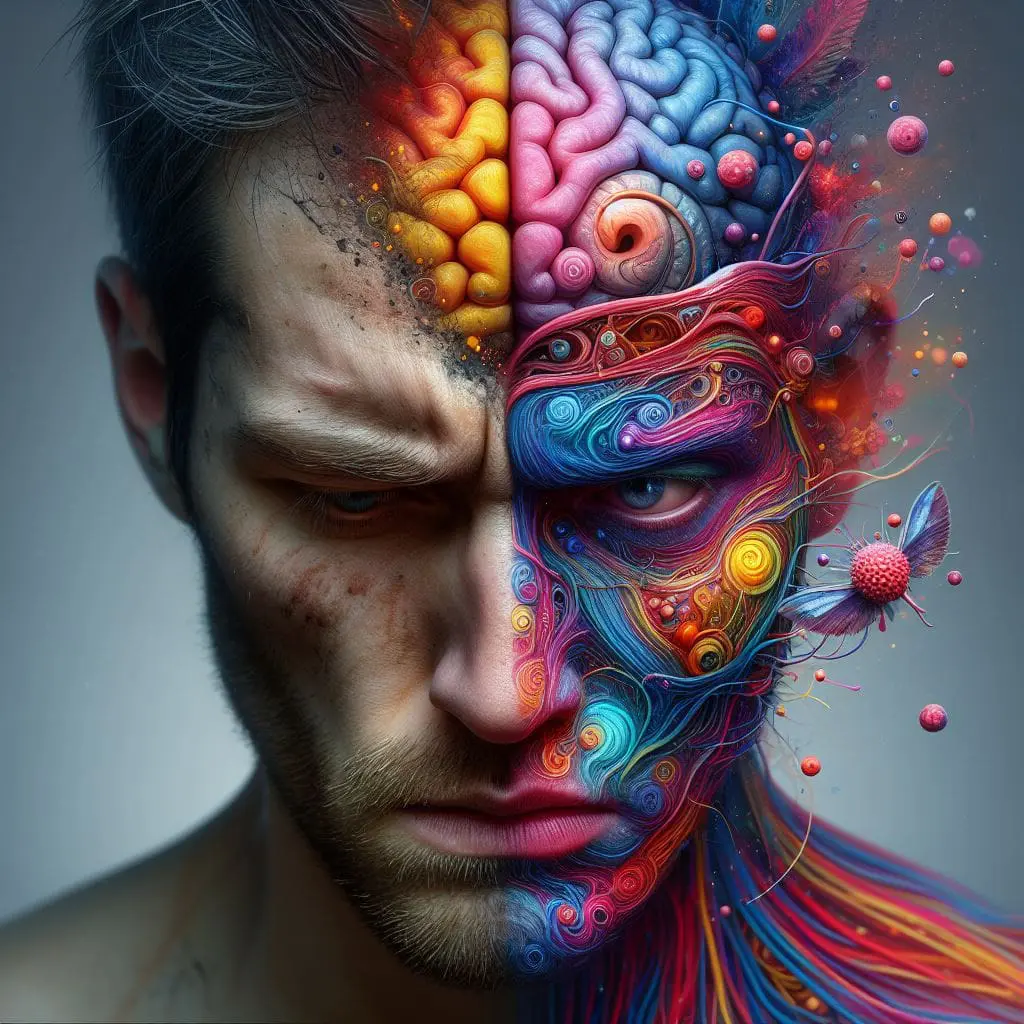

Emotions play a vital role in shaping our perceptions, behaviours, and mental health. Our emotional experiences, whether positive or negative, have a profound impact on how we view the world, interact with others, and cope with stress and challenges.
One way that emotional experiences shape our perceptions is through the process of emotional regulation. When we experience strong emotions, our brains are flooded with chemicals like dopamine and serotonin that can influence how we see and interpret the world around us. For example, someone who is feeling anxious may perceive a neutral situation as threatening, while someone who is feeling happy may see the same situation as enjoyable.
Our emotional experiences also influence our behaviours. When we feel sad or angry, we may be more likely to lash out at others or engage in self-destructive behaviours. On the other hand, when we feel happy or content, we are more likely to engage in healthy behaviours like exercise and socialising. Additionally, our emotions can impact our decision-making processes, leading us to make choices that may not always be in our best interest.
Furthermore, our emotional experiences can have a significant impact on our mental health. Chronic stress, for example, can lead to a host of mental health issues, including anxiety and depression. Traumatic experiences can also have a lasting impact on our mental health, contributing to conditions like post-traumatic stress disorder (PTSD). On the other hand, positive emotional experiences can boost our mental health and help us build resilience in the face of adversity.
In order to effectively manage our emotions and their impact on our perceptions, behaviours, and mental health, it is important to develop healthy coping strategies. This may involve seeking professional help, practising mindfulness and relaxation techniques, engaging in physical activity, and seeking social support.
In conclusion, it is clear that emotional experiences play a significant role in shaping our perceptions, behaviours, and mental health. By recognising the impact of our emotions and developing healthy coping strategies, we can navigate life’s challenges with greater resilience and well-being.
Share this:

You Might Also Enjoy Reading