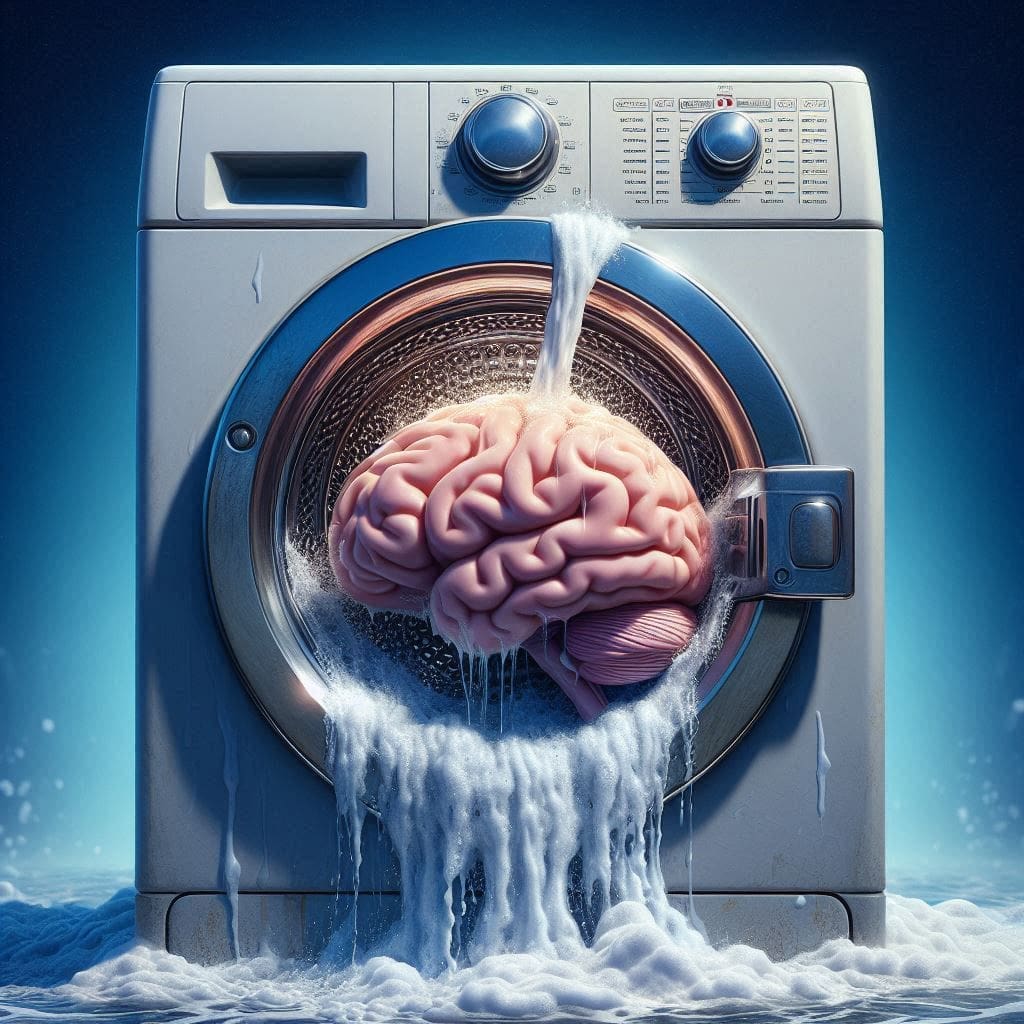


The human brain, with its intricate network of neurons and chemical messengers, is a fascinating and enigmatic entity. When functioning optimally, it allows us to process information, experience emotions, and carry out various cognitive processes effortlessly. However, some individuals may experience abnormal brain chemistry, which can lead to the development of mental health disorders. In this blog post, we delve into the intricacies of abnormal brain chemistry and its impact on mental well-being.
Understanding Brain Chemistry
To comprehend abnormal brain chemistry, we must grasp the concept of normal brain chemistry. The brain relies on a delicate balance of neurotransmitters such as serotonin, dopamine, and norepinephrine, among many others. These chemicals play crucial roles in regulating mood, motivation, cognition, and other essential functions. When this balance is disrupted, it can result in a wide range of mental health disorders.
The Role of Genetics and Environment
Abnormal brain chemistry can have both genetic and environmental origins. Genetic factors can influence the production, release, and reuptake of neurotransmitters, thus affecting brain chemistry. However, it is essential to understand that genetics alone do not determine mental health outcomes. Environmental factors, like upbringing, stress, trauma, and substance abuse, can also disrupt brain chemistry, exacerbating the risk of mental health disorders.
Impact on Mental Health
Abnormal brain chemistry is often associated with various mental health disorders, including depression, anxiety, bipolar disorder, schizophrenia, and attention-deficit hyperactivity disorder (ADHD). For instance, individuals with depression typically exhibit decreased levels of serotonin and norepinephrine in their brains. These imbalances can influence mood regulation, leading to persistent feelings of sadness, hopelessness, and lethargy.
Additionally, abnormal brain chemistry can affect cognitive functioning, memory, and decision-making abilities. Neurotransmitter imbalances may impair an individual’s capacity to concentrate, plan, and process information effectively. This can manifest as attention deficits in conditions like ADHD or cognitive dysfunction in disorders such as schizophrenia.
Seeking Effective Treatments
Understanding the relationship between abnormal brain chemistry and mental health disorders is crucial for effective treatment strategies. Traditional treatment options often include medication, therapy, or a combination of both. Medications, such as selective serotonin reuptake inhibitors (SSRIs) and mood stabilisers, aim to restore the balance of neurotransmitters in the brain. Therapeutic modalities, like cognitive-behavioural therapy (CBT) or psychotherapy, provide individuals with coping mechanisms and tools to manage their symptoms effectively.
Moreover, emerging research is shedding light on the potential of neuromodulation techniques, such as transcranial magnetic stimulation (TMS) and deep brain stimulation (DBS), in treating abnormal brain chemistry. These innovative therapies aim to directly modify and regulate brain activity, providing promising alternatives for individuals who are unresponsive to standard treatments.
Conclusion
Abnormal brain chemistry is a complex phenomenon afflicting millions worldwide. While its origins may lie in genetic predispositions or environmental factors, understanding the intricate workings of the brain is crucial for effective treatment and support. By continuing to unravel the complexities of abnormal brain chemistry, we pave the way for improved interventions, destigmatisation, and better mental health outcomes for those affected. Ultimately, a deeper comprehension of this topic can foster empathy, compassion, and a more inclusive approach to mental health care.
Share this:

You Might Also Enjoy Reading