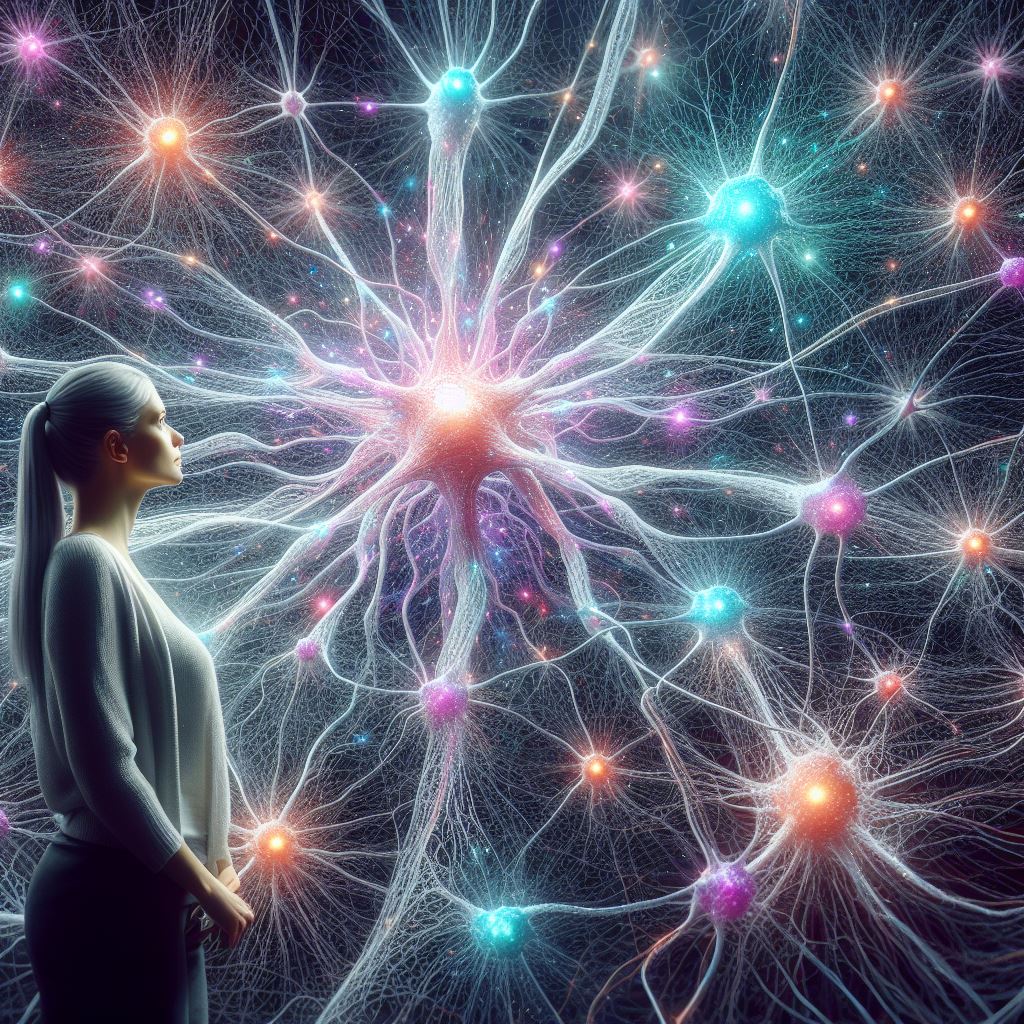

Our emotions play a significant role in shaping our experiences and interactions with the world around us. From the highs of joy and excitement to the lows of sadness and anxiety, emotions have a profound impact on our mental well-being. However, have you ever wondered what lies beneath these emotional responses? The answer lies in the delicate balance of neurotransmitters in our brains. In this blog post, we will explore the intricate relationship between neurotransmitter balance and emotional regulation, shedding light on their crucial role in maintaining optimal mental health.
Understanding Neurotransmitters
Neurotransmitters are chemical messengers that facilitate communication between nerve cells in our brain, known as neurons. These chemical messengers are responsible for transmitting signals across synapses, the junctions between neurons. There are several neurotransmitters involved in regulating emotions, including serotonin, dopamine, norepinephrine, and gamma-aminobutyric acid (GABA), among others.
Importance of Neurotransmitter Balance
Neurotransmitter balance is essential for maintaining emotional stability and overall mental health. When these chemical messengers are in equilibrium, they help regulate mood, prevent excessive anxiety or depression, and promote a general sense of well-being. However, imbalances in neurotransmitter levels can lead to emotional dysregulation, causing disturbances in mental health and leading to conditions such as depression, anxiety disorders, bipolar disorder, and more.
Serotonin: The “Feel-Good” Neurotransmitter
Serotonin is often referred to as the “feel-good” neurotransmitter due to its role in regulating mood, sleep, and appetite. Low serotonin levels are commonly associated with depression, while medications such as selective serotonin reuptake inhibitors (SSRIs) are used to increase serotonin availability and alleviate symptoms of depression.
Dopamine: The Reward and Pleasure Neurotransmitter
Dopamine plays a crucial role in the brain’s reward and motivation system. It is responsible for the feelings of pleasure and reward we experience in response to various stimuli, such as accomplishing a goal or engaging in enjoyable activities. Imbalances in dopamine levels are associated with conditions such as addiction, ADHD, and Parkinson’s disease.
Norepinephrine: The Fight-or-Flight Neurotransmitter
Norepinephrine helps regulate the body’s response to stress and is involved in the fight-or-flight response. It boosts alertness, focus, and arousal. An imbalance in norepinephrine levels can contribute to anxiety disorders and conditions like post-traumatic stress disorder (PTSD).
GABA: The Calming Neurotransmitter
GABA is an inhibitory neurotransmitter that helps calm and relax the mind. It counters the effects of excitatory neurotransmitters, promoting feelings of tranquillity and reducing anxiety. Reduced GABA levels are linked to anxiety disorders and may lead to an inability to regulate emotions effectively.
Tips for Maintaining Neurotransmitter Balance
1. Engage in regular exercise and physical activity, as it boosts the production of endorphins and can help increase levels of serotonin and dopamine.
2. Make healthy dietary choices by consuming nutrient-rich foods that provide the necessary building blocks for neurotransmitter synthesis.
3. Prioritise quality sleep, as lack of sleep can disrupt neurotransmitter levels and lead to emotional instability.
4. Consider stress-management techniques, such as meditation, deep breathing, or mindfulness, to help regulate norepinephrine and cortisol levels.
5. Explore therapy and counselling options, as professional guidance can assist in identifying and addressing any neurotransmitter imbalances or emotional regulation difficulties.
Conclusion
Achieving a harmonious balance of neurotransmitters is essential for emotional regulation and overall mental well-being. By understanding how neurotransmitters like serotonin, dopamine, norepinephrine, and GABA influence our emotions, we can take proactive steps to maintain balance. By prioritising lifestyle choices, seeking appropriate interventions, and adopting stress-reducing practices, we can enhance our emotional regulation capacities and experience a more stable and healthier emotional state. Remember, investing in our mental health is a lifelong endeavour that reaps invaluable rewards.
Share this:

You Might Also Enjoy Reading