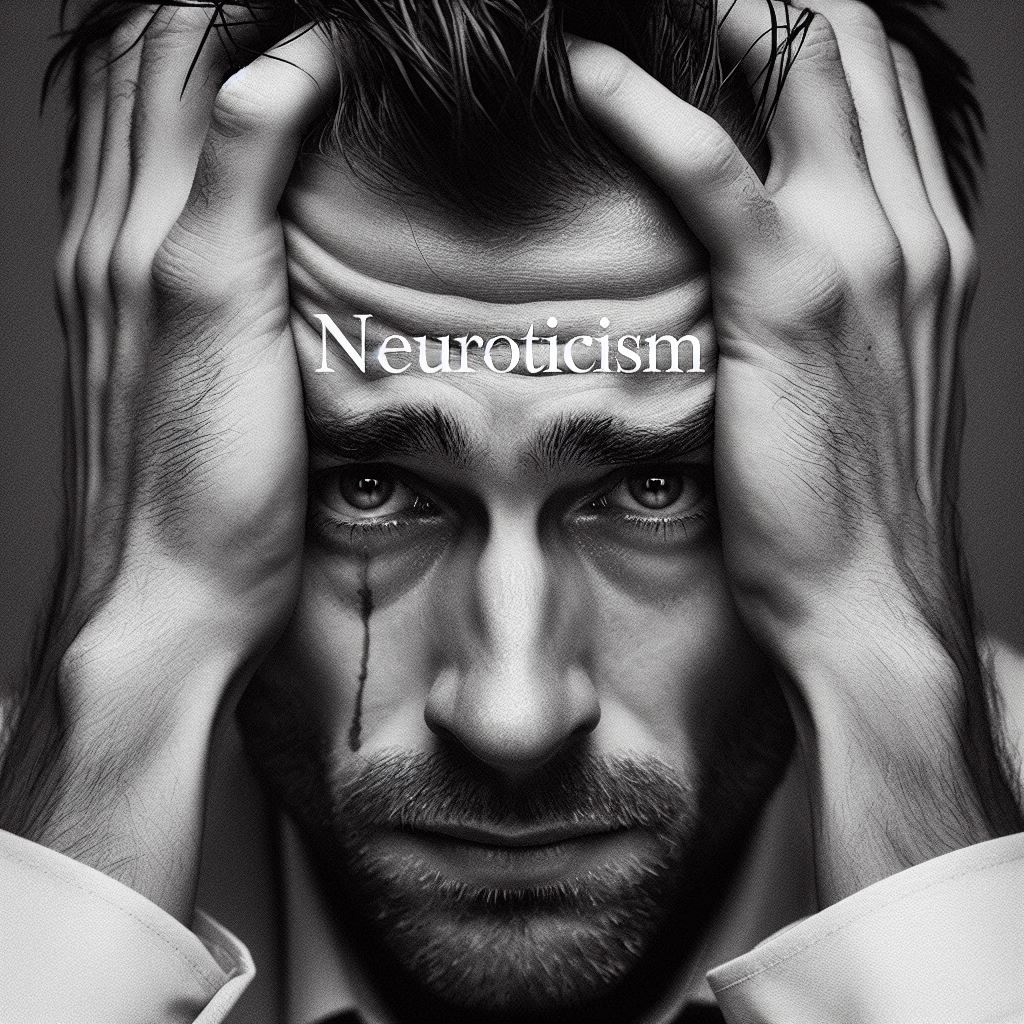
Discrimination is an unfortunate reality that affects millions of individuals worldwide. While much attention has been given to the immediate social and legal implications of discrimination, its profound psychological effects are too often overlooked. Discrimination doesn’t just leave external scars; it affects a person’s mental and emotional well-being. In this blog post, we will explore the various psychological consequences that discrimination can have on individuals, highlighting the need for understanding, empathy, and collective action.
1. Self-esteem and self-worth
Discrimination can profoundly impact an individual’s self-esteem and self-worth. Constant messages of being “less than” or “inferior” due to race, gender, sexual orientation, or any other characteristic can erode one’s sense of identity and undermine personal confidence. The perpetual exposure to discrimination can lead to feelings of unworthiness, social isolation, and even self-hatred.
2. Depression and anxiety
The experience of discrimination often triggers increased levels of depression and anxiety. The psychological stress imposed on someone being discriminated against, combined with the fear of future encounters, creates a constant state of heightened arousal. This prolonged stress can lead to chronic anxiety and, in some cases, clinical depression. Discrimination’s impact on mental health is a crucial factor to consider when addressing mental well-being on both an individual and societal level.
3. Post-traumatic stress disorder (PTSD)
In severe cases, discrimination can be traumatic enough to induce post-traumatic stress disorder (PTSD). Individuals subjected to hateful acts, physical violence, or even microaggressions may develop symptoms typically associated with trauma. Flashbacks, hypervigilance, and avoidance behaviours are some PTSD symptoms that can significantly impair daily functioning and quality of life.
4. Cognitive functioning and memory
Discrimination can also affect cognitive functioning and memory. Studies show that individuals subjected to discrimination may experience difficulties concentrating, processing information, and recalling memories. The emotional strain of discrimination can impede an individual’s ability to focus and stay mentally sharp, affecting academic and professional performance.
5. Reduced physical health
The psychological effects of discrimination can also manifest in physical health issues. Studies have shown that individuals who experience discrimination frequently have a higher risk of developing chronic illnesses, including heart disease, diabetes, and hypertension. The constant stress and anxiety caused by discrimination can weaken the immune system, increase inflammation, and impair overall well-being.
Conclusion
Discrimination inflicts a deep, psychological burden on individuals that extends far beyond the realms of social injustice. Recognising and understanding the psychological effects of discrimination is essential for addressing its long-term consequences and working towards a more inclusive society.
To combat discrimination effectively, we must strive for empathy, education, and policy changes. Promoting diversity, inclusivity, and respect in schools, workplaces, and communities can create environments that foster psychological well-being for everyone. By combating discrimination at its core, we can pave the way for a more compassionate and equal society, where the scars of discrimination are healed and everyone can thrive.
Share this:

You Might Also Enjoy Reading