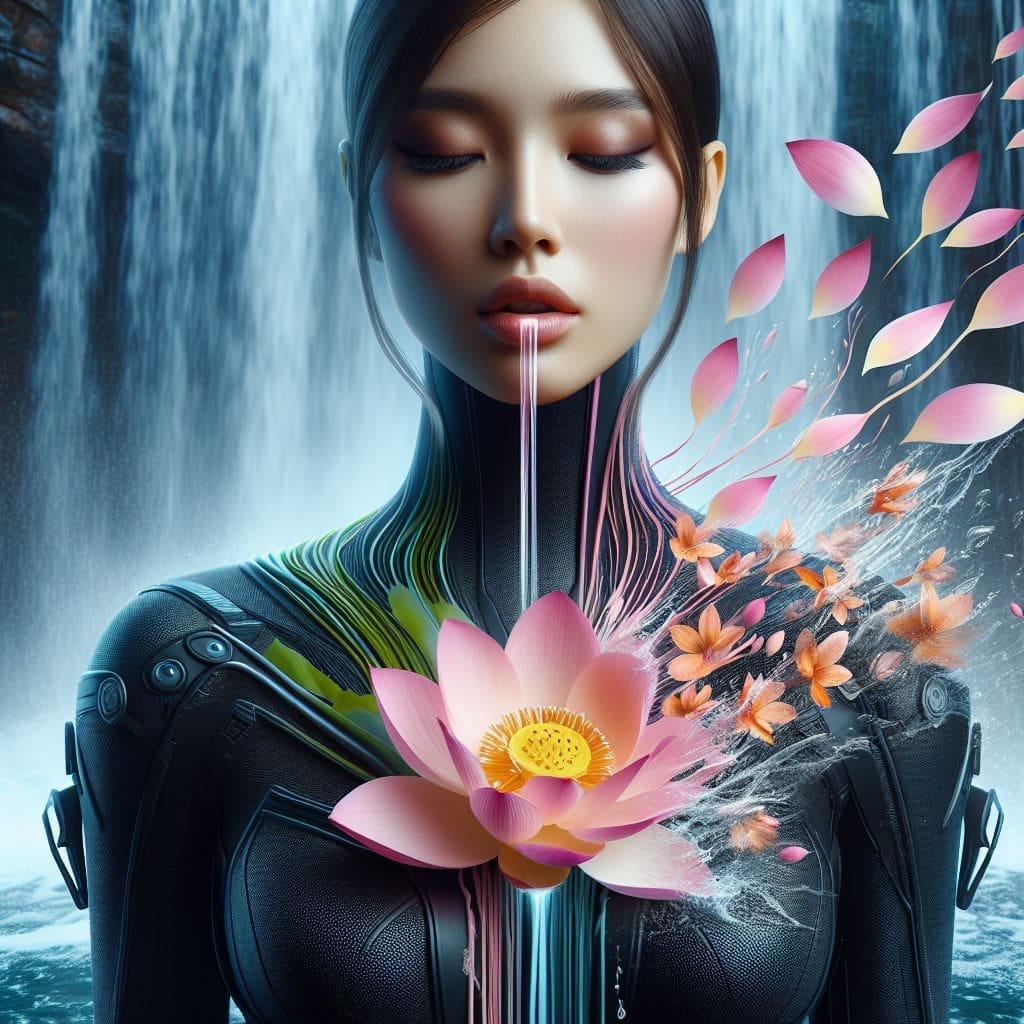


Emotions are an inherent part of being human. They provide colour, depth, and vitality to our lives, allowing us to experience joy, sadness, love, and anger, among others. However, expressing our emotions appropriately can be challenging for many of us. Uncontrolled outbursts can lead to misunderstandings or hurt others, while suppressing emotions may result in internal turmoil and emotional imbalance. So, how can we strike the right balance and ensure we express our emotions in a healthy and effective way? In this blog post, we will explore some key strategies for appropriately expressing emotions.
1. Recognise and label your emotions
The first step to appropriately expressing emotions is developing self-awareness. Identifying and acknowledging the specific emotions you are experiencing will help you understand yourself better. Give names to your emotions, such as happiness, frustration, or disappointment. This self-labelling process can provide a foundation for healthier emotional expression.
2. Understand the triggers
Identify the triggers that cause particular emotions to surface. Once you recognise the circumstances or situations that ignite strong feelings, you’ll have a better chance of managing and expressing them more constructively. Understanding your triggers will enable you to anticipate emotional responses and prepare yourself to react in a healthier and calmer manner.
3. Create a safe space for emotional expression
Build an environment where both you and others feel comfortable expressing emotions openly and honestly. Encourage open dialogue and active listening, fostering a foundation of empathy and understanding. By cultivating a safe space, you can create a supportive network that allows for the appropriate expression of emotions without fearing judgement or criticism.
4. Practice active listening
When listening to others express their emotions, pay attention to their words, tone, and non-verbal cues. Offering your undivided attention demonstrates respect and shows that you value their emotions and perspective. By actively listening, you can gain a deeper understanding of their feelings, fostering better communication and empathy.
5. Choose appropriate communication channels
Consider the appropriate channel for expressing emotions based on the context. Sometimes it may be more effective to communicate face-to-face, while other situations warrant written communication (e.g., email or letter) to express emotions thoughtfully. Reflect on the situation, the impact your emotions may have, and choose the method that allows for the clearest understanding while minimising any potential negative consequences.
6. Use “I” statements
When expressing your own emotions, focus on using “I” statements instead of “you” statements. For instance, say “I feel frustrated when…” instead of “You always make me frustrated when…”. By using “I” statements, you take ownership of your emotions and avoid blaming or attacking others, which can lead to defensiveness and unproductive conflicts.
7. Seek constructive outlets for emotional expression
Channel your emotions into positive outlets such as writing, painting, exercise, or speaking with a trusted friend or therapist. Engaging in activities that allow for emotional release can prevent emotions from building up or turning into destructive behaviours. Finding healthy outlets will provide you with a sense of relief and clarity.
Conclusion
Appropriately expressing emotions is an essential aspect of healthy communication and personal growth. By recognising and labelling our emotions, understanding triggers, fostering a safe space for expression, practising active listening, choosing communication channels wisely, utilising “I” statements, and seeking constructive outlets, we can achieve a more harmonious emotional expression. Remember, embracing our emotions and expressing them appropriately empowers us to deepen our connections, enhance interpersonal relationships, and navigate life’s emotional challenges with resilience and grace.
Share this:

You Might Also Enjoy Reading