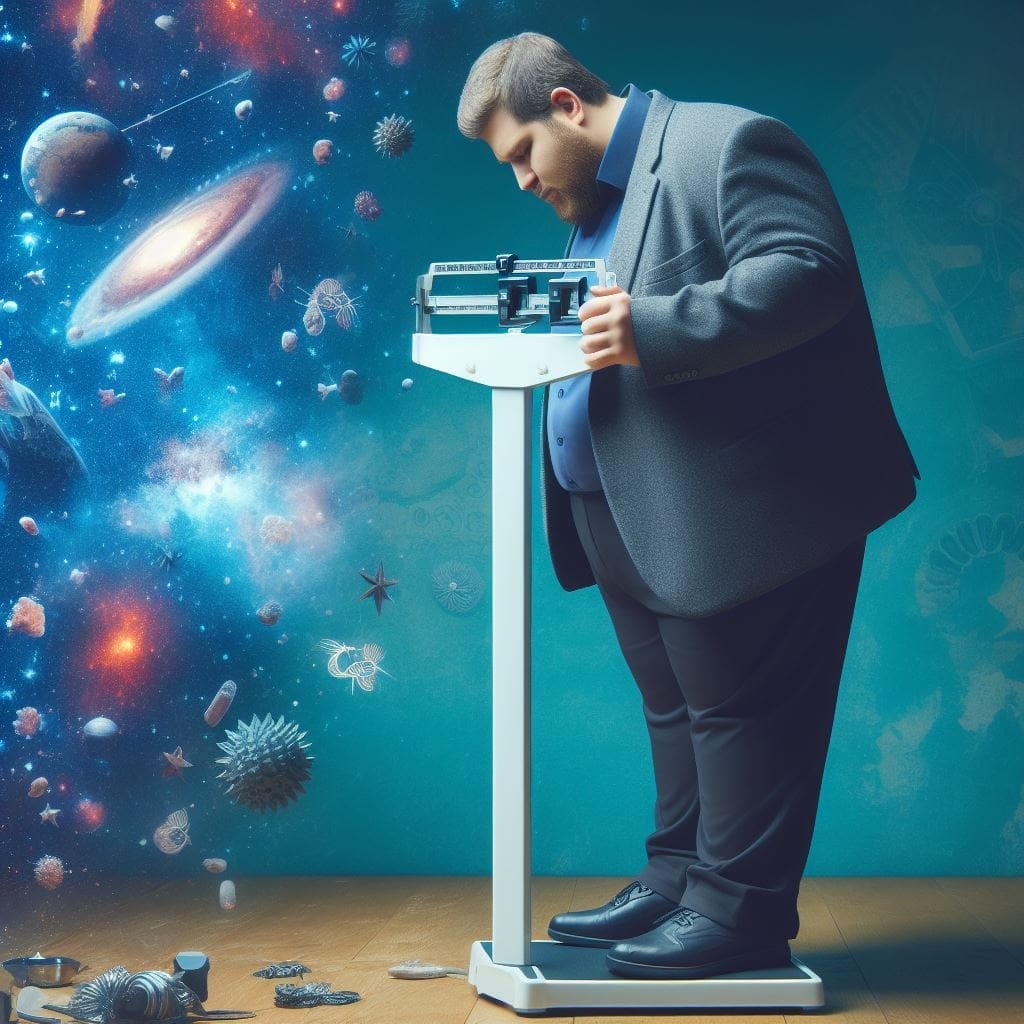


Narcissism, a term derived from the Greek myth of Narcissus, has become a widely discussed personality trait in recent years. While many people possess some degree of narcissistic tendencies, there is a significant difference between normal narcissism and its pathological counterpart. Understanding these distinctions is crucial not only for self-awareness but also for fostering healthier relationships, whether it be in personal or professional spheres.
Normal Narcissism
Normal narcissism refers to a healthy level of self-interest and self-focus that plays an essential role in our overall well-being. Individuals with normal narcissism may possess qualities such as self-confidence, assertiveness, and an ability to maintain healthy boundaries. These traits enable them to navigate life’s challenges with resilience and adaptability.
Healthy narcissism allows individuals to appreciate their own self-worth, prioritise their needs and desires without disregarding those of others. It provides a sense of pride in one’s accomplishments and a motivation to strive for personal growth. Ultimately, normal narcissism helps individuals maintain a balanced sense of self-esteem without excessively prioritising themselves over others.
Pathological Narcissism
On the other side of the spectrum lies pathological narcissism, which characterises individuals with an extreme and distorted self-centredness. These individuals exhibit an insatiable desire for validation, an impaired ability to empathise with others, and a sense of entitlement. Pathological narcissism is categorised as a personality disorder known as narcissistic personality disorder (NPD).
People with NPD often display arrogant behaviours, have an intense need for admiration, lack empathy, and experience difficulties managing criticism or setbacks. Their inflated sense of superiority and grandiosity can lead to exploitative or manipulative behaviour in relationships, as they prioritise their own needs without considering the welfare of others. Pathological narcissism can impair personal and professional relationships and hinder an individual’s emotional well-being and personal growth.
Recognising the Distinctions
While it’s essential to understand the differences between normal and pathological narcissism, it’s equally crucial to realise that these are not absolute categories. Narcissism exists on a broad spectrum, and many individuals may exhibit occasional narcissistic tendencies without qualifying for a diagnosis of NPD. It’s only when these traits become rigid, pervasive, and detrimental to the person’s life and the lives of those around them that it crosses into pathological narcissism.
Seeking Balance and Growth
For many individuals, recognising and addressing their narcissistic tendencies can be a valuable opportunity for personal growth and improvement. Awareness is the first step towards developing healthier relationship dynamics and increasing self-awareness. Engaging in introspection, practising empathy, and cultivating humility are effective ways to counterbalance narcissistic tendencies.
Professionals, such as therapists or counsellors, can provide guidance and support for individuals struggling with pathological narcissism. They can help individuals explore their behaviours and build healthier coping mechanisms, promoting emotional growth, and fostering more positive relationships.
Conclusion
Differentiating between normal and pathological narcissism is crucial in navigating complex interpersonal dynamics. Recognising our own narcissistic tendencies and learning how to manage them can have profound effects on our well-being and relationships. By fostering self-awareness and engaging in personal growth, we can strive towards a healthier balance, becoming more empathetic, compassionate, and ultimately more fulfilled individuals.
Share this:

You Might Also Enjoy Reading