
Psychodynamic theory is a psychological perspective that focuses on the unconscious mind and how its influence shapes human behaviour. Developed by Sigmund Freud, this theory delves into the hidden motivations and conflicts that may drive our actions. While psychodynamic theory can be applied to various aspects of human life, including our relationships, dreams, and emotions, have you ever wondered what it has to say about tattoos?
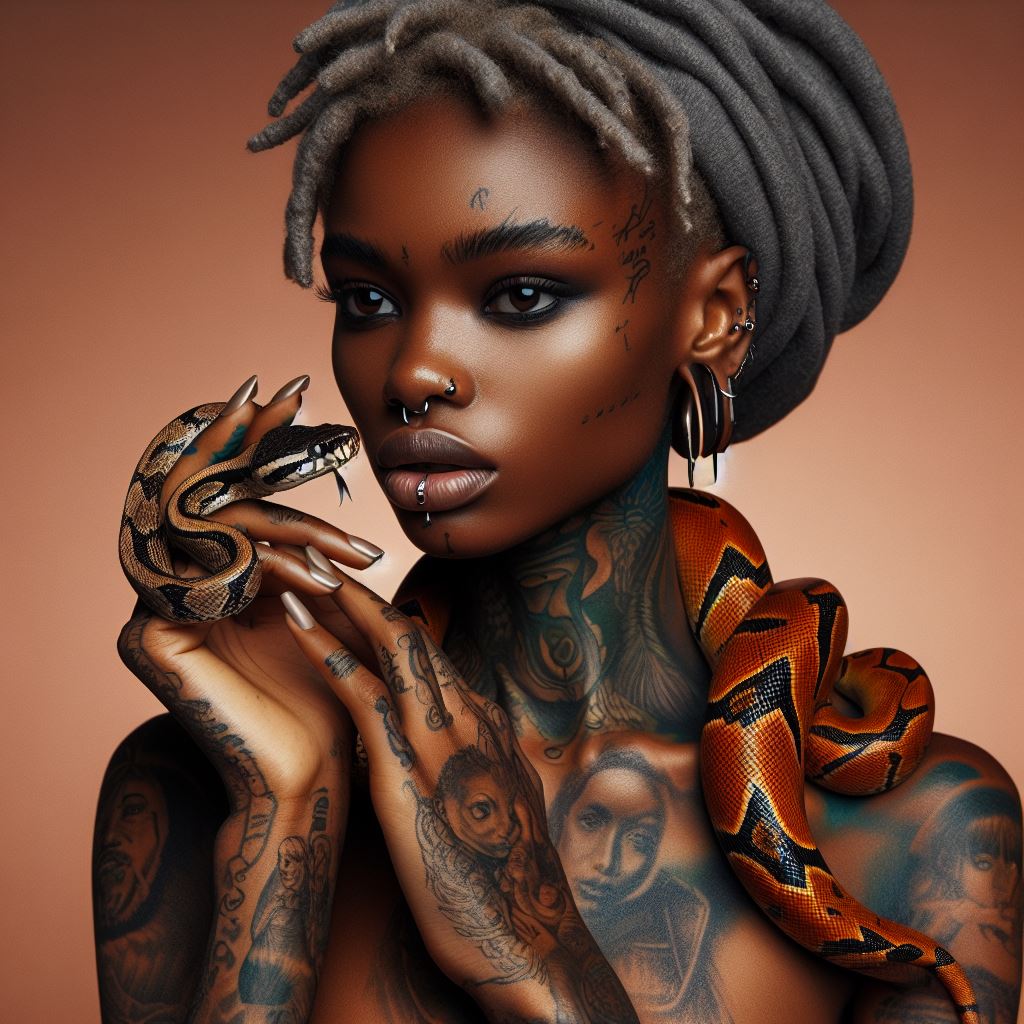
Tattoos have become increasingly popular over the years, with more and more people adorning their bodies with inked designs. From small meaningful symbols to large intricate pieces, tattoos have become a form of self-expression and art for many individuals. But what leads someone to get a tattoo? And what does psychodynamic theory have to say about this practice?
According to psychodynamic theory, our unconscious mind influences various aspects of our lives, including the choices we make and the actions we take. Tattoos, being a permanent alteration of our bodies, can be seen as a form of self-expression that manifests the unconscious desires and conflicts we may have.
One of the key concepts of psychodynamic theory is the idea of symbols and their hidden meanings. Symbols, in this context, can represent deeper unconscious thoughts and emotions. When applied to tattoos, they can be seen as a visual representation of the individual’s inner conflicts, desires, or aspirations. For example, a person who chooses a butterfly tattoo may be expressing their desire for transformation or freedom.
In addition to symbols, psychodynamic theory also emphasises the importance of the individual’s early life experiences and the impact they have on their adult behaviours. According to this theory, the unconscious mind holds onto unresolved conflicts or traumas from childhood. The decision to get a tattoo could be a way for an individual to symbolically transform or heal from these past experiences.
Furthermore, psychodynamic theory considers the concept of the ego, the part of our personality that mediates the impulses of the id (our basic desires) and the superego (our conscience). Tattoos can be viewed as a way for individuals to assert their identity or rebel against societal norms. It may represent an act of self-empowerment or a means to engage in a process of individuation.
However, it is important to note that psychodynamic theory is just one perspective on tattoos, and it may not fully capture the diversity of reasons people choose to get inked. People get tattoos for a variety of personal, cultural, and artistic reasons, and it is crucial to respect individual choices without overgeneralising or assuming hidden meanings.
In conclusion, psychodynamic theory provides an interesting lens through which we can understand the motivations behind getting tattoos. From the symbolism they represent to the unconscious desires they reveal, tattoos can be seen as a form of self-expression deeply rooted in our psyche. While this theory offers some insight, it is essential to recognise that getting a tattoo is a personal decision, and different people may have varying reasons for choosing to ink their bodies.
Share this:

You Might Also Enjoy Reading