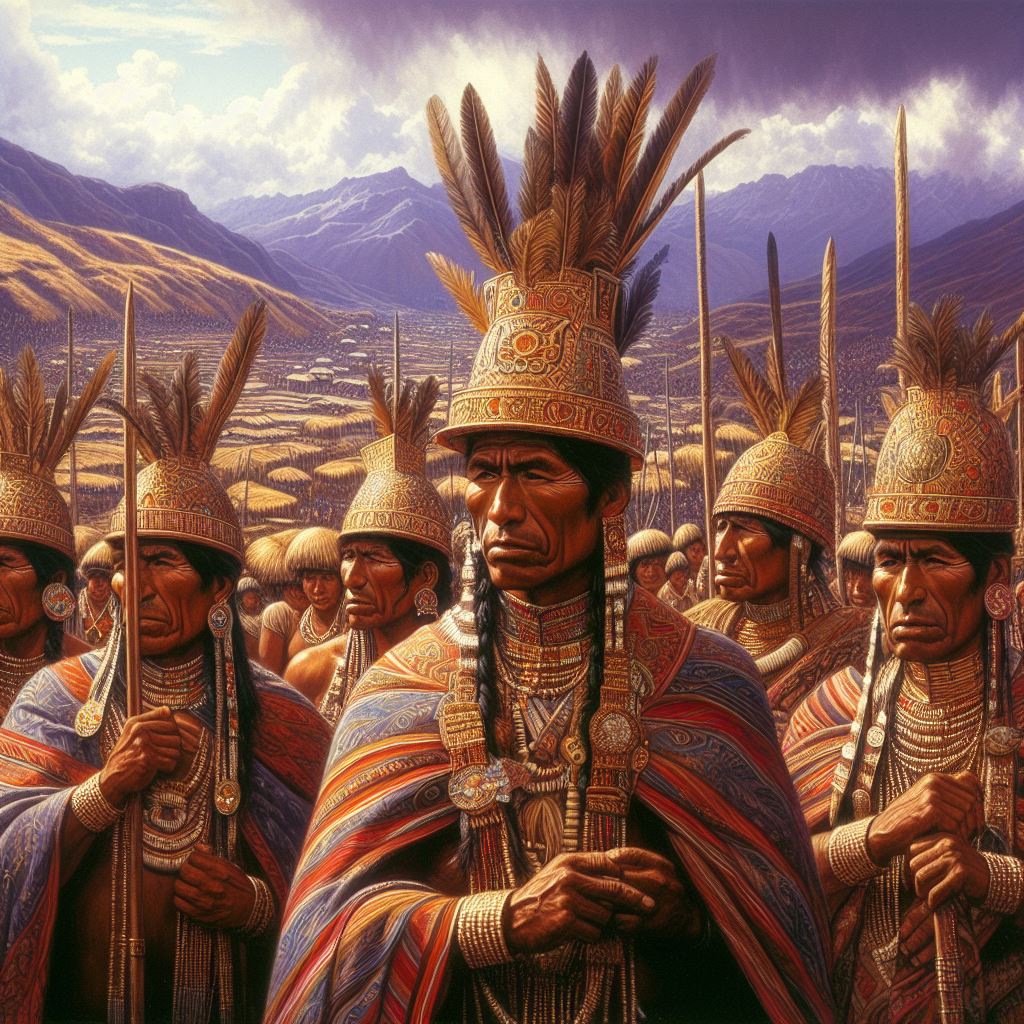

Psychology, as a field, has long been dominated by Western theories and concepts. However, the growing recognition of the importance of cultural diversity has given rise to a distinct branch known as Indigenous Psychology. Indigenous Psychology aims to understand and appreciate the unique perspectives, values, and wisdom of indigenous cultures and communities in the field of mental health. In this blog post, we explore the essence and significance of Indigenous Psychology in promoting inclusivity and meaningful dialogue in psychological research and practice.
Honouring Cultural Diversity
Indigenous Psychology acknowledges that mental health is deeply intertwined with one’s cultural, historical, and social experiences. It recognises that conventional Western frameworks may not fully capture the rich tapestry of human emotions and well-being across diverse cultural contexts. By prioritising the voices and narratives of indigenous communities, this branch of psychology seeks to dismantle the cultural biases that have hindered holistic and inclusive psychological research.
Unleashing Indigenous Knowledge and Wisdom
Indigenous cultures possess invaluable knowledge and age-old wisdom passed down through generations. These teachings carry profound insights into human behaviour, resilience, healing practices, and community dynamics. Unfortunately, this indigenous knowledge has often been overshadowed or dismissed by mainstream psychology. Indigenous Psychology seeks to bridge this gap, working collaboratively with indigenous communities to acknowledge, understand, and integrate their wisdom into the broader field of mental health.
An Emphasis on Community and Connection
Indigenous Psychology places community and interconnectedness at the core of mental health. Indigenous communities have traditionally upheld a collective responsibility for the well-being of their members, placing strong emphasis on communal support systems. This perspective contrasts with the Western focus on individual pathology and treatment. By incorporating the strength-based approaches of indigenous cultures, psychology can benefit from a more holistic understanding of mental health, considering social and environmental influences alongside individual factors.
Cultural Healing and Intergenerational Trauma
Indigenous communities have frequently experienced historical trauma, colonisation, and forced assimilation, resulting in significant intergenerational trauma. Indigenous Psychology acknowledges the lasting impact of such experiences and seeks to address them through culturally sensitive interventions. By developing therapeutic models that resonate with Indigenous worldviews, healing can be approached in a manner that acknowledges broader cultural, historical, and spiritual dimensions.
A Call for Collaborative Research and Ethical Practices
Indigenous Psychology is committed to fostering respectful partnerships between psychologists and indigenous communities. Collaboration ensures that research is conducted ethically, respecting cultural protocols, shared values, and the protection of participants’ rights. Engaging in meaningful dialogue and actively involving indigenous individuals in research processes can help generate knowledge that accurately represents their experiences and contributes to more effective mental health interventions.
Conclusion
Indigenous Psychology stands as a crucial step towards revitalising and expanding the field of psychology by embracing diverse cultural perspectives. By empowering indigenous communities, acknowledging their wisdom, and prioritising their unique experiences, this branch of psychology promotes inclusivity, cultural healing, and holistic mental health approaches. As scholars and practitioners, it is our responsibility to engage with and respect the indigenous knowledge and wisdom that has shaped and sustained diverse societies throughout history.
Share this:

You Might Also Enjoy Reading