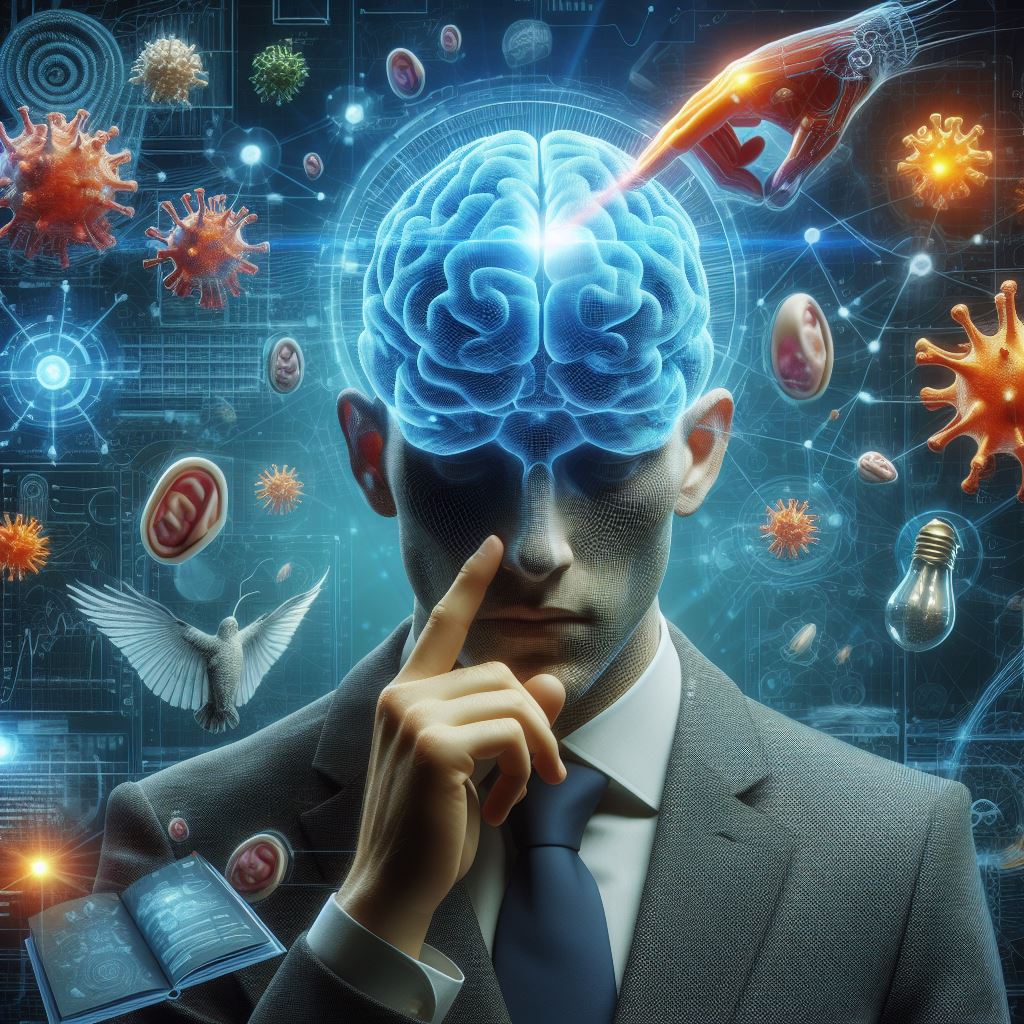

Remorse is an intricate emotional response that arises from reflecting on past actions that may have caused harm or distress to others. It is a deeply human experience, intricately tied to our ability to feel guilt and empathise with others. The neurobiology of remorse sheds light on the intricate workings of our brains and the mechanisms that underlie this complex emotion. In this blog post, we will explore how our brains process remorse, the role of empathy, and the implications for our personal growth and relationships.
The Prefrontal Cortex and Moral Decision-Making
The prefrontal cortex, the front region of the brain, plays a critical role in complex cognitive processes governing morality, decision-making, and emotional regulation. Recent studies have shown that several areas within this region contribute to our understanding of remorse.
One such area is the ventromedial prefrontal cortex (vmPFC), associated with empathy, moral judgement, and decision-making. Dysfunction in this area, due to brain injury or certain psychological disorders, can result in a lack of remorse and impaired moral decision-making. By contrast, an active and healthy vmPFC is crucial for processing emotions related to remorse.
Neurochemicals Involved in Remorse
Neurotransmitters such as serotonin, dopamine, and oxytocin also play an important role in remorse. Serotonin, known as the “feel-good” neurotransmitter, influences mood regulation and social behaviour. Reduced serotonin levels have been associated with increased aggressive behaviour and decreased empathetic responses, potentially hindering the experience of remorse.
Dopamine, linked to reward and reinforcement, plays a role in reinforcing moral behaviour. When we are able to experience remorse and learn from our mistakes, it is believed that dopamine release acts as a positive reinforcement mechanism, motivating us towards better moral choices in the future.
Oxytocin, often referred to as the “love hormone,” strengthens social bonds and promotes prosocial behaviour. Studies have shown that individuals with higher levels of oxytocin are more likely to experience and express remorse, highlighting its importance in enhancing our emotional responses and empathic abilities.
The Empathy Connection
Empathy, the ability to understand and share the feelings of another, is closely intertwined with remorse. Empathy allows us to connect emotionally with others, recognising their pain, suffering, or anguish stemming from our actions. Research suggests that empathy is crucial in driving remorse and subsequent behavioural changes to prevent similar mistakes.
Mirror neurons, specialised cells in the brain, have been identified as a key component of empathy. These neurons fire both when we perform an action and when we observe someone else performing the same action. This mirroring process allows us to simulate the experiences and emotions of others, making empathy and remorse possible.
Implications for Personal Growth and Relationships
Understanding the neurobiology of remorse can have profound implications for personal growth and relationships. Recognising the importance of empathy and its role in remorse can help individuals cultivate a greater sense of responsibility and accountability for their actions. By fostering empathetic responses, we can develop a deeper understanding of the impact our actions have on others and actively work towards rectifying and preventing such harm.
Additionally, this knowledge can also guide therapeutic interventions, enabling mental health professionals to develop targeted treatments for individuals with deficits in remorse. For those struggling with remorse, understanding the underlying neurobiology can provide hope, highlighting that change and personal growth are possible.
The Healthy Action Plan for When You’ve Done Something Wrong
1. Identify an action or behaviour that caused harm or regret.
2. Connect the action with a negative emotional response.
3. Acknowledge and take responsibility for the consequences of the action.
4. Reflect on and understand the reasons behind the action.
5. Feel genuine remorse and regret for the action.
6. Make efforts to apologise, repair, or make amends for the harm caused.
7. Learn from the experience and strive to avoid similar actions in the future.
Conclusion
Remorse is a deeply human emotion, rooted in the intricate workings of our brains. The neurobiological perspective sheds light on how empathy, moral decision-making, and various neurotransmitters contribute to the experience of remorse. By acknowledging and understanding these processes, we can pave the way for personal growth, strengthen relationships, and foster a more empathetic and compassionate society.
Share this:

You Might Also Enjoy Reading