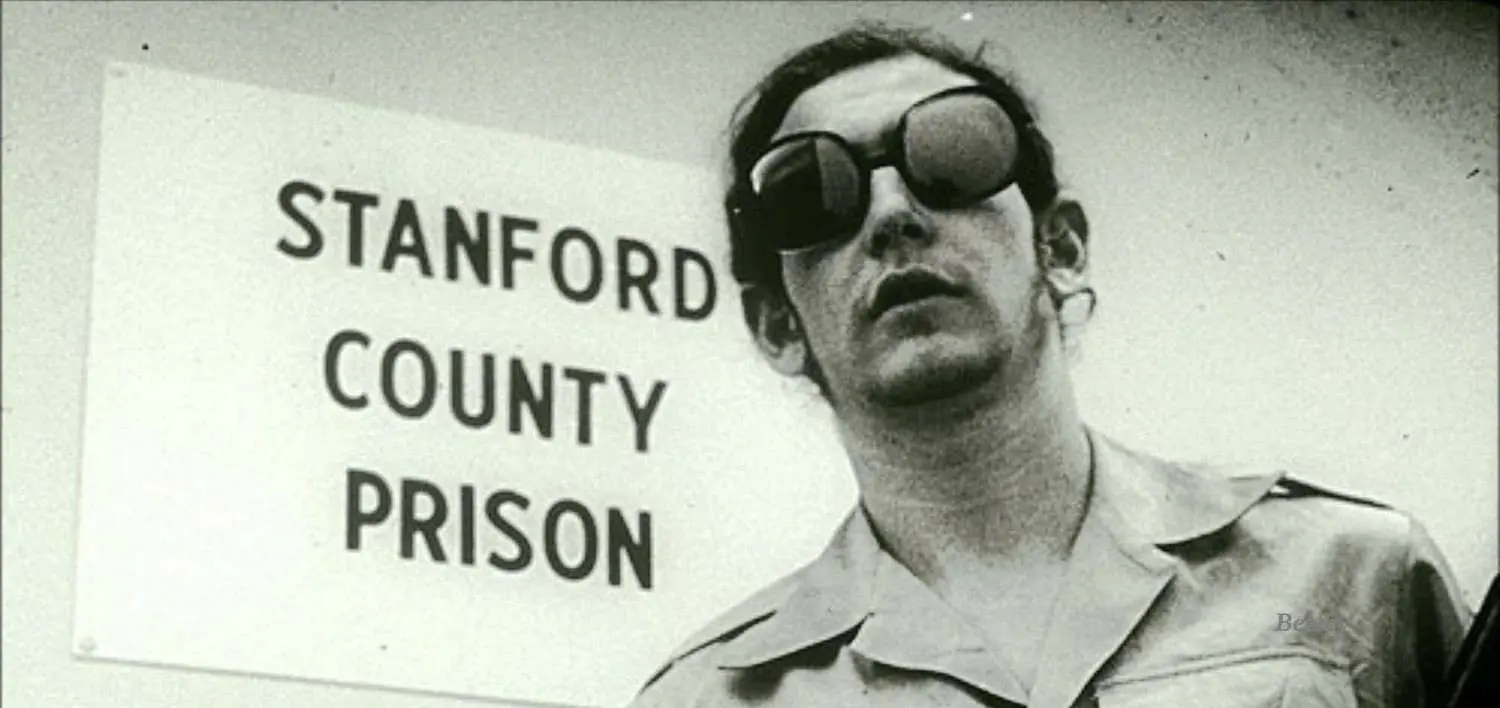

The connection between drugs and crime is a complex and perpetual issue that has plagued societies for many decades. The use, production, and distribution of illegal drugs have often given rise to various criminal activities, ranging from drug trafficking to violence and other societal disruptions. This blog post aims to shed light on the intricate relationship between drugs and crime, examining the key factors, consequences, and potential solutions to this pervasive problem.
1. The Root Cause
While it is essential to understand that drug use does not inherently lead to criminal behaviour, it is undeniable that drugs can act as a catalyst, amplifying criminal activity. The root cause of the association between drugs and crime can be traced back to several principal factors:
a) Addiction: Substance abuse and addiction often compel individuals to resort to illegal activities to meet their increasing demands. Maintaining a drug addiction is costly, leading to engaging in theft, prostitution, or other illicit actions to sustain their habit.
b) Illegal Market: The trade of illegal drugs operates outside the bounds of the law, creating an intricate web of criminal networks. These networks often resort to violence and intimidation to protect their territory and maintain their profits.
c) Gang Activities: Drugs are a major source of income and influence for organised crime syndicates and street gangs. The competition and territorial disputes surrounding drug trade often result in violent clashes, contributing to overall crime rates.
2. Consequences
The impacts of drugs and crime are far-reaching, affecting individuals, families, and communities:
a) Community Disruption: Drug-related offences contribute to a breakdown of law and order in communities. Neighbourhoods plagued by drug-related activities often experience increased rates of theft, assault, and other criminal acts, instilling fear and insecurity among residents.
b) Health Consequences: Substance abuse not only puts the user at risk but also has a significant impact on public health. Overdoses, the spread of infectious diseases through shared needles, and mental health disorders are only a few of the numerous health ramifications associated with drug addiction.
c) Economic Burden: Combating drug-related crime requires substantial financial resources. Governments must allocate funds to law enforcement agencies, drug treatment programs, and support services. Furthermore, businesses located in high-crime areas often struggle to thrive, leading to significant economic burdens on communities.
3. Potential Solutions
Addressing the drug and crime epidemic requires a comprehensive and multi-faceted approach:
a) Prevention and Education: Implementing effective prevention programs, emphasising the dangers of drug use, and raising awareness about the consequences can help reduce the demand for illicit substances.
b) Rehabilitation & Treatment: Investing in rehabilitation and treatment centres not only aids in breaking the cycle of addiction but also reduces the likelihood of individuals resorting to criminal activities to support their habit.
c) Law Enforcement and Policy Reform: Focusing efforts on disrupting drug supply chains through enhanced law enforcement strategies, coupled with policies emphasising diversion programs instead of strict incarceration, can address drug-related crime more effectively.
d) Community Engagement: Building strong community relationships, providing support structures, and empowering neighbourhoods can foster a sense of collective responsibility in combating drug abuse and crime within communities.
Conclusion
The link between drugs and crime is a vicious cycle that continues to wreak havoc on societies globally. By approaching the issue from various angles, including prevention, treatment, law enforcement, and community engagement, we can create a more cohesive and effective response. Only through collaborative efforts, open dialogue, and a commitment to public health can we hope to mitigate the impacts of drugs and crime on our communities and build a better future for all.
Share this:

You Might Also Enjoy Reading