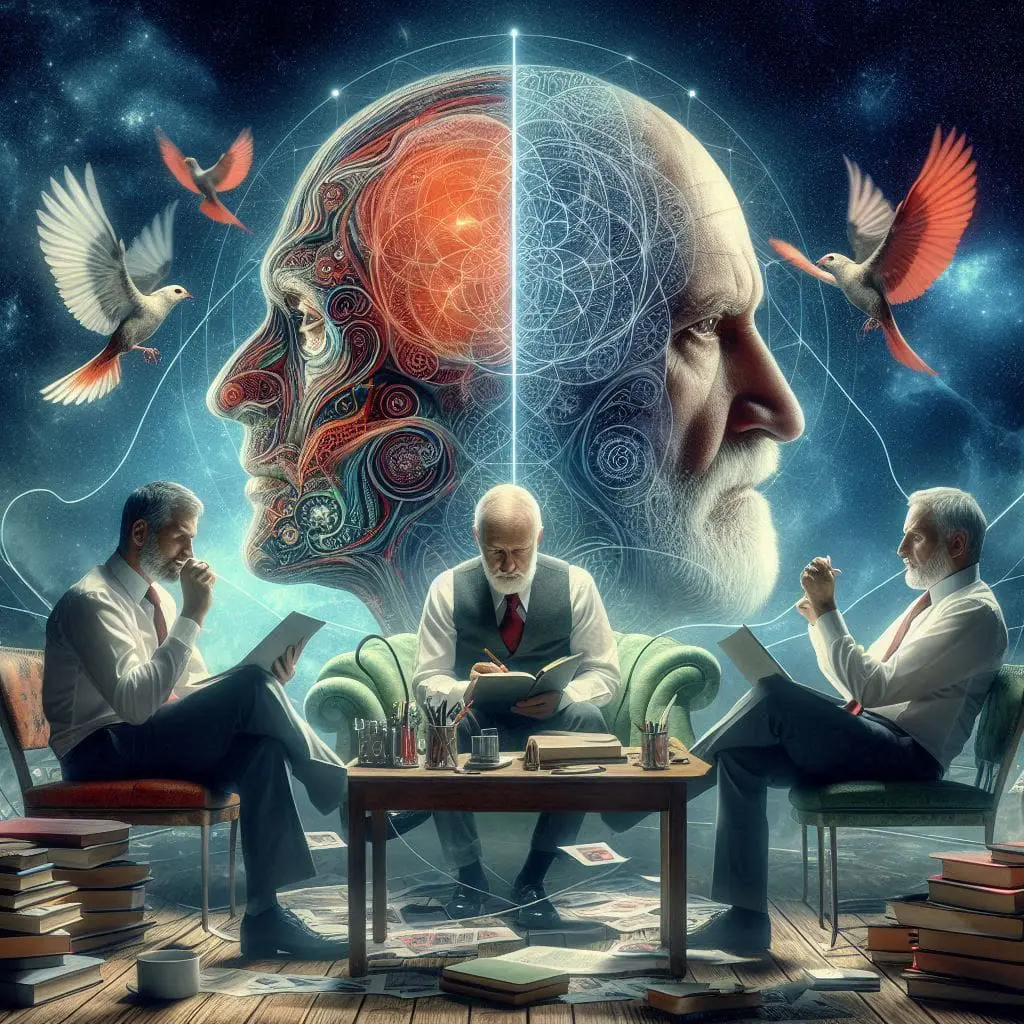

In recent years, the concept of intersectionality has gained significant attention and recognition, challenging traditional feminist and social justice frameworks. Originating in the work of Kimberlé Crenshaw, intersectionality acknowledges that various social categories, such as race, gender, class, and sexuality, intersect and interact to form intricate systems of privilege and oppression. While the concept has predominantly been discussed in academic and activist circles, understanding the psychology behind intersectionality is equally crucial in illuminating how we perceive ourselves and others.
The Multi-Dimensional Nature of Identity
Human beings are complex, multi-faceted beings whose identities are not defined by a single aspect. We all possess a unique combination of characteristics that shape our experiences and perspectives. Intersectionality recognises that each of us exists at the intersections of multiple identities, and these intersections influence how we navigate the world. Our identities are interconnected and cannot be separated – we are not merely a woman, a person of colour, or someone from a specific social class; instead, we exist as individuals with multiple dimensions that interact with one another.
The Power and Privilege Dynamics
Understanding intersectionality helps us recognise the power dynamics that operate within society. Some intersections grant privilege, while others lead to marginalisation and oppression. Recognising where we stand within these structures is vital to fostering empathy, creating dialogue, and challenging unjust systems. For example, white privilege and male privilege are inherent within societies marked by systemic racism and sexism. Acknowledging these privileges is the first step toward dismantling them.
Intersectionality and Mental Health
The impact of intersectionality reaches beyond social and political spheres; it has a significant influence on mental health and well-being. The experiences of individuals at the intersections of multiple marginalised identities are often compounded, leading to increased vulnerability. People who face discrimination on various fronts may deal with issues such as higher rates of mental health disorders, decreased self-esteem, and a constant sense of invisibility.
As psychologists delve into the complexities of intersectionality, they uncover how these experiences affect individuals’ mental health. This area of study helps identify the unique challenges faced by specific intersectional groups and enhances the provision of effective therapeutic interventions, tailored to each individual’s needs.
Empathy and Intersectionality
Improving our understanding of intersectionality fosters empathy and compassion. When we acknowledge the diverse identities that intersect within a person, we become more receptive to their experiences and concerns. Such awareness enables us to challenge preconceptions, biases, and stereotypes, creating space for open and honest dialogue. By recognising the intersecting dimensions within ourselves and others, we lay the foundation for overcoming societal stigmas and building inclusive communities.
Conclusion
The concept of intersectionality provides a profound understanding of the complexities and nuances of human identity. By acknowledging the various intersecting identities that each individual possesses, we challenge the notion of a single-dimensional identity while recognising the power dynamics at play in society. Incorporating intersectionality into psychological research and practice allows professionals to provide more nuanced and effective support for individuals dealing with the compounded effects of multiple identities. Ultimately, promoting intersectional understanding creates a more inclusive and equitable society, where empathy and respect thrive, and individual experiences are valued. Embracing the psychology of intersectionality is a collective effort that empowers us to break down barriers and advocate for justice, equality, and well-being for all.
Share this:

You Might Also Enjoy Reading