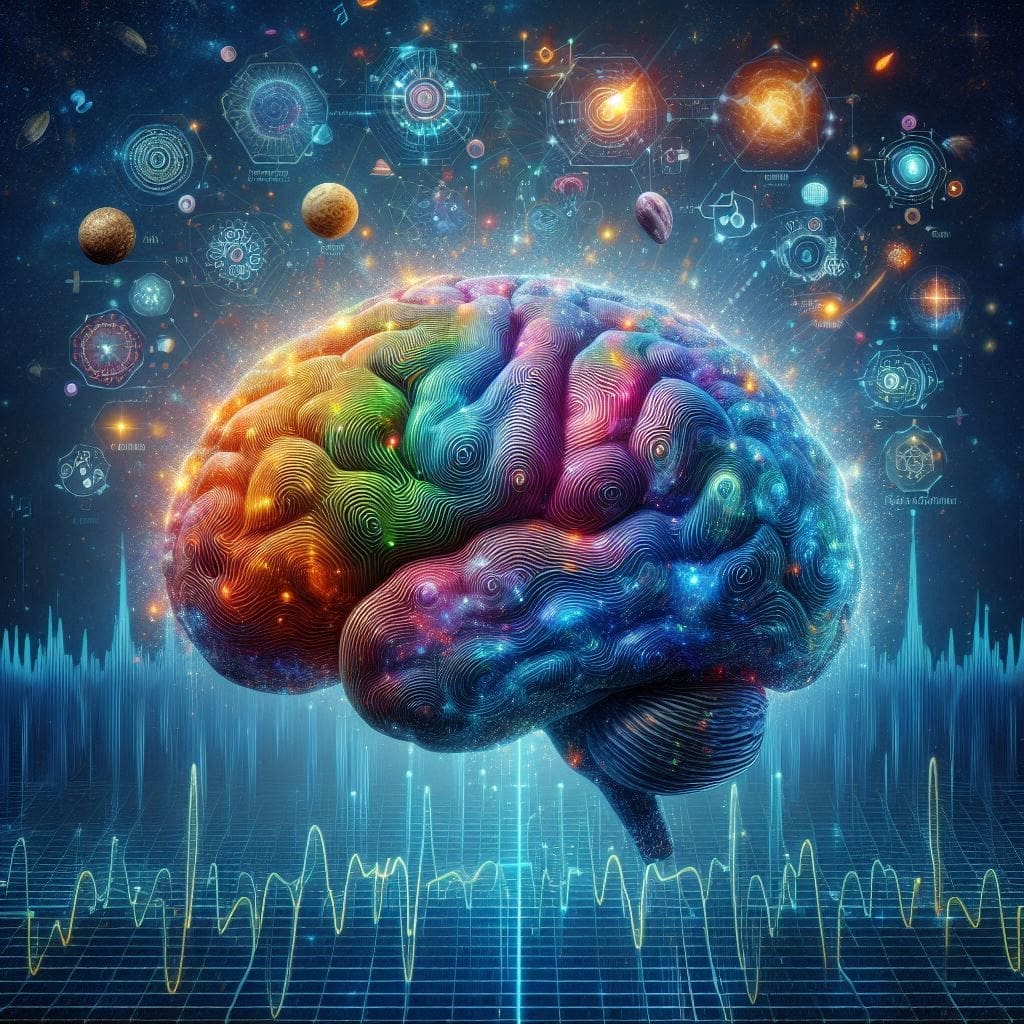


From the satisfying taste of our favourite food to the thrill of achieving personal goals, the experience of pleasure has always been a driving force in human behaviour. But what exactly fuels this pursuit of reward? The answer lies in a fascinating chemical messenger called dopamine. In this blog post, we will delve into the world of dopamine-induced, reward-seeking behaviours, exploring their psychological and biological underpinnings.
Understanding Dopamine and its Role
Dopamine is a neurotransmitter, a chemical messenger responsible for transmitting signals between neurons in our brains. It plays a crucial role in our brain’s reward system, which motivates and reinforces our actions in response to pleasurable experiences. This intricate web of neural connections orchestrates a complex interplay between dopamine and other brain chemicals, resulting in a range of reward-seeking behaviours.
Prediction and Anticipation
Dopamine serves as a key player in the anticipation of rewards. When we encounter cues or stimuli associated with rewards, such as the scent of our favourite food or the sound of a notification on our phones, dopamine levels in our brains surge. This anticipatory response primes our brain, preparing us for enhanced motivation to pursue and obtain the perceived reward.
Learning and Habit Formation
Beyond anticipation, dopamine is also heavily involved in associative learning and habit formation. When we experience a positive outcome or reward, dopamine is released, signalling to our brain that this behaviour should be remembered and repeated. Over time, the repeated release of dopamine reinforces neural connections associated with these behaviours, forming habits and creating a strong association between a particular action and the pleasure it brings.
Addiction and Dopamine Dysregulation
While the pursuit of rewards is a natural and adaptive behaviour, the same dopamine-driven processes can also underpin the development of addiction. In cases of substance abuse or compulsive behaviours, such as gambling or excessive gaming, the brain’s reward system becomes hijacked, leading to persistent and compulsive engagement in these activities. Moreover, using social media can also be addictive for similar reasons, for example, the psychology of TikTok shows us how apps are designed to keep the user scrolling.
Addictive substances and behaviours often trigger abnormally high dopamine release, overwhelming the brain’s reward system. As a result, the individual’s ability to experience pleasure from natural rewards diminishes, pushing them to seek greater and more frequent rewards to achieve the same level of satisfaction.
Dopamine’s Dark Side: The Downside of Excessive Rewards
Although dopamine-induced reward-seeking behaviours are pivotal for our survival and motivation, excessive rewards can also have negative consequences. For instance, constant exposure to highly rewarding experiences, like binge-watching TV shows or living in an era of instant gratification, can lead to diminished dopamine sensitivity. As a result, individuals may struggle to find joy or satisfaction in comparatively less stimulating activities, contributing to low mood and decreased well-being.
Harnessing the Power of Dopamine for Personal Growth
Understanding the role of dopamine in moderating our reward-seeking behaviours brings an opportunity to harness its power for personal growth. By consciously aligning our pursuits with long-term goals and healthy habits, we can cultivate sustained dopamine release and derive gratification from achievements that contribute to our well-being, personal growth, and meaningful relationships.
Final Thoughts
Dopamine-induced reward-seeking behaviours lie at the core of our human experience, driving us to explore, achieve, and connect with the world around us. While this powerful neural chemical can bring immense joy and motivation, it is vital to understand the delicate balance required to avoid falling prey to the allure of immediate rewards that may hinder our overall well-being. By harnessing the power of dopamine and channelling it towards meaningful pursuits, we can cultivate a fulfilling and purposeful life.
Share this:

You Might Also Enjoy Reading