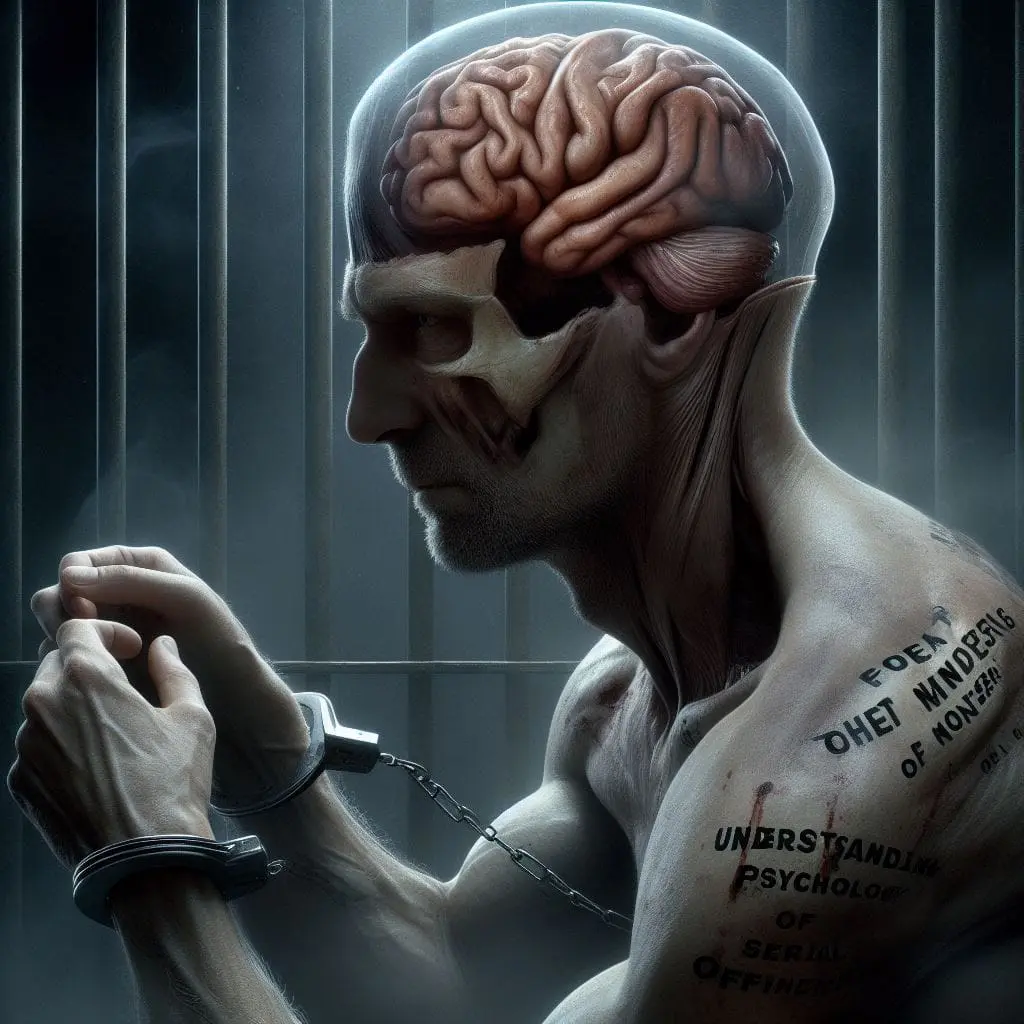
In the world of criminal justice, cold cases refer to unsolved crimes that have remained dormant for years or even decades. The frustration of investigators and mystery enthusiasts alike grows as these cases remain open, leaving victims and their families without closure. However, advancements in forensic science have paved the way for new investigative techniques, one of which is forensic psychoanalysis. By delving into the psyche of criminals long after the fact, forensic psychoanalysis has proven instrumental in shedding light on unsolved cases and leading to justice.
Understanding Forensic Psychoanalysis
Forensic psychoanalysis combines elements of psychiatry, forensic science, and psychology to analyse and interpret the behaviour and motivations of criminals. By applying psychoanalytical principles to unsolved cases, investigators and experts aim to gain insight into the mind of the offender, which may ultimately help solve the mystery. This analytical approach can unearth suppressed or hidden motives, provide context for behavioural patterns, and unravel the psychology behind criminal acts.
Examining Criminal Profiles
One of the key aspects of forensic psychoanalysis is the creation of a criminal profile. Investigators study the available evidence, crime scene characteristics, and victimology. By extrapolating this information, they can generate a psychological profile of the perpetrator. Identifying the individual’s personality traits, habits, and potential motives proves indispensable in narrowing down the pool of suspects. Cold cases often have limited evidence, making a well-constructed profile an invaluable tool for investigators to focus their efforts.
Finding New Clues Through Psychodynamic Analysis
Psychodynamic analysis is at the core of forensic psychoanalysis. This approach involves examining an individual’s early life experiences, traumatic events, or mental disorders to establish a link between their history and criminal behaviour. In cold cases, where evidence may be scarce or outdated, psychodynamic analysis can offer new perspectives. By exploring the unresolved emotional conflicts that may have led to criminal actions, investigators can uncover hidden connections and piece together the puzzle of a crime that has long remained unsolved.
Resolving Cold Cases With Behavioural Analysis
Another vital aspect of forensic psychoanalysis is behavioural analysis. This methodology focuses on the examination of a criminal’s behaviour, including their modus operandi and signature. By identifying the unique elements of a criminal’s actions, investigators can construct a profile that aids in the identification and capture of the perpetrator. Cold cases might benefit from a fresh look at these behaviours, as advancements in forensic science and analysis techniques can provide contemporary insights into older evidence.
Supporting Traditional Investigative Techniques
It’s important to note that forensic psychoanalysis does not function as a standalone method but rather as a complementary tool to traditional investigative techniques. Cold cases often require interdisciplinary collaboration, combining the expertise of forensic psychologists, pathologists, DNA analysts, and investigators. By leveraging forensic psychoanalysis alongside other scientific advancements, investigators can breathe new life into old cases, offering new leads, refining suspect profiles, and generating fresh avenues of investigation.
Conclusion
Forensic psychoanalysis has emerged as a powerful tool in solving cold cases, offering fresh perspectives on unsolved mysteries. By delving into the depths of a criminal’s mind, investigators can unravel previously unseen connections and motives. In the ongoing pursuit of justice, the role of forensic psychoanalysis showcases the significance of interdisciplinary collaboration and the continuous evolution of forensic science. With each breakthrough, we come closer to bringing closure to victims, their families, and the communities affected by these haunting cold cases.
Share this:

You Might Also Enjoy Reading