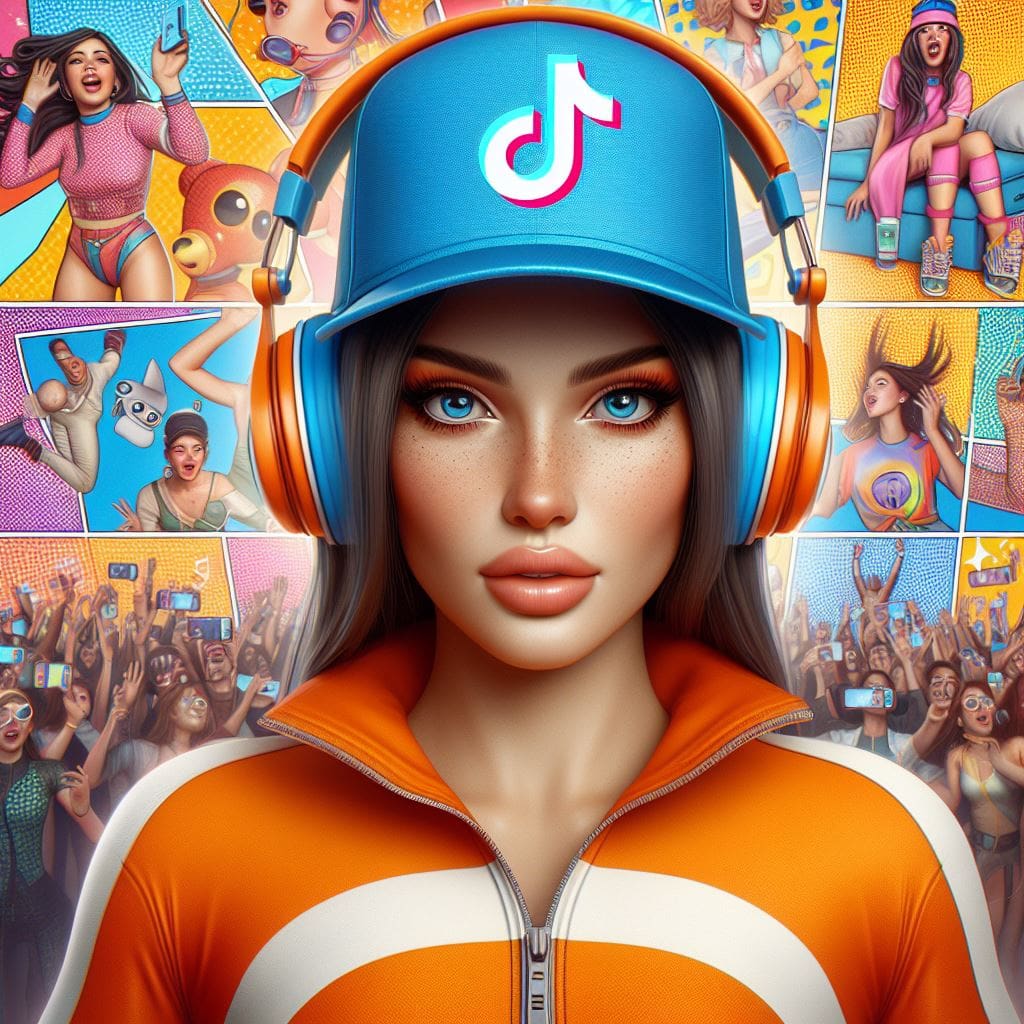

The rise of TikTok, an app that allows users to create and consume short videos, has revolutionised the way we consume and engage with content. With over a billion active users worldwide, there is no denying that TikTok has captured our attention and has become a global phenomenon. But what lies beneath its addictive appeal? This blog post delves into the psychology of TikTok, exploring the various factors that contribute to its widespread popularity and the addictive behaviors it triggers.
1. Dopamine Rush and Instant Gratification
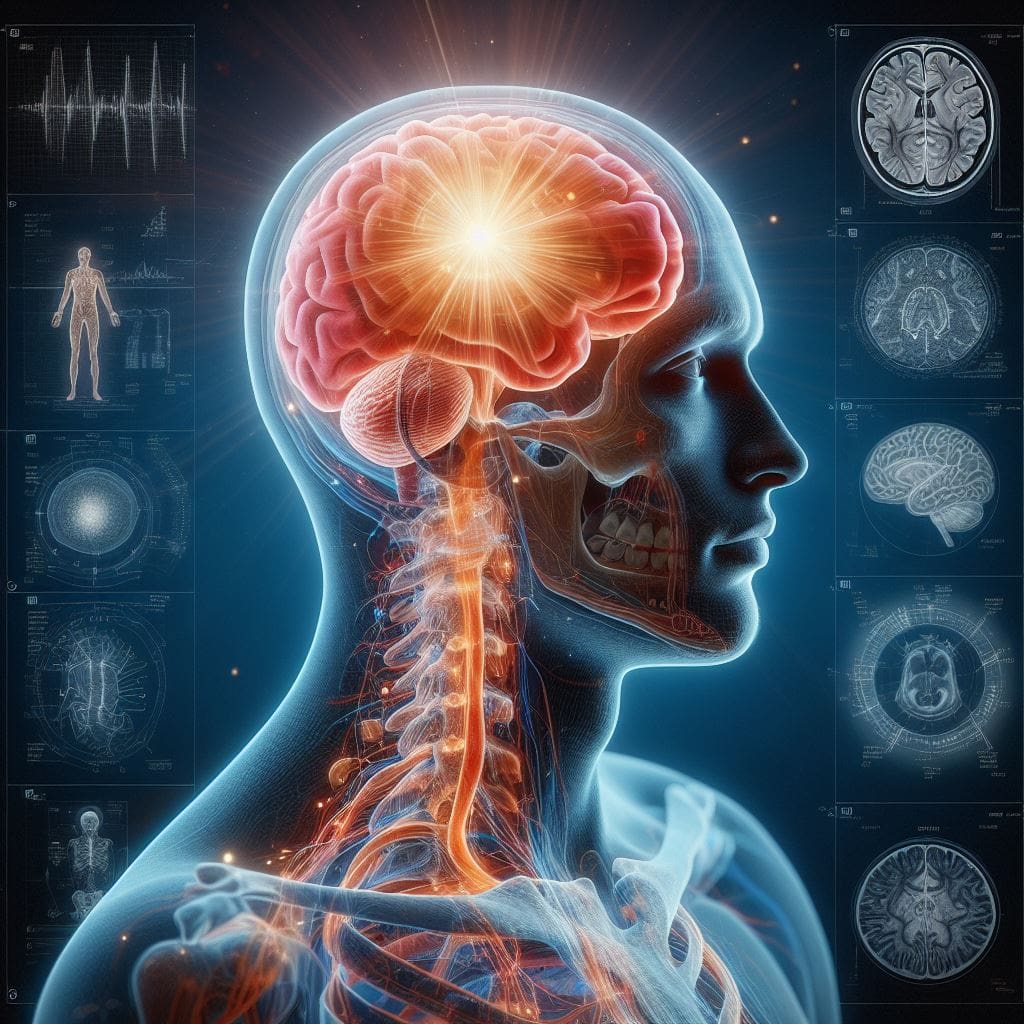
At the heart of TikTok’s allure is its ability to deliver instant gratification. Our brains are wired to seek rewards and release dopamine, the pleasure neurotransmitter. TikTok’s algorithm, which tailors content to individual preferences, ensures a constant stream of enjoyable videos, increasing the likelihood of releasing dopamine. Moreover, the app’s infinite scroll feature enables users to continuously engage with content in an effortless, seamless manner. These factors induce a state of flow, where individuals become fully immersed and lose track of time, contributing to the addictive nature of TikTok.
2. Social Validation and Creative Expression
Humans have an inherent need for social validation, and TikTok cleverly capitalises on this aspect. The app’s emphasis on user-generated content nurtures a creative outlet where individuals can showcase their talents and gain recognition. The inclusion of features like likes, comments, and shares further fuels this desire for validation, as users seek positive reinforcement or virality. TikTok acts as a platform where users feel seen, appreciated, and even famous, as their content gains traction. This addictive loop drives users to continue exploring creative avenues and gain the psychological satisfaction of social validation.
3. Micro-entertainment to Alleviate Stress
In our fast-paced, high-stress lives, TikTok offers a temporary escape. The app’s short-form content provides bite-sized entertainment that fits perfectly within our increasingly limited attention spans. The constant novelty and unpredictability of videos engage our curiosity, providing a welcome diversion from reality. Additionally, TikTok’s algorithm learns from user behaviour, tailoring content based on individual preferences. This personalised experience creates a sense of intimacy, almost like having a personal entertainment curator, leading individuals to turn to TikTok as a means of relaxation and stress relief.
4. Fostering Connection and Building Communities
Humans are social beings, and TikTok taps into our innate need for connection. The app’s foundation lies in building various communities and fostering a sense of belonging. Users can find like-minded individuals, participate in challenges, and engage in duets. TikTok’s emphasis on comments and interactions facilitates social bonding, even in the absence of physical proximity. By creating inclusive spaces, the app encourages users to engage with content, fostering a sense of community and enhancing the likelihood of repeated usage.
Conclusion
Understanding the psychology behind TikTok’s extraordinary success unveils the intricacies of our human nature; our cravings for validation, dopamine-induced reward-seeking, pleasure in short-term entertainment, and the desire for social connection. TikTok skillfully caters to these primal instincts, captivating an enormous audience worldwide. However, it’s essential to be mindful of our time and energy spent on the app, ensuring a healthy balance between consumption and real-world engagement. So the next time you find yourself scrolling through TikTok, take a moment to reflect on the psychological forces at play, and perhaps, learn a thing or two about yourself.
@realbetshy A clip of my music video: Welcome to the UK #music #clip #sex #viral #trend #tendencia #cultura #culture #uk #england #london #sexy ♬ original sound – BETSHY
Share this:

You Might Also Enjoy Reading