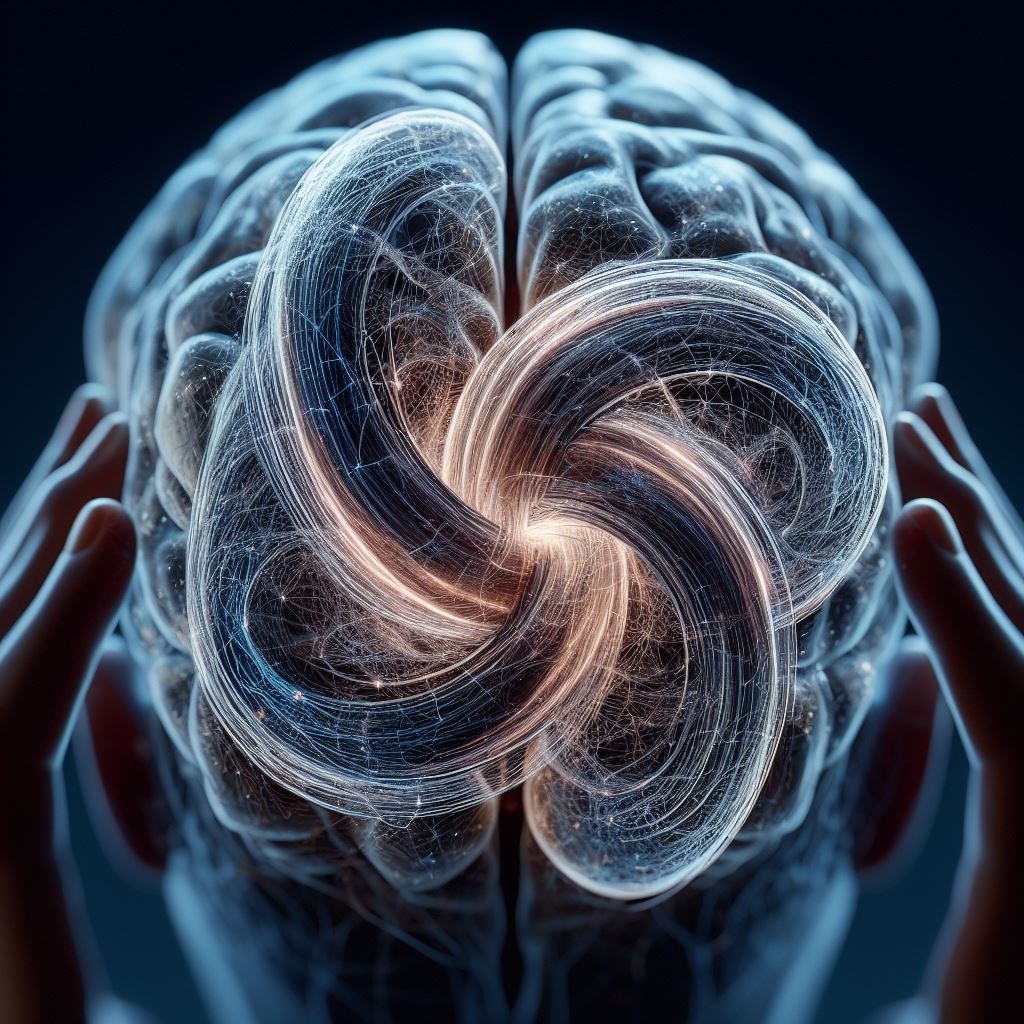
Emotions are an integral part of the human experience, shaping our thoughts, behaviours, and overall well-being. However, understanding and managing these complex feelings can often be a challenging task. In this blog post, we will explore a psychoanalytic approach to navigating emotions, unravelling the depths of our subconscious mind and shedding light on the underlying factors that influence our feelings.
The Psychoanalytic Framework
Psychoanalytic theory, developed by Sigmund Freud, emphasises the importance of the unconscious mind in shaping our emotions and behaviours. According to this framework, emotions are not merely superficial reactions but rather deeply rooted in our subconscious. Understanding our emotions thus requires delving into our unconscious, unravelling the hidden meanings and unresolved conflicts within ourselves.
Unconscious Forces and Emotional Expression
Psychoanalysis suggests that our emotions often stem from unconscious desires, experiences, or traumas. Therefore, identifying and acknowledging these underlying factors can help us gain a nuanced understanding of why we feel the way we do. By exploring the depths of our psyche, we can uncover unresolved conflicts that otherwise dictate our emotional responses.
Defence Mechanisms and Emotional Regulation
Freud highlighted the existence of defence mechanisms – unconscious strategies employed to manage anxiety and discomfort. These mechanisms protect us from overwhelming emotions but can at times hinder our emotional growth. By recognising these defence mechanisms, such as repression or projection, we can begin to challenge them and better regulate our emotions.
Exploring Childhood Experiences
Psychoanalytic theory asserts that childhood experiences significantly shape our emotional landscape. Early interactions with caregivers, traumatic events, or significant relationships leave lasting impressions that continue to colour our emotional world. Revisiting and understanding these formative experiences can provide valuable insights into our emotional responses.
Transference and the Therapeutic Relationship
Psychoanalysis places great emphasis on the therapeutic relationship, viewing it as a microcosm of past experiences. Transference, a phenomenon where a client transfers feelings from significant past relationships onto the therapist, allows for deeper exploration of unresolved emotions. The therapist provides a safe environment to examine and process these emotions, promoting healing and personal growth.
Integration and Self-Awareness
As we uncover the deeper layers of our emotions, psychoanalysis emphasises the integration of these newfound insights into our conscious lives. Self-awareness becomes a vital component, enabling us to recognise our emotional triggers and patterns. By gaining a better understanding of our emotions and their origins, we can navigate them more effectively and make informed choices.
Conclusion
Navigating emotions is a lifelong journey, and a psychoanalytic approach offers valuable insights into our intricate emotional landscapes. By exploring the depths of our psyche and understanding the unconscious forces at play, we can unravel the complexities that govern our feelings. Through self-awareness, recognising defence mechanisms, and examining the role of past experiences, we can gain mastery over our emotional responses and, ultimately, lead more fulfilling lives.
Share this:

You Might Also Enjoy Reading