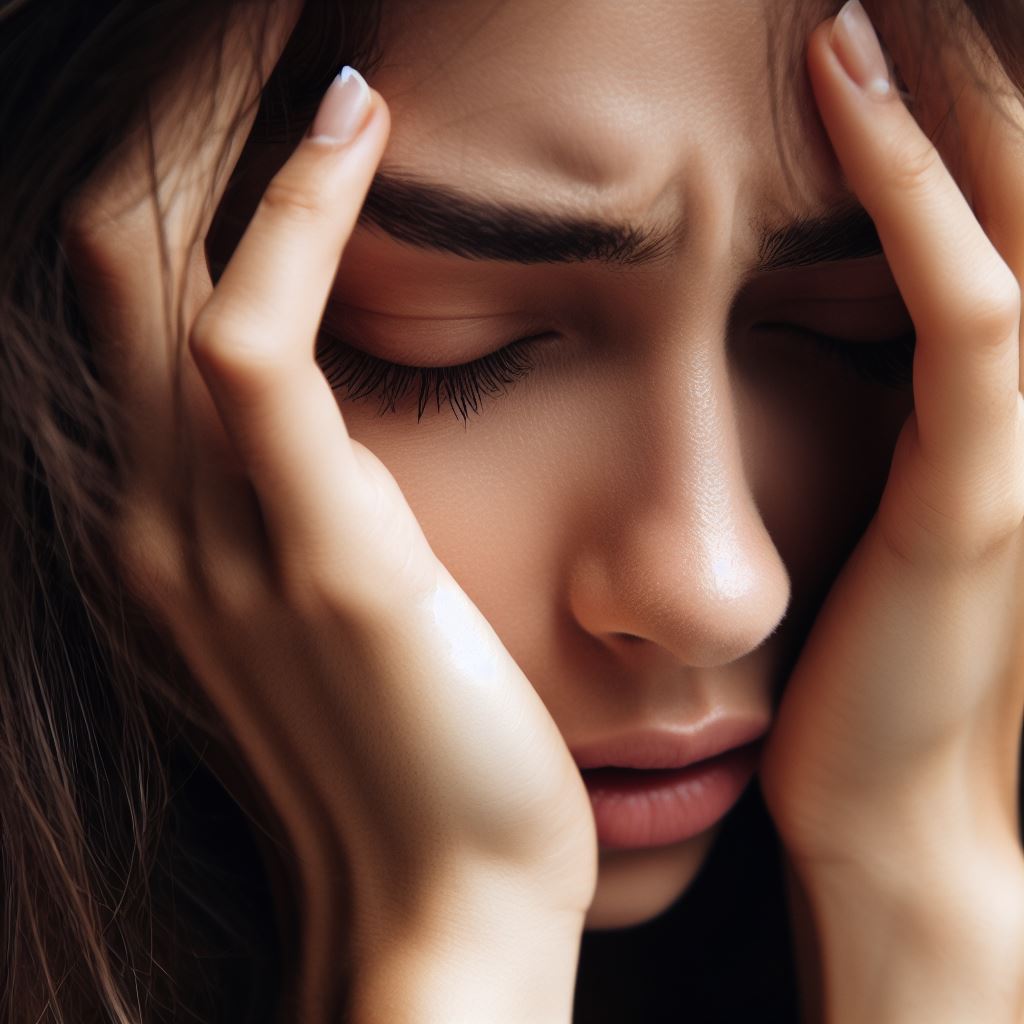
Experiencing a mental disorder is tough, and some of those who do can present with personal and intimate care problems, especially if they are going through a crisis. This self-neglect can consequently have many negative effects on the person, which you can read more about in the blog post ‘The Problem of Self-Neglect in Mental illness & Its Effects‘. For now, we will focus on listing some of these specific problems. Then we will move on to read about a real life example of someone who suffered with these issues.
Personal & Intimate Problems Include:
- Not taking showers, not changing clothes, nor washing teeth: Regularly maintaining personal hygiene is essential for our well-being. This includes activities such as bathing or showering, brushing teeth, washing hair, and maintaining clean clothes.
- Not taking prescribed medication: Taking prescribed medications as directed by healthcare professionals is crucial for managing many health conditions. Adhering to medication schedules can help ensure optimal treatment outcomes.
- Not washing the hair, nor cutting fingernails or toenails: Regularly trimming and grooming fingernails and toenails is not only essential for personal hygiene but also helps prevent infections. Similarly, taking care of our hair by washing and styling it appropriately contributes to our overall grooming.
- Not eating well: Proper nutrition and a well-balanced diet play a significant role in our physical and mental health. Eating nutritious meals and staying adequately hydrated are vital for maintaining optimal energy levels and overall well-being..
- Not cleaning or tidying up the home environment, and/or hoarding: Creating a clean and organised living environment can have a positive impact on our mental health. Regularly cleaning and tidying up our living spaces can promote a sense of calm and well-being. Regularly changing bed-sheets is also important.
- Self-intoxication with substances: Engaging in self-intoxication with substances can have detrimental effects on physical and mental health. It is essential to make healthy choices regarding substance use and seek appropriate support if needed.
- Not using contraception when having sex: Practising safe sex and using contraception when needed is an important aspect of maintaining sexual health and well-being.
Real Case Example
David was diagnosed with Bipolar disorder (type 1) and now and then suffered with psychotic episodes. I was close with him, and he told me he had decided to stop taking his prescribed medication, an antipsychotic medication that helped him stay stable. Shortly after he ceased to take his meds, I noticed that David did not cut his fingernails, did not take showers, and smelled a lot. He also lived in a state of chaos, his home was super messy and inhospitable. I tried reaching out and pointed out what I was noticing, but he got deeply offended and angry that I noticed his personal care problems and he decided never to talk to me again. I realised he was not ready to take care of himself. For him it was easier to end the friendship than to pay attention to these neglected aspects of himself.
A Final Note
Self-care behaviours play a crucial role in maintaining our overall well-being. They encompass various actions and practices that contribute to our physical, emotional, and mental health. Remember, self-care is an ongoing process that requires attention and effort, and seeking help from healthcare professionals or support networks can be beneficial in navigating any challenges that may arise.
Share this:

You Might Also Enjoy Reading