The conflict between Iran and Israel has been ongoing for decades, with both countries having a long history of animosity towards each other. The roots of this conflict can be traced back to religious and geopolitical differences, as well as conflicting ideologies and interests in the Middle East region.
Advertisements
Iran, an Islamic republic, has been a vocal supporter of the Palestinian cause and has often called for the destruction of Israel. On the other hand, Israel sees itself as a Jewish state surrounded by hostile Arab and Muslim countries, including Iran, which it perceives as a threat to its existence.
The conflict between Iran and Israel has manifested itself in various ways over the years, including through proxy wars, cyberattacks, and hostile rhetoric. Iran has backed militant groups such as Hezbollah in Lebanon and Hamas in Gaza, both of which have carried out attacks against Israel. Israel, on the other hand, has conducted airstrikes in Syria, where Iran has a significant military presence, in an effort to prevent the transfer of weapons to Hezbollah.
Despite the tensions between the two countries, there have been some attempts at diplomacy and dialogue. The Iran nuclear deal, also known as the Joint Comprehensive Plan of Action (JCPOA), was signed in 2015 with the aim of limiting Iran’s nuclear program in exchange for the lifting of sanctions. However, the US withdrawal from the deal in 2018 and the subsequent re-imposition of sanctions have further strained relations between Iran and Israel.
The conflict between Iran and Israel is complex and multifaceted, with deep-rooted historical, religious, and political factors at play. As long as these issues remain unresolved, the conflict is likely to continue, with potentially dangerous consequences for the region and beyond. It is crucial for both countries to find a way to de-escalate tensions and engage in meaningful dialogue to address their differences and work towards peace and stability in the Middle East.
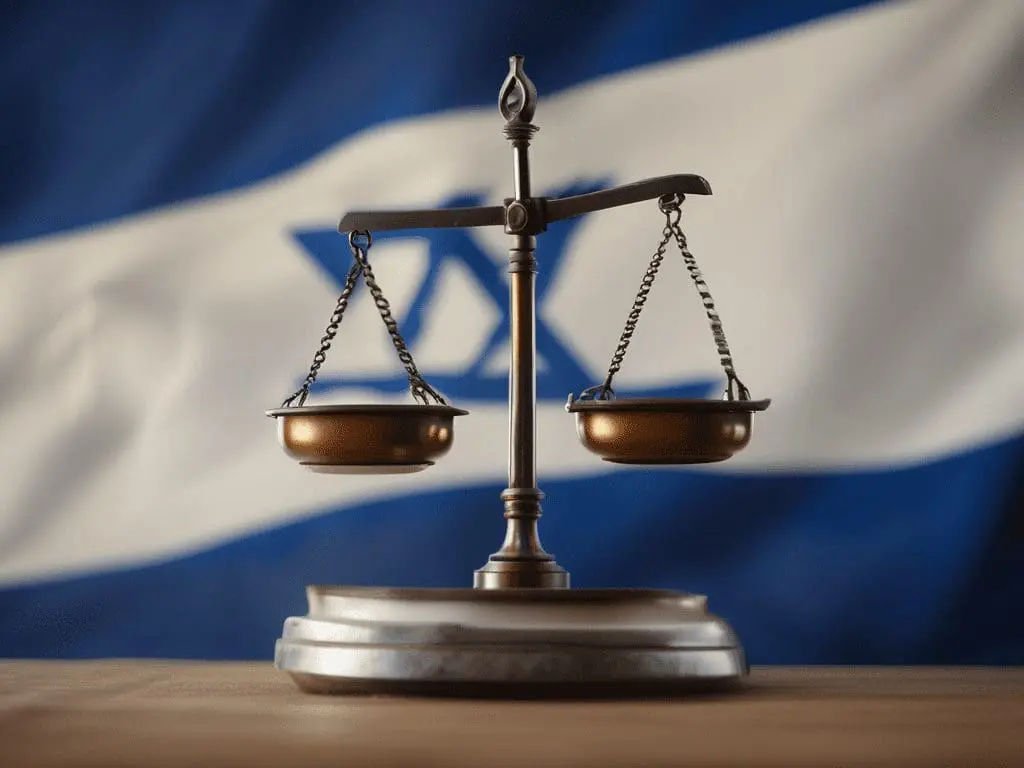
Israel’s criminal justice system has been a topic of ongoing debate and controversy for many years. With a complex and multi-layered legal system, Israel faces numerous challenges in maintaining a fair and just system for all its citizens.
Advertisements
One of the primary criticisms of Israel’s criminal justice system is the treatment of Palestinian individuals who come into contact with the law. Due to the ongoing Israeli-Palestinian conflict, many Palestinians feel that they are unfairly targeted and discriminated against by Israeli authorities. Reports of arbitrary arrests, detention without trial, and use of excessive force have raised serious concerns about the Israeli government’s commitment to upholding human rights and international law.
Another major issue within the criminal justice system is the treatment of African asylum seekers and migrants. Many of these individuals face systemic discrimination, police brutality, and lack of access to legal representation. The Israeli government’s policies towards asylum seekers have been widely criticised by human rights organisations, who argue that Israel is failing to fulfil its obligations under international law to protect and support refugees.
Despite these criticisms, Israel does have several strengths within its criminal justice system. The country has a robust legal framework and an active judiciary that plays a crucial role in upholding the rule of law. Israel also has a strong police force that works diligently to investigate and prosecute criminal activities.
In recent years, there have been efforts to reform and improve various aspects of Israel’s criminal justice system. Initiatives to increase transparency, accountability, and access to legal representation have been introduced, signalling a commitment to addressing some of the system’s shortcomings.
In conclusion, Israel’s criminal justice system is a complex and multifaceted institution that faces numerous challenges. While there are undoubtedly areas in need of improvement, there are also positive developments and efforts to reform the system for the better. As the Israeli government continues to navigate these issues, it is crucial that all individuals within the country are treated fairly and equally under the law.
Israel may be a small country in size, but when it comes to mental health care, it is a true powerhouse. With one of the most advanced and comprehensive mental health systems in the Middle East, Israel has made great strides in providing quality care to those struggling with mental illness.
Advertisements
One of the key strengths of Israel’s mental health system is its emphasis on community-based care. Through a network of mental health clinics, day centres, and outreach programs, individuals can access the care they need in their own neighbourhoods. This not only reduces the stigma associated with mental illness, but also ensures that people receive the support they need to thrive in their daily lives.
Another hallmark of Israel’s mental health system is its focus on early intervention and prevention. By offering screenings and psychoeducation in schools, workplaces, and community centres, Israel is able to identify and treat mental health issues before they escalate. This proactive approach has been crucial in addressing the country’s mental health needs and reducing the burden on its healthcare system.
In addition to providing accessible and preventative care, Israel also prioritises research and innovation in the field of mental health. The country is home to a number of leading mental health research institutions and has established numerous partnerships with international experts to advance the understanding and treatment of mental illness. This commitment to cutting-edge research has led to the development of new therapies, medications, and interventions that have benefited individuals both in Israel and around the world.
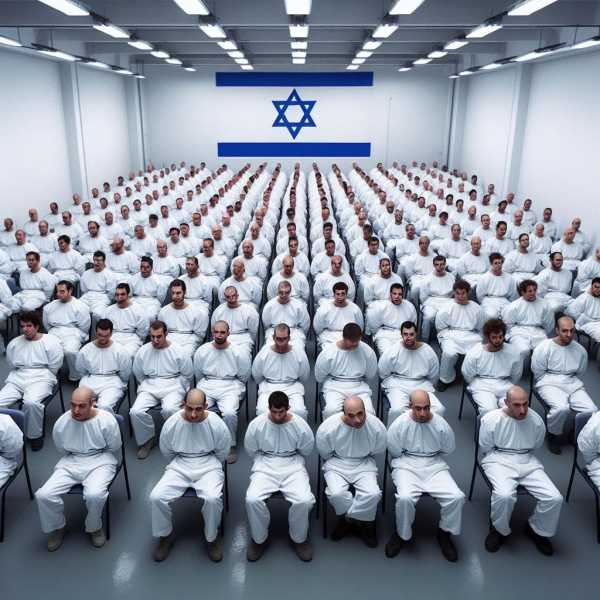
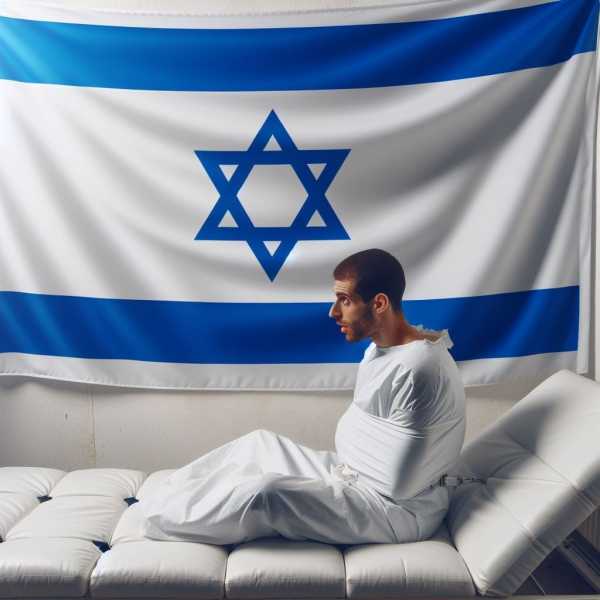
The high security psychiatric hospitals in Israel play a crucial role in ensuring specialised care for individuals with severe mental health concerns. These facilities are designed to not only assess and treat patients, but also to rehabilitate them, especially those who may pose a risk to themselves or others. The stringent security measures in place are vital for maintaining the safety of both the patients and the staff, as well as for preventing unauthorised access to sensitive areas within the hospitals.
In addition to these hospitals, Israel’s approach to mental health care encompasses a broader spectrum, including community-based services and preventive initiatives. This comprehensive landscape of mental health care demonstrates the country’s commitment to addressing the complex needs of individuals with mental health challenges. By combining the specialised care provided in high security psychiatric hospitals with community-based support and preventive measures, Israel is taking a holistic approach to promote mental well-being and support those in need.
Despite these strengths, Israel’s mental health system still faces challenges. Like many countries, there is a shortage of mental health providers, particularly in rural and underserved areas. Additionally, there is a need for greater awareness and education around mental health issues, as many individuals still face discrimination and stigma when seeking care.
Overall, Israel’s mental health system serves as a beacon of hope in the Middle East, offering a model for how countries can provide high-quality, community-based care to individuals struggling with mental illness. By continuing to prioritise early intervention, research, and innovation, Israel is paving the way for a brighter future for those in need of mental health support.
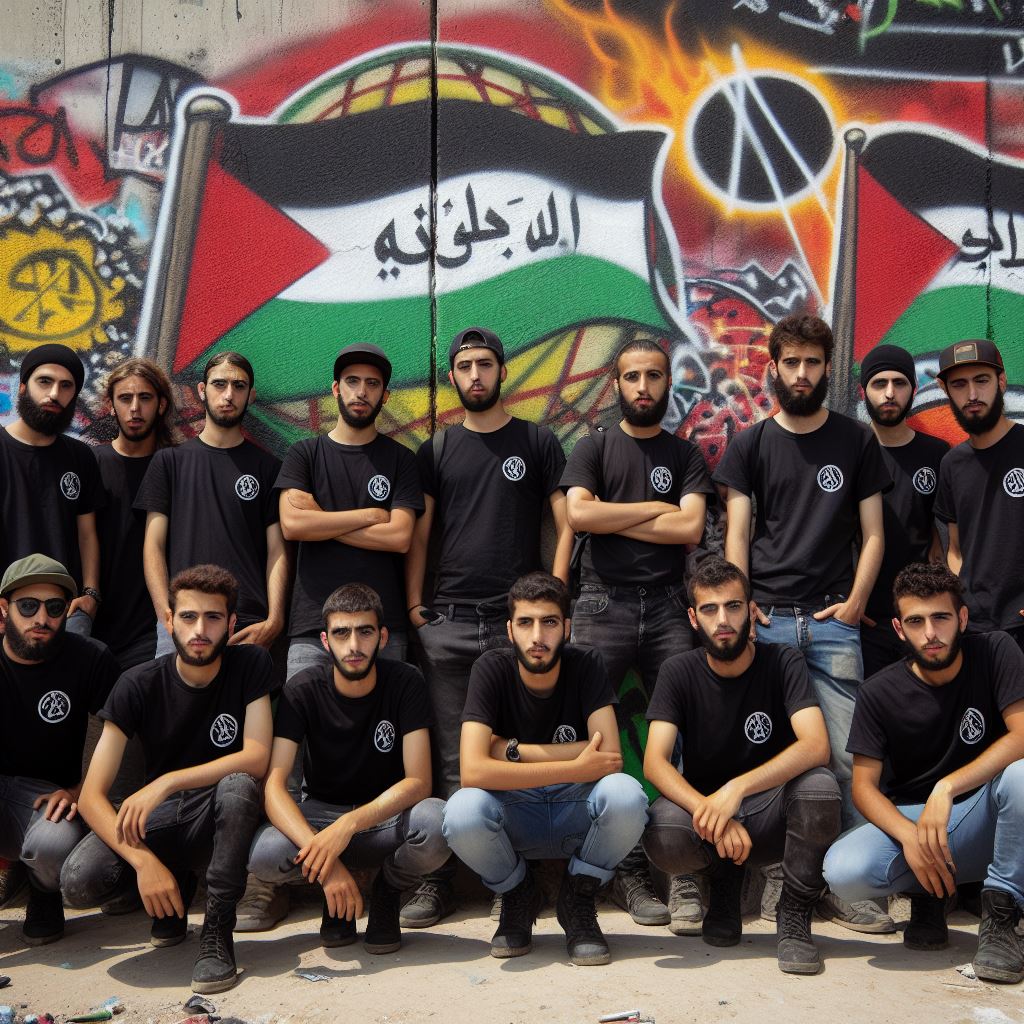
In the volatile region of the Middle East, one of the longstanding and complex conflicts continues to capture headlines and debate – the Israel and Hamas conflict. The decades-long battle between Israel and Hamas- a Palestinian Islamic political organisation created in 1987 which purpose is to eradicate Zionism to liberate Palestine- has caused immense suffering and posed significant challenges to achieving lasting peace. This blog post aims to shed light on the root causes of the conflict, the recent conflicts, and the importance of finding a sustainable solution.
Advertisements
Understanding the roots of the conflict
The complexity of the Israel and Hamas conflict can be traced back to early 20th-century events, including the Balfour Declaration, the United Nations Partition Plan for Palestine, and the creation of the state of Israel in 1948, which resulted in a massive displacement of Palestinians. The subsequent Arab-Israeli wars, the occupation of Gaza, and the ongoing West Bank settlements have added fuel to the fire. The rise of Hamas as a militant resistance movement complicated the conflict further, with both sides unwilling to compromise on their core objectives.
Recent conflicts
In May 2021, the Israel and Hamas conflict erupted once again, sparking intense violence and human suffering. The underlying causes included increased tensions over the proposed evictions of Palestinian families in East Jerusalem, restrictions on religious gatherings during Ramadan, and subsequent clashes between Israeli security forces and Palestinian worshippers. This escalated into rocket attacks from Gaza and Israeli airstrikes, causing substantial casualties and destruction in both territories.
Furthermore, on 7th October, 2023 Hamas invaded Israel and engaged in the brutal assassination of nearly 1,200 innocent Israeli civilians. They raped women, decapitated babies, and burnt victims. This savage attack made the Israel Defence Forces (IDF) declare war against Hamas, and Israel began bombing Gaza and so far nearly 19,000 Palestinians have been killed, including civilians and children. This war continues in the present day, and it is believed it could last months before a ceasefire happens.
Impact on civilians
Regardless of the geopolitical agenda on either side, it is essential to highlight the immense humanitarian crisis these conflicts create. Innocent civilians – men, women, and children – suffer the brunt of the violence, experiencing loss of life, displacement, and trauma. The disproportionate impacts on the Gaza Strip, one of the most densely populated areas in the world, are particularly distressing; overwhelming infrastructure, healthcare systems, and basic necessities. As of now, Gaza cannot be inhabited safely.
The pursuit of peace
Finding a resolution to the Israel and Hamas conflict requires commitment, diplomacy, and recognising the legitimate rights and aspirations of both Israelis and Palestinians. It is crucial to recognise that peace is not a zero-sum game; it should be pursued through dialogue, negotiation, and mutual understanding. International pressure can play a pivotal role in facilitating dialogue and encouraging both parties to take steps towards de-escalation, ceasefires, and long-term agreements.
Moving forward, the international community states that it is essential to address core issues like the status of Jerusalem, the right of return for Palestinian refugees, border concerns, settlements, security, and the establishment of a viable Palestinian state. However, Israel does not like this idea. Trust-building measures, economic development, and investing in education and infrastructure in both Israel and the Palestinian territories can create a conducive environment for peace and stability.
Conclusion
The Israel and Hamas conflict continues to threaten stability and the prospects for peace in the Middle East. The ongoing violence only perpetuates hatred, suffering, and despair among both Israelis and Palestinians. Finding a lasting solution requires a collective effort from the international community, emphasising dialogue, compromise, and understanding. Ultimately, reaching a comprehensive and sustainable agreement will bring much-needed peace and secure the future and prosperity of both nations.
Here is a list of videos I have watched and found helpful when it comes to comprehending the Israel-Hamas conflict which is rapidly escalating. I chose a variety of contexts, including religious contexts, because this is a religious war; and understanding the religious significance of current actions being taken is helpful. I hope you enjoy these videos:
Advertisements
1. A Short History of Hamas (2023)
This video covers well the background of the militant, antisemitic, Palestinian group called ‘HAMAS’, which committed the festival massacre in Israel on the 7th October, 2023.
2. Mounting evidence paints clearer picture of sexual violence during Hamas terror attacks | DW News
This news video explains the grotesque details of the festival massacre which triggered Israel’s retaliation.
3. Why ‘Messiah prophecy’ haunts Netanyahu (2023)
This video explains the religious significance of the Israel-Hamas war. It gives context to longstanding Jewish prophecies.
4. Is Netanyahu attempting to start Armageddon?
This video also introduces the viewers to the religious-Christian significance of the events taking place between Israel and Hamas.
5. Netanyahu says Hitler didn’t want to kill the Jews, but a Muslim convinced him to do it
This video gives some extra historical context for World War II, and creates a relationship between such a history and current events.
The Israel vs. Palestine conflict has remained a geopolitical hotspot for decades, with ongoing tensions and intermittent flare-ups. As we look ahead to the year 2024, it’s essential to ponder the future of this conflict and consider potential outcomes. While it’s impossible to predict with absolute certainty, this blog post delves into ten projections for the Israel vs. Palestine conflict in 2024, based on current trends and historical events:
Advertisements
1. Renewed Peace Talks
Despite the challenges, international pressure and shifts in internal attitudes will likely lead to renewed peace talks between Israel and Palestine. The increasing recognition of a two-state solution as the most viable path to lasting peace will encourage both parties to come back to the negotiating table.
2. Shifting Political Dynamics
Changing political dynamics in both Israel and Palestine may yield new leadership and fresh perspectives. Younger generations with different priorities and approaches to conflict resolution may enter the political arena, paving the way for fresh initiatives and strategies.
3. Regional Cooperation
The conflict has long caused divisions in the Middle East, with countries choosing sides and adopting staunch positions. In 2024, we can expect to witness a newfound spirit of regional cooperation aimed at resolving the Israel vs. Palestine conflict. Shared interests in combating common threats such as terrorism, economic cooperation, and energy resources could facilitate greater collaboration.
4. Enhanced International Mediation
International mediators, including the United States, European Union, and the United Nations, will likely intensify their efforts to facilitate a resolution. Increased global focus, coupled with diplomatic pressures, will aim to alleviate the suffering of both Israeli and Palestinian communities.
5. Increased Economic Cooperation
Economic cooperation between Israel and Palestine could offer incentives for peace and stability. In 2024, we may witness greater collaboration in areas like trade, infrastructure, and tourism, leading to economic growth for both sides and diminishing financial disparities.
6. Erosion of Illegal Settlements
The international community’s condemnation of illegal Israeli settlements will likely gain further momentum by 2024. With growing global pressure, these settlements might begin to diminish, opening up the possibility for peaceful coexistence and increased goodwill in the region.
7. Advancements in Regional Security
Collaborative efforts to combat terrorism and ensure regional security will likely gain traction. By working together, Israel and Palestine might find common ground in shared concerns, leading to improved security measures and the prevention of future conflicts.
8. Increased Interfaith Dialogue
Religious leaders on both sides will continue to engage in interfaith dialogue, which is crucial for fostering mutual understanding and respect. This dialogue will help bridge the gap between communities and contribute to a more harmonious coexistence.
9. Technological Advancements for Peace
Advancements in technology could play a pivotal role in fostering peace in the region. From using artificial intelligence for conflict resolution to utilising social media platforms for dialogue, technology-driven initiatives might emerge as a powerful tool for reconciliation.
10. Grassroots Movements for Peace
In 2024, grassroots movements for peace between Israelis and Palestinians will continue to gain momentum. Civil society organisations, youth groups, and peace activists, with the aid of social media platforms, will work tirelessly to promote dialogue, tolerance, and understanding.
Conclusion
While the Israel vs. Palestine conflict is complex and deeply rooted, the year 2024 holds the potential for positive change. By focusing on renewed peace talks, shifting political dynamics, enhanced international mediation, economic cooperation, eroding illegal settlements, advancements in regional security, increased interfaith dialogue, technological advancements, and grassroots movements for peace, the path to a sustainable solution can be paved. It is essential for all stakeholders involved to embrace these predictions and work towards a future where Israelis and Palestinians can coexist peacefully and thrive.
The history behind the conflict between Israel and Palestine is complex and has a long history. Israel has decimated Palestine at the end of 2023. This genocide, which some refer to as ‘ethnic cleansing’ is a strong punishment. It is authoritarian; though much provoked through longitudinal and multigenerational attacks. Just getting to understand a timeline about how there are radically antisemitic Arab movements, and taking into account the myriads of attempts that have taken place to end the Jews is enough to at least feel concerned but empathetic. In other words, we must acknowledge that Palestine provoked this for a long time and that Jews have severe trauma from the war against the Nazis.
Advertisements
The Israel vs. Palestine conflict is a complex and protracted struggle that has spanned decades. Politicians, historians, and scholars have long debated the religious, political, and socioeconomic aspects of the conflict. However, it is crucial to acknowledge the critical role played by psychology in shaping the conflict. By exploring the psychological dimensions, we can better understand the motivations, emotions, and actions of individuals involved, paving the way for a more empathetic and nuanced understanding of this deeply rooted conflict.
1. Historical Context
To understand the psychology of the Israel vs. Palestine conflict, it is essential to delve into the historical backdrop. Both Israelis and Palestinians inhabit a land with deep cultural, religious, and historical significance to their respective communities. The trauma and collective memories of past events such as the Holocaust, the Nakba, and ensuing conflicts have shaped the identity and psyche of these nations.
1917
Balfour Declaration
Great Britain’s declaration made Jews migrate to Palestine, and these were not entirely welcome by the Arabs.
Arabs demanded ‘Arab independence and the end of the policy of open-ended Jewish immigration and land purchases with the stated goal of establishing a “Jewish National Home”.
The uprising coincided with a peak in the influx of immigrant Jews, some 60,000 that year – the Jewish population having grown under British auspices from 57,000 to 320,000 in 1935′
When the war against the Nazis took place, immigration to Palestine by Jews doubled. Palestinians supported Nazis during World War II, so unlike popular opinion; Jews were harmed by Palestinians at the time. This situation intensified in recurrence, as Jews were relentlessly attacked by Arabs.
1948
The Conflict Escalates
Eventually, as more Jews arrived, and in 1948 with Israel’s independence; things began to escalate to the point when the Jews planned to ethnically cleanse Palestine. Palestinians were therefore dispossessed.
SIGNIFICANCE FOR ISRAEL: “The more religious among the aspirants in the West regarded the return of the Jews to Palestine as a chapter in the divine scheme, precipitating the second coming of Christ and the creation of a pietist state there” (Pilger, 2011, The Ethnic Cleansing of Palestine, p. 24)
WHO STARTED THE CONFLICT? Palestine did, and incessantly persisted. Perhaps this is the most shocking part. The idea that Palestine was relentless in how it molested Israel.
THE START OF THE WAR: “Following the Declaration of the Establishment of the State of Israel on 14 May 1948, the Arab League decided to intervene on behalf of Palestinian Arabs, marching their forces into former British Palestine, beginning the main phase of the 1948 Arab–Israeli War.[35] The overall fighting, leading to around 15,000 casualties, resulted in cease-fire and armistice agreements of 1949″
FORENSIC ASSUMPTION: This and other provocations, along with Israel’s World War II traumas might have played a role in these outcomes which included the act of genocide as a retaliation.
1948-2021
Israeli-Arab (On and Off) War
The two states continued to fight and then make diplomatic agreements, only to fight again, and again. This has been going for a long time. Palestine at several times tried to help Nazis even in the 70s. Israel continued to retaliate in brutal ways due to relentless militant attacks from Palestine.
“Israel’s 1948 Plan D, mentioned in the preface, contains a repertoire of cleansing methods that one by one fit the means the UN describes in its definition of ethnic cleansing, and sets the background for the massacres that accompanied the massive expulsion”. (Pilger, 2011, The Ethnic Cleansing of Palestine, p. 24)
“And when the main objective became making Palestine exclusively Jewish rather than socialist, it was significantly the Labour movement within Zionism that instituted and implemented the ethnic cleansing of the local population.“(Pilger, 2011, The Ethnic Cleansing of Palestine, p. 37)
2021
Apartheid
“In April 2021, Human Rights Watch released its report A Threshold Crossed, making accusations that the policies of Israel towards Palestinians living in Israel, the West Bank and Gaza constituted the crime of apartheid. A further report titled Israel’s Apartheid Against Palestinians: Cruel System of Domination and Crime Against Humanity was released by Amnesty International on 1 February 2022”
Are Jews behaving in similar ways to how the Nazis behaved during World War II?
Yes, this could be generational trauma, experiences of reaction formation in relation to the status quo ante; and ultimately disproportionate displacement, as new generations in Palestine have to pay for the errors of their ancestors. So indeed, they are behaving similarly to how the Nazis behaved with the Jews. The reaction formation is serious, and it is concerning to understand the intergenerational introjections from the Nazi control.
On October 7, Hamas invaded Israel and killed hundreds of Israelis in brutal ways which included sadistic rape. This was the trigger that led Israel to finally “end” the problem (BBC News, 2013) More than 18,000 Palestinians have been murdered, including many children. This is tragic because children are innocent (Beaumont, P, 2023, The Guardian).
Of course, Israel does not want to lose in the way that Nazi Germany humiliated them. But perhaps they have lost track of the proportions of force being used against Palestinians. It gets really complicated to touch the topic of Hamas, as it has caused so much suffering in Israel. Everything is a tragedy, that is for sure. Now Israel is committing a genocide since October. Much of the world population have expressed support for Palestine online.
Advertisements
2. Identity and Group Dynamics
The conflict between Israel and Palestine often revolves around identity, as individuals identify strongly with their respective groups. This group identity forms the basis for social cohesion, but it can also lead to discrimination, stereotyping, and even dehumanisation of the “other.” This sense of in-group solidarity has perpetuated a cycle of violence and retaliation, as each side tries to protect and assert its own identity.
3. Cognitive Bias and Perception
Psychological biases significantly influence individuals’ views and interpretations of conflicts. Confirmation bias, for example, leads people to interpret information in a way that supports their pre-existing beliefs, reinforcing the existing divisions. Similarly, the availability heuristic often leads people to rely on more accessible, emotionally charged information regarding traumatic events, perpetuating negative perceptions of the “other” group.
4. Trauma and its Impact
The Israel vs. Palestine conflict has had a profound impact on individuals and communities on both sides. Experiences of violence, displacement, and loss create long-lasting psychological trauma. This trauma can contribute to feelings of anger, mistrust, and the continuation of the cycle of violence. Furthermore, intergenerational trauma perpetuates the conflict as experiences and narratives are handed down from one generation to the next.
5. Moving Towards Resolution
Resolving the Israel vs. Palestine conflict necessitates recognising and addressing the psychological dimensions at play. Reconciliation efforts should focus on encouraging empathy, understanding, and dialogue between the two communities. Education and awareness campaigns can help combat stereotypes, promote critical thinking, and encourage mutual recognition of the other’s pain and narratives. Emphasising shared objectives, such as security, justice, and prosperity, can help rebuild trust and establish a common ground for meaningful negotiations.
6.What is the Israeli-Palestinian status quo?
Advertisements
Israeli music shows how aggressive the ego quo of Israel is at the moment, and at the heart of these cultural expressions lay revenge motivations. Whereas the Arab League’s music is also quite interesting though humbler. These cultural expressions give us a glimpse into the ego quo of these two- should I say- jurisdictions? Moreover, both artworks have the option to place English subtitles, translating the song lyrics. This is how one can usefully take a look at trends in these cultures.
Advertisements
7. So, is Israel Showing Fascist or Nazi Behaviours?
In regards to the question about whether Israel is being fascist, the answer is yes, and as expressed above, Israel is behaving in similar ways to Nazi Germany, but it is understandable. They cannot be Nazi because Nazi entails antisemitic; and Jews are not antisemitic. Then we have Zionists and anti-Zionists manifesting extremely against each other. The truth is that Israel is winning this war, and it was provoked incessantly; yet, a genocide was a very psychopathic response of retaliation, all of which might be the result of intergenerational trauma.
Conclusion
The Israel vs. Palestine conflict is complex, with religious, historical, and political dimensions central to the struggle. However, it is crucial not to overlook the psychological elements that contribute to the perpetuation of the conflict. By understanding the psychological aspects, we can develop more comprehensive and human-focused approaches to conflict resolution, fostering empathy, understanding, and ultimately, a path towards peace. It is only by addressing the psychological wounds and perspectives on both sides that a lasting solution can be achieved for the people of Israel and Palestine.