
Tag: England

  • The Case of Dawn Sturgess’ Novichok Poisoning: Who Did it?

    The Case of Dawn Sturgess’ Novichok Poisoning: Who Did it?

    Advertisements

    The poisoning of Dawn Sturgess was widely believed to be linked to a previous incident just a few months earlier, in which a former Russian spy and his daughter were also poisoned with Novichok in the nearby city of Salisbury. The UK government and international allies were quick to blame Russia for the attacks, leading to a diplomatic crisis between the two countries.

    However, as more details of the case emerged, a disturbing theory began to take shape – that the UK government was actually responsible for the poisoning of Dawn Sturgess. The evidence supporting this theory is extensive and compelling.

    Firstly, it is important to note that Novichok is an extremely rare and deadly nerve agent that is believed to be only produced by a few select countries, including Russia. The idea that a random person in a small town in England would come into contact with such a dangerous substance by chance is highly unlikely.

    Furthermore, it was discovered that Dawn Sturgess had come into contact with the Novichok nerve agent by handling a contaminated perfume bottle that was found in a park near her home. This raises serious questions about how such a dangerous substance ended up in a public place, and why the UK government was unable to prevent its spread.

    Additionally, it is worth noting that the poisoning of Dawn Sturgess occurred just days before President Trump’s visit to the UK, leading some to speculate that the incident was orchestrated to garner sympathy and support for the government in the face of criticism. This tragic event not only shocked the local community but also raised concerns about national security, as it highlighted the vulnerabilities within the country regarding foreign threats. Some observers argued that the timing of the poisoning was too coincidental to dismiss, believing it served as a calculated move to divert attention from ongoing political issues at home.

    As discussions intensified, media outlets began to analyse the implications of such incidents on international relations, further fuelling debates about the motivations behind the attack and its potential use as a political tool. The combination of heightened tensions and public outcry created a complex landscape for both the UK government and international leaders, forcing them to navigate a delicate balance between addressing pressing security concerns and maintaining diplomatic ties.

    Finally, the UK government’s handling of the case raised further suspicions among the public and international observers. They were quick to blame Russia without providing concrete evidence to back their claims, leading many to question the motivations behind such an assertion. Additionally, the investigation into the matter was shrouded in secrecy, with numerous details kept from the public eye, which only intensified pre-existing concerns.

    The lack of transparency and accountability in the government’s response not only left citizens feeling uneasy but also fuelled widespread speculation about potential collusion or complicity in the poisoning incident. As expert opinions varied and conspiracy theories spread like wildfire, the government’s failure to clarify its position and communicate effectively with the public further complicated the narrative surrounding this alarming case.

    In conclusion, the case of Dawn Sturgess’ Novichok poisoning raises serious questions about the UK government’s role in the incident. The evidence supporting the theory that they were responsible is bigger in scope than the evidence blaming Russia, and their handling of the case only adds to the suspicion. It is imperative that a thorough and independent investigation be conducted to uncover the truth behind this tragic event.

  • From Germanophobia to Cooperation: The England-Germany Relationship

    From Germanophobia to Cooperation: The England-Germany Relationship

    Advertisements

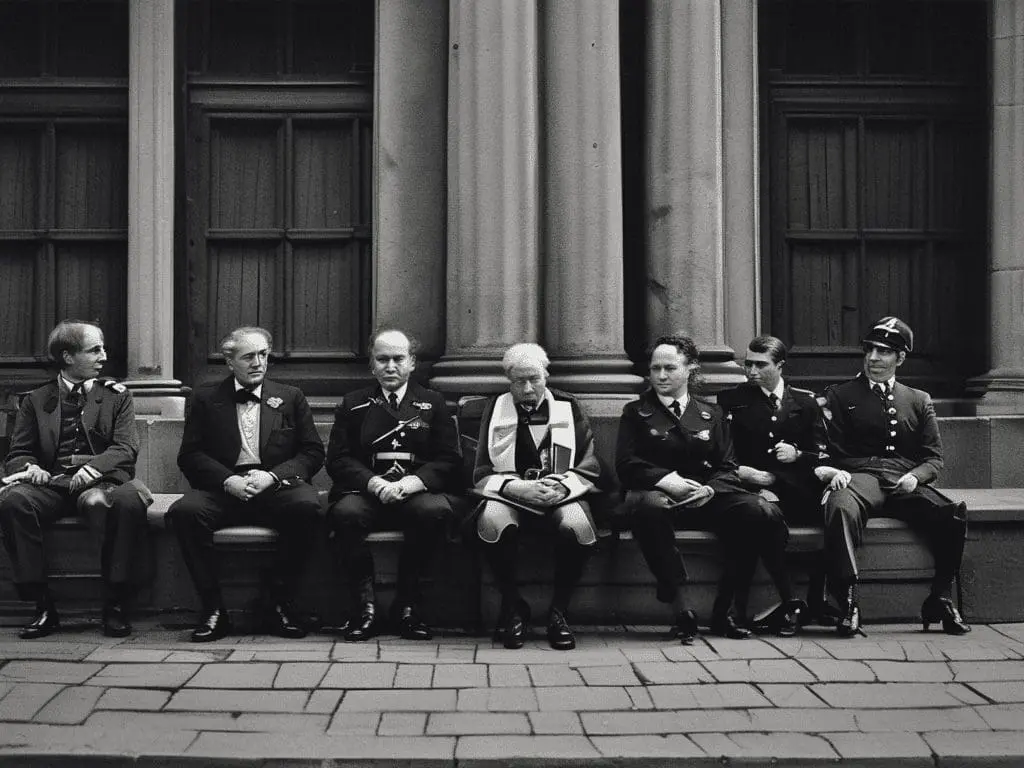
    This deep-seated fear and prejudice against Germany can be traced back to World War I, where England fought against Germany as part of the Allies. The war resulted in the deaths of millions of soldiers and civilians, as well as the economic devastation of much of Europe. The scars of this conflict were still fresh by the time World War II rolled around, pitting England once again against Germany in a bloody and devastating war.

    During World War II, the anti-German sentiment in England reached a fever pitch. Propaganda films and posters portrayed the German people as evil, barbaric monsters, and newspapers fanned the flames of hatred with sensationalist headlines. The bombing raids on British cities by the German Luftwaffe only served to strengthen this animosity, as the people of England lived in constant fear of the enemy overhead.

    After the war, while Germany was being rebuilt and reconciling with its past, England continued to harbour a deep distrust and dislike of the German people. This sentiment was further fuelled by the rise of the Cold War, where Germany was divided between East and West, and became a focal point of the ideological struggle between communism and capitalism.

    However, in the decades that followed, a remarkable transformation occurred in the relationship between England and Germany. The two countries began to work together on economic, political, and social issues, forging a partnership that has become fundamental to the stability and prosperity of Europe. The European Union, of which both nations were founding members, played a crucial role in this reconciliation, fostering cooperation and mutual understanding among its member states.

    Today, it may be easy to forget the dark days of Germanophobia in England, but it’s important to remember the lessons of history. Fear and hatred only serve to divide us, while empathy and cooperation can bring us together. As we navigate the complexities of Brexit and the challenges of the 21st century, let us never forget the power of forgiveness, reconciliation, and unity. Let us remember the past, but also look towards a future where England and Germany stand side by side as partners and friends.

  • Corruption in the Labour Party of the United Kingdom

    Corruption in the Labour Party of the United Kingdom

    Advertisements

    One notable case of corruption within the Labour Party involved former MP Fiona Onasanya, who was convicted of perverting the course of justice in 2019. Onasanya had been accused of lying about a speeding offence, and was subsequently found guilty and sentenced to three months in prison. This scandal not only tarnished the reputation of Onasanya, but also raised questions about the integrity of the Labour Party as a whole.

    Another troubling case of corruption within the Labour Party was the expenses scandal that rocked British politics in 2009. Several Labour MPs were found to have claimed expenses for items such as duck houses, moat-cleaning, and adult films, leading to public outrage and a loss of trust in the political establishment.

    These incidents of corruption within the Labour Party highlight the need for greater transparency and accountability in British politics. While it is essential for political parties to hold their members to high ethical standards, it is clear that more needs to be done to prevent corruption from taking hold in the future.

    In order to combat corruption in the Labour Party, the party leadership must take a firm stance against unethical behaviour and implement stronger measures to monitor and punish those who engage in corrupt activities. This may include conducting regular audits of expenses, implementing stricter codes of conduct, and holding party members accountable for their actions.

    Ultimately, it is up to the Labour Party and its leadership to root out corruption and restore public trust in the political process. By taking swift and decisive action against those who engage in corrupt behaviour, the party can demonstrate its commitment to integrity and accountability, and work towards a more transparent and ethical political system for the United Kingdom.