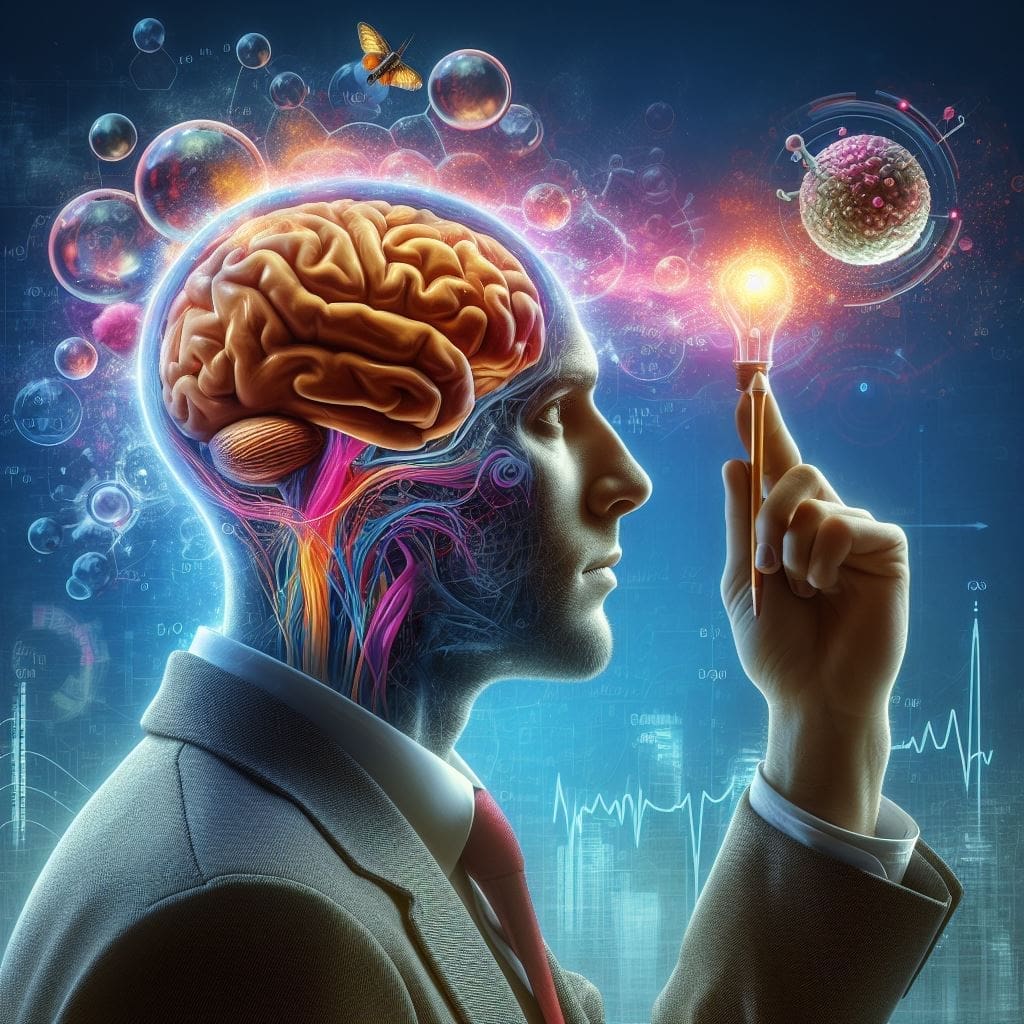
Tag: Brain

  • The Brain’s Bodyguard: Exploring the Role of the Cerebellum

    The Brain’s Bodyguard: Exploring the Role of the Cerebellum

    Advertisements

    One of the primary functions of the cerebellum is to integrate sensory information from the body with signals from the cerebral cortex to produce smooth and coordinated movements. For example, when we reach out to grab a cup of coffee, the cerebellum helps to ensure that our hand moves smoothly and accurately towards the cup without any jerky or irregular movements. It also helps to maintain posture and balance, allowing us to stand upright and walk without falling over.

    In addition to its role in motor control, the cerebellum is also involved in cognitive functions such as attention, language, and emotional regulation. Studies have shown that damage to the cerebellum can result in problems with executive function, memory, and impulse control. This highlights the complex and interconnected nature of brain function, with different regions working together to ensure that we can navigate the world around us effectively.

    Interestingly, the cerebellum has also been linked to conditions such as autism, ADHD, and dyslexia. Researchers have found that individuals with these disorders often have abnormalities in the structure and function of the cerebellum, suggesting that it may play a role in the development of these conditions. Understanding the role of the cerebellum in these disorders could potentially lead to new treatments and interventions to help improve outcomes for affected individuals.

    In conclusion, the cerebellum plays a vital role in our daily lives, helping us to move, balance, and coordinate our actions. Its involvement in cognitive functions further highlights its importance in ensuring that we can navigate the world effectively. While often overshadowed by the cerebral cortex, the cerebellum is a key player in the complex orchestra of brain function, and its role should not be overlooked.


  • Brain Regions Involved in Social Connection and Bonding

    Brain Regions Involved in Social Connection and Bonding

    Advertisements

    Research has shown that several key brain regions are involved in social connection and bonding. One of the most well-studied regions is the amygdala, a small almond-shaped structure located deep within the brain. The amygdala is known for its role in processing emotions, particularly fear and aggression, but it also plays a crucial part in social behaviours. Studies have shown that damage to the amygdala can impair the ability to form social bonds and understand social cues.

    Another important brain region involved in social connection is the prefrontal cortex, located in the front of the brain. The prefrontal cortex is responsible for higher-level cognitive functions such as decision-making, impulse control, and social behaviour. This region plays a crucial role in recognising social cues, understanding others’ emotions, and forming and maintaining social relationships.

    Additionally, the mirror neuron system is another brain region believed to be involved in social connection. Mirror neurons are a type of neuron that fire both when an individual performs an action and when they observe someone else performing the same action. This system is thought to play a role in empathy, imitation, and understanding others’ intentions, all of which are crucial for forming social bonds.

    Finally, the oxytocin system is a key player in social bonding. Oxytocin is a hormone released by the brain in response to social interactions such as touching, hugging, or bonding with others. This hormone is often referred to as the “love hormone” or “bonding hormone” because of its role in fostering feelings of trust and connection between individuals.

    Overall, the brain regions involved in social connection and bonding work together in a complex network to help us form and maintain relationships with others. Understanding the roles of these regions can give us valuable insights into the science of social behaviour and help us appreciate the intricate ways in which our brains facilitate our connections with one another.

  • Brain-Peptide Connection

    Brain-Peptide Connection

    Advertisements

    The brain-peptide connection is a complex and intricate system that involves the interaction between various peptides and their receptors in the brain. These peptides are produced in different parts of the brain and body, and they are involved in a wide range of functions, from regulating our appetite and sleep to influencing our emotions and stress responses.

    One of the most well-known brain peptides is oxytocin, often referred to as the “love hormone” or “bonding hormone”. Oxytocin is released in response to social bonding activities such as hugging, kissing, and sexual intimacy, and it plays a key role in fostering feelings of trust, empathy, and connection with others. Research has shown that higher levels of oxytocin are associated with increased feelings of wellbeing and reduced stress levels.

    Another important brain peptide is endorphin, which is often called the “feel-good hormone” because it is released in response to activities like exercise, laughter, and positive social interactions. Endorphins are our body’s natural painkillers, and they can help to reduce feelings of discomfort and boost our mood. Studies have shown that regular physical activity can increase endorphin levels in the brain, leading to a “runner’s high” and a sense of euphoria.

    In addition to oxytocin and endorphins, there are many other peptides in the brain that play a role in regulating our mental and emotional wellbeing. For example, ghrelin is a peptide that stimulates appetite and promotes food intake, while leptin is a peptide that helps to regulate energy balance and body weight. Neuropeptide Y is involved in regulating stress responses and anxiety, while corticotropin-releasing hormone (CRH) is a key player in the body’s response to stress.

    The brain-peptide connection is a fascinating area of research that has the potential to revolutionise our understanding of mental health and wellbeing. By studying how different peptides interact with each other and with the brain, scientists are beginning to unravel the complex mechanisms that underlie our thoughts, feelings, and behaviours.

    In conclusion, the brain-peptide connection is a vital aspect of our overall health and wellbeing. By understanding how peptides influence our brain function and mental health, we can develop new treatments and therapies to improve our quality of life and support our brain’s optimal functioning. So next time you feel a surge of happiness after a good workout or a warm embrace, remember that it’s all thanks to the intricate interplay between your brain and its amazing array of peptides.

  • Abnormal Brain Chemistry: Exploring the Complexities of Mental Health

    Abnormal Brain Chemistry: Exploring the Complexities of Mental Health

    Advertisements

    Understanding Brain Chemistry

    To comprehend abnormal brain chemistry, we must grasp the concept of normal brain chemistry. The brain relies on a delicate balance of neurotransmitters such as serotonin, dopamine, and norepinephrine, among many others. These chemicals play crucial roles in regulating mood, motivation, cognition, and other essential functions. When this balance is disrupted, it can result in a wide range of mental health disorders.

    The Role of Genetics and Environment

    Abnormal brain chemistry can have both genetic and environmental origins. Genetic factors can influence the production, release, and reuptake of neurotransmitters, thus affecting brain chemistry. However, it is essential to understand that genetics alone do not determine mental health outcomes. Environmental factors, like upbringing, stress, trauma, and substance abuse, can also disrupt brain chemistry, exacerbating the risk of mental health disorders.

    Impact on Mental Health

    Abnormal brain chemistry is often associated with various mental health disorders, including depression, anxiety, bipolar disorder, schizophrenia, and attention-deficit hyperactivity disorder (ADHD). For instance, individuals with depression typically exhibit decreased levels of serotonin and norepinephrine in their brains. These imbalances can influence mood regulation, leading to persistent feelings of sadness, hopelessness, and lethargy.

    Additionally, abnormal brain chemistry can affect cognitive functioning, memory, and decision-making abilities. Neurotransmitter imbalances may impair an individual’s capacity to concentrate, plan, and process information effectively. This can manifest as attention deficits in conditions like ADHD or cognitive dysfunction in disorders such as schizophrenia.

    Seeking Effective Treatments

    Understanding the relationship between abnormal brain chemistry and mental health disorders is crucial for effective treatment strategies. Traditional treatment options often include medication, therapy, or a combination of both. Medications, such as selective serotonin reuptake inhibitors (SSRIs) and mood stabilisers, aim to restore the balance of neurotransmitters in the brain. Therapeutic modalities, like cognitive-behavioural therapy (CBT) or psychotherapy, provide individuals with coping mechanisms and tools to manage their symptoms effectively.

    Moreover, emerging research is shedding light on the potential of neuromodulation techniques, such as transcranial magnetic stimulation (TMS) and deep brain stimulation (DBS), in treating abnormal brain chemistry. These innovative therapies aim to directly modify and regulate brain activity, providing promising alternatives for individuals who are unresponsive to standard treatments.

    Conclusion

    Abnormal brain chemistry is a complex phenomenon afflicting millions worldwide. While its origins may lie in genetic predispositions or environmental factors, understanding the intricate workings of the brain is crucial for effective treatment and support. By continuing to unravel the complexities of abnormal brain chemistry, we pave the way for improved interventions, destigmatisation, and better mental health outcomes for those affected. Ultimately, a deeper comprehension of this topic can foster empathy, compassion, and a more inclusive approach to mental health care.

    Advertisements
  • Frontal Executive Deficits: Understanding the Brain’s Control Centre

    Frontal Executive Deficits: Understanding the Brain’s Control Centre

    Advertisements

    Understanding Frontal Executive Deficits

    Frontal executive deficits refer to a set of cognitive and behavioural impairments caused by damage or dysfunction in the frontal lobes of the brain. The frontal lobes, located at the front of the cerebral cortex behind the forehead, are responsible for higher-level cognitive functions, often referred to as executive functions. These functions include working memory, attention, planning, decision-making, impulse control, and social behaviour regulation.

    Causes and Risk Factors

    Frontal executive deficits can be caused by a variety of factors, such as traumatic brain injury, stroke, tumours, infections, neurodegenerative diseases (like Alzheimer’s disease), or developmental disorders (like attention deficit hyperactivity disorder – ADHD). Additionally, chronic drug and alcohol abuse can also lead to these deficits. Common risk factors may include advancing age, genetic predisposition, and certain medical conditions affecting brain function.

    Symptoms and Effects

    Individuals with frontal executive deficits may experience various cognitive, emotional, and behavioural symptoms. These can manifest as difficulties with planning and organising tasks, problems with attention and concentration, impaired decision-making abilities, reduced inhibitory control, emotional instability, impulsivity, decreased empathy, and challenges in social interactions. These symptoms can significantly impact daily life, professional performance, and personal relationships, making it crucial to identify and address them appropriately.

    Treatment and Management

    Treatment for frontal executive deficits depends on the underlying cause and severity of the impairment. In some cases, addressing the primary condition or injury through medications, surgeries, or rehabilitation therapies might help alleviate the deficits. Additionally, cognitive rehabilitation programs, which focus on compensatory strategies and skill-building exercises, can aid in restoring some executive functions. Behavioural interventions, including therapeutic techniques, counselling, and support groups, can also assist in managing emotional and behavioural symptoms associated with frontal executive deficits.

    Strategies for Coping and Support

    Alongside professional treatments, individuals with frontal executive deficits can adopt certain strategies to cope with daily challenges. These may include breaking tasks into smaller, more manageable steps, using visual aids and reminders, maintaining a structured routine, practising stress management techniques, seeking social support, and communicating openly with family, friends, and employers about their difficulties. Additionally, engaging in mentally stimulating activities, such as puzzles, reading, or learning new skills, can help maintain cognitive function and enhance overall well-being.

    Conclusion

    Frontal executive deficits represent a significant challenge for individuals affected by damage or dysfunction in the frontal lobes. Understanding the causes, symptoms, and treatment options is crucial in providing appropriate support and intervention. With advancements in medical science and rehabilitation techniques, there is hope for improving and managing these deficits. By nurturing resilience, adopting coping strategies, and fostering a supportive environment, individuals with frontal executive deficits can lead fulfilling lives, utilising their strengths while mitigating the impact of these cognitive impairments.

    Advertisements
  • Synaptic Plasticity: Unlocking the Wonders of the Brain

    Synaptic Plasticity: Unlocking the Wonders of the Brain

    Advertisements

    Synaptic plasticity refers to the ability of synapses to change their strength or efficiency in transmitting signals. It is the fundamental mechanism underlying learning, memory formation, and even recovery after brain injuries. Without synaptic plasticity, our brains would be stagnant, unable to acquire new knowledge or adapt to changes in the world around us.

    There are two main types of synaptic plasticity: long-term potentiation (LTP) and long-term depression (LTD). LTP strengthens the connection between neurons, while LTD weakens it. Both processes are critical for the brain’s ability to store information and modify its structure.

    When we learn something new, like a new skill or a new fact, LTP enables the synapses involved in that learning process to become more efficient at transmitting signals. It is like strengthening a pathway in the brain, making it easier for information to flow through and for that specific memory to be retained. This is why consistent practice is crucial for skill acquisition – it reinforces the synaptic connections involved in that skill.

    On the other hand, LTD plays an essential role in sculpting the brain’s connections. While LTP strengthens synapses, LTD weakens them. This process is necessary for the brain to eliminate unnecessary connections and refine its network. It allows the brain to adapt to changes in the environment, forget irrelevant or outdated information, and make room for new memories and skills.

    Synaptic plasticity is not only important for learning and memory but also for recovery after brain injuries or diseases. When a brain region is damaged, nearby neurons can undergo changes in synaptic strength to compensate for the lost function. This remarkable ability of the brain to rewire itself, called neuroplasticity, relies on synaptic plasticity to create new connections and restore functionality.

    Understanding synaptic plasticity has far-reaching implications in neuroscience and medicine. Researchers are studying how drugs or interventions could modulate synaptic plasticity to enhance learning and memory or alleviate cognitive deficits associated with neurological disorders such as Alzheimer’s disease or autism.

    In conclusion, synaptic plasticity is a fascinating phenomenon that allows our brains to learn, remember, and adapt. It provides the flexibility needed for our brains to constantly change and grow, sculpting connections and shaping our knowledge and abilities. As we continue to unravel the mysteries of synaptic plasticity, we pave the way for new therapies and interventions that could potentially enhance our cognitive abilities and improve lives for those affected by brain disorders.

    Advertisements