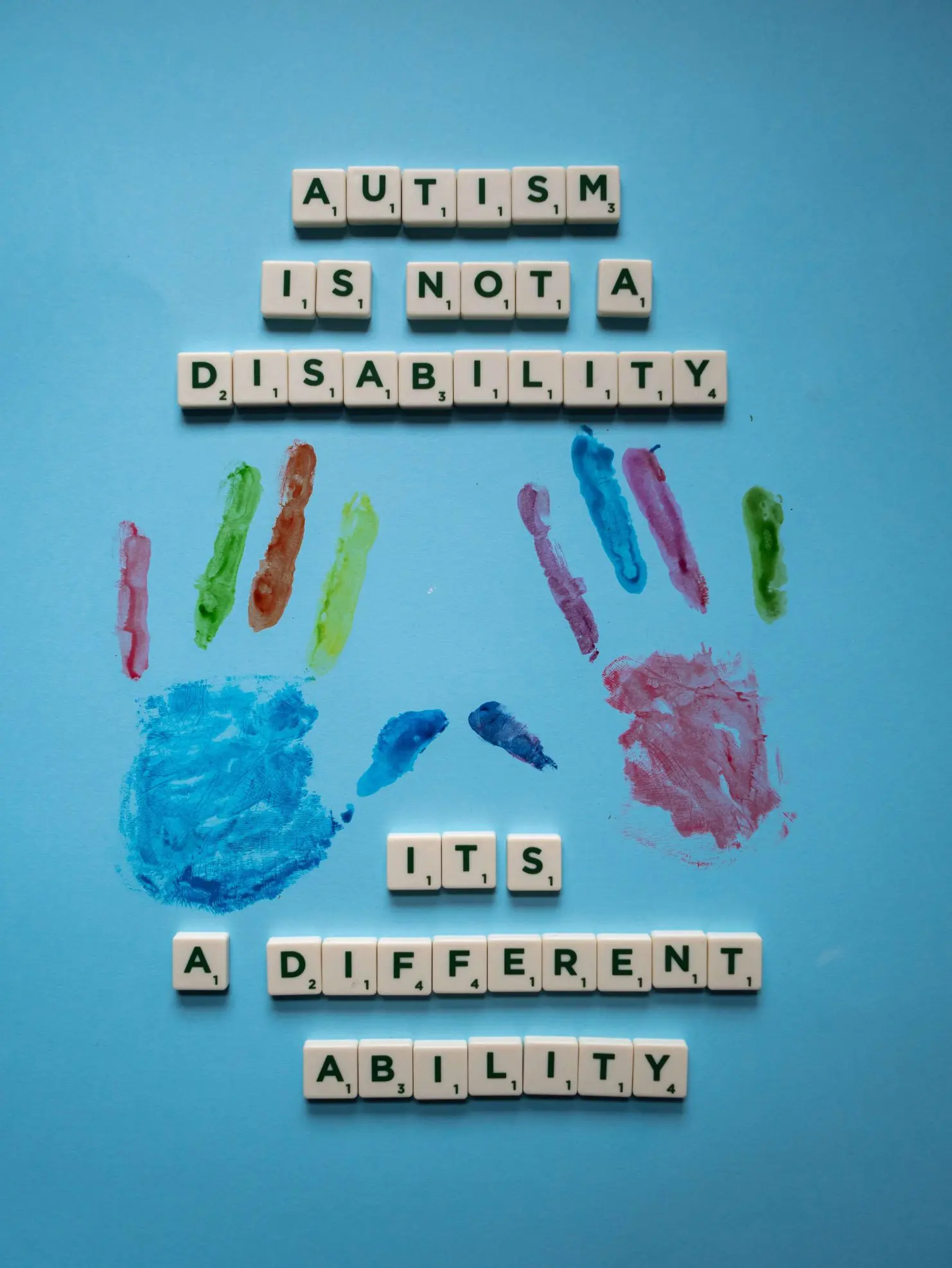
autism, also known as autism spectrum disorder (ASD), is a complex developmental condition that affects communication, social interaction, and behaviour. It is a spectrum disorder, meaning that individuals with autism can exhibit a wide range of symptoms and behaviours, varying in severity. While some individuals with autism may have difficulty with social interactions and communication, others may excel in certain areas, such as music, art, or maths.
Advertisements
One of the key characteristics of autism is repetitive behaviours and restricted interests. Individuals with autism may engage in repetitive actions, such as rocking back and forth, flapping their hands, or repeating the same phrases. They may also have narrow interests and become intensely focused on specific topics or activities.
Autism is typically diagnosed in early childhood, often around the age of two or three. However, some individuals may not receive a diagnosis until later in life. Early intervention is crucial for children with autism, as it can help improve their communication skills, social interactions, and behaviour. Treatment for autism may include speech therapy, occupational therapy, behavioural therapy, and in some cases, medication.
Despite the challenges that individuals with autism may face, many are able to lead fulfilling and successful lives. With the right support and accommodations, individuals with autism can thrive in school, work, and in their communities. It is important for society to be inclusive and understanding of individuals with autism, and to focus on their strengths and abilities rather than their limitations.
In recent years, there has been a greater awareness and understanding of autism, thanks to advocacy efforts and increased research. However, there is still much work to be done to ensure that individuals with autism receive the support and resources they need to reach their full potential.
If you or someone you know has autism, it is important to seek out resources and support. There are many organisations and support groups that can provide information and assistance to individuals with autism and their families. Remember, individuals with autism are unique individuals with their own strengths and abilities, and they have much to offer the world. Let us work together to create a more inclusive and accepting society for all individuals, regardless of their differences.
Asperger’s Syndrome, officially known as Autism Spectrum Disorder (ASD), is a developmental disorder that affects individuals’ abilities to communicate and socialise effectively. While Asperger’s syndrome doesn’t inherently lead to criminal behaviour, some studies suggest that individuals with ASD, including Asperger’s Syndrome, may have an increased risk of engaging in certain types of crimes. It is important that we examine this topic carefully, dispel any misconceptions, and promote understanding and support for individuals with Asperger’s syndrome.
Advertisements
1. The Connection Between Asperger’s Syndrome and Crime
It is crucial to understand that having Asperger’s syndrome does not mean an individual is more likely to be a criminal. However, certain factors associated with Asperger’s syndrome may contribute to a higher susceptibility to engaging in criminal behaviour. These factors include difficulties in socialising, impulsivity, obsessive interests, misinterpretation of cues, and difficulty with empathy and understanding others’ emotions.
2. Types of Crime Associated with Asperger’s Syndrome
Studies have shown that individuals with Asperger’s syndrome may be more likely to commit certain types of crimes, such as computer hacking, stalking, copyright infringement, or other misdemeanours related to their obsessive interests. While these offences can be serious, it is essential to note that the vast majority of people with Asperger’s syndrome do not engage in criminal behaviour.
3. Misattributions and Misunderstandings
Because individuals with Asperger’s syndrome may struggle with social interactions, they may inadvertently behave in ways that can be misinterpreted by others. Instances of “stalking” behaviour, for instance, may arise from a fixation or an obsession rather than malicious intent. It is crucial to educate law enforcement officials, legal professionals, and the general public about the distinctive traits and behaviours associated with Asperger’s syndrome.
4. Enhancing Support and Intervention
To prevent any potential issues, it is essential to focus on positive interventions and support systems. Early diagnosis and intervention can be crucial in helping individuals with Asperger’s syndrome navigate social interactions effectively, addressing any potential misunderstandings and reducing the likelihood of harmful behaviours. Psychologists, therapists, and educators can play a pivotal role in providing the necessary support and guidance.
5. Education and Awareness
Greater awareness and understanding of Asperger’s syndrome are invaluable in combating misconceptions and prejudices. By promoting open dialogue and education surrounding ASD, society can work towards reducing the stigma associated with Asperger’s syndrome and increasing acceptance. Schools, workplaces, and communities should strive to create inclusive environments where individuals with ASD, including those with Asperger’s syndrome, feel supported and empowered.
Conclusion
While it is important to acknowledge the potential connection between Asperger’s syndrome and certain crimes, it is crucial not to stigmatise or generalise all individuals with this disorder as criminals. Education, awareness, early intervention, and support are key components in helping individuals with Asperger’s syndrome lead fulfilling and productive lives, ensuring their involvement in society while fostering understanding and empathy among the wider population.
Autism is a complex spectrum disorder that manifests in various ways, affecting individuals’ social skills, communication, and behaviour. While most people are familiar with the classic autism presentation, there are other lesser-known profiles within the autism spectrum, one of which is Pathological Demand Avoidance (PDA). This blog post aims to shed light on PDA, exploring its definition, characteristics, and the challenges faced by those with this condition.
Advertisements
What is Pathological Demand Avoidance (PDA)?
Pathological Demand Avoidance (PDA) is a relatively new concept, first described by Elizabeth Newson in the 1980s. It falls under the umbrella term of autism, but it is considered a distinct profile due to its specific characteristics. PDA is most commonly recognised among individuals who display features of demand avoidance, extreme anxiety, and a need for control.
Characteristics and Challenges
1. Demand Avoidance: People with PDA possess an intense aversion to everyday demands and requests. They tend to resist even simple directives, often displaying oppositional behaviour, negotiation tactics, or attempts to divert attention from the request.
2. Anxiety and Obsession: PDA individuals often experience high levels of anxiety, stemming from a deep need for control over their environment and interactions. They may develop obsessions or repetitive behaviours as coping mechanisms.
4. Sensory Issues: PDA individuals might also struggle with sensory sensitivities, making certain environments or stimuli overwhelming. This added sensory burden can exacerbate their anxiety and resistance to demands.
5. Masking Abilities: PDA individuals may be highly skilled at masking their condition, mimicking typical behaviour when necessary. This ability to adapt can make it challenging to identify or diagnose PDA.
Support and Strategies
As with any autism spectrum disorder, early intervention and understanding are key to effectively supporting individuals with PDA. Here are a few strategies that can help:
1. Flexible and Collaborative Approaches: PDA individuals benefit from working with individuals who promote collaboration, provide choices, and employ a more flexible style of communication and interaction. Encouraging autonomy rather than imposing demands can greatly reduce anxiety.
2. Clear and Manageable Expectations: Setting clear expectations and breaking tasks into smaller, manageable pieces can help individuals with PDA navigate their daily routines. This allows them to feel more in control and reduces the likelihood of demand avoidance behaviours.
3. Promote Emotional Regulation: Teaching emotional regulation techniques is crucial for PDA individuals to manage their anxiety. Strategies like deep breathing exercises, mindfulness techniques, or using sensory tools can help calm and refocus their minds.
4. Sensory-Friendly Environments: Creating sensory-friendly environments by minimising unnecessary stimuli, allowing access to sensory tools, and providing quiet spaces help individuals with PDA feel more comfortable and in control.
5. Implement strategies for reducing demands and finding alternative approaches.
6. Seek professional help and support from healthcare professionals and specialists in PDA.
7. Continuously adapt and adjust strategies based on the individual’s needs and progress.
Conclusion
Pathological Demand Avoidance (PDA) is a complex autism profile that requires specific strategies and understanding for effective support. Recognising its unique characteristics and challenges is essential to create environments that accommodate and support individuals with PDA, allowing them to lead fulfilling lives as valued members of our society. By embracing neurodiversity and promoting inclusive practices, we can better enhance the well-being and opportunities available to those with PDA and other autism profiles.
According to the NHS (2019), ‘being autistic does not mean you have an illness or disease. It means your brain works in a different way from other people’. The core characteristics of autism are: (1) poor social communication; (2) poor social interaction; (3) sensory processing differences; (4) sensory sensitivity; (5) repetitive behaviours; and (6) obsessions and fixations on special interests. These characteristics can vary, and some individuals show two or three, whilst others might be more severely affected (Lincoln College, 2022). This blog post will explore these core characteristics, the unofficial subtypes of autism, and the complex process of diagnosis.
Individuals experiencing the behavioural abnormalities, will show a fixation on specific activities, tools, toys, etc. They may use these objects in particular ways. Furthermore, they may engage in repetitive behaviours such as hand flapping or spinning around, might become upset if their routine is disrupted, and will insist on maintaining consistency. Moreover, they might have unusual sensory interests, either a high or low tolerance to pain, unpredictable verbal outbursts, and might become upset at sensory intrusions. Finally, they might also engage in risky or self-injurious behaviour.
Individuals experiencing communication difficulties might have a delayed language development, speech difficulties and/or reliance on alternative communication methods, high levels of articulation, literal interpretation of words (i.e. lack of understanding of jokes or sarcasm), problems starting and maintaining conversations, stereotyped and repetitive use of phrases, a monotonous voice tone, and poor interpretation of body language or other forms of non-verbal communication.
Individuals experiencing social difficulties might struggle to form and sustain friendships, might show a lack of interest in social activities, might engage in inappropriate social responses, might have a lack of awareness of boundaries, might reject expressions of affection such as hugging, might prefer to role play, and might be naive, suggestible and overly trusty of others.
The Unofficial Subtypes of Autism
Due to current diagnostic manuals such as the DSM-V (American Psychiatric Association, 2013) and ICD-11 (World Health Organisation, 2019), individuals are generally given a diagnosis of Autism Spectrum Disorder (ASD) regardless of their profiles. Yet, there are unofficial categories used by the autistic community to understand differences better.
Individuals categorised as having Asperger’s syndrome tend to have a higher than average I.Q., and unlike other forms of autism, no speech or cognitive difficulties. However, interpersonal difficulties are prevalent for them, as they struggle to communicate and interact with others. Yet, the symptoms are invisible and difficult to spot. They may also have pathologies which affect their day to day life (Lincoln College, 2022). Asperger’s syndrome is no longer diagnosed (McCrimmon, 2018) but it is still generally seen as a subtype of autism. It is also believed that Asperger’s syndrome is a form of high-functioning autism (HFA) which according to Lincoln College (2022) entails a delay in development, an inability to read facial expressions, a hypersensitivity to light and noise, and a desire for socialisation without understanding how to effectively do it. Nevertheless, HFA is not diagnosable, although it is also recognised by autistic populations.
Individuals categorised as having Pathological Demand Avoidance (PDA) tend to have intersubjective difficulties and to avoid the demands of everyday life. This profile is not an universally recognised form of autism by healthcare professionals, however, it is still generally used by autistic populations. According to the National Autistic Society (n.d.), an individual with this profile ‘(a) resists and avoids the ordinary demands of life; (b) uses social strategies as part of avoidance, for example, distracting, giving excuses; (c) appears sociable, but lacks some understanding; (d) experiences excessive mood swings and impulsivity; (e) appears comfortable in role play and pretence; and (f) displays obsessive behaviour that is often focused on other people’. Furthermore, Lincoln College (2022) states that these individuals have an anxiety-based desire to remain in control all the time, and can become aggressive if they feel they are not in control. They also seem to get stressed out if anything is expected of them. However, if they feel comfortable, they seem normal.
Individuals labelled as having Kanner’s Autism also known as ‘Classic Autism’ are described as having impairments in communication, and a fixation on activities with restrictive or repetitive behaviour such as hand flapping. The criteria for this autism profile is: (1) an impairment in the use of non-verbal skills, poor eye contact, and an inability to interpret body language; (2) inability to make and maintain friendships; (3) inability to enjoy interests or share activities; (4) inability to respond appropriately to emotion in others; (5) delay in, or complete lack of language development; (6) repetitive use of language; (7) fixation on a particular interest; (8) inflexibility to change routines; and (9) repetitive physical movements (Lincoln College, 2022). However, this is not diagnosable.
Individuals diagnosed as having atypical autism are those whose pattern of behaviour fits most but not all of the criteria for other forms of autism. It can often be undiagnosed for many years as individuals tend to be given this label later in life.
Finally, individuals categorised as having Savant syndrome have skills which are uncommon to most people, as well as having the general characteristics of autism. Among the extraordinary abilities seen in savant autism are being able to mentally solve complex mathematical problems, having great memory for specific details of something, high quality artistic skills, and outstanding musical talent.
Diagnosing Autism
The advantage of diagnosing Autistic Spectrum Disorder (ASD) is that individuals and their families can find as much information as possible about the condition and engage in psychoeducation, which can foster a sense of relief. The diagnosis might help the individuals have more clarity about their difficulties, and might give them more insight into potential comorbidities or wrong diagnoses. Moreover, a personalised care plan with strategies can be devised for ongoing support in all sectors. Nevertheless, a disadvantage of diagnosis is that individuals have to live with the stigma (i.e. negative stereotyping) associated with psychiatric labels, and how the label can affect their relationships and lead to prejudice and discrimination. Furthermore, another disadvantage is that individuals might become depressed with the fact that autism has no cure. They might also experience more adverse circumstances as a result of having a diagnosed disability, and all these negative variables might lead the individual to internalise the label and to embrace the maladaptive behaviours associated with the label which shapes their identity (Lincoln College, 2022).
Diagnosis is usually done through a person’s GP; however, a paediatrician, a speech and language therapist, an educational psychologist, and/or a specialist psychologist might also need to be involved; and sometimes this multidisciplinary approach can take years before a diagnosis is given (Lincoln College, 2022). Moreover, information for diagnosis is also gathered from relatives, teachers and friends of the individual presenting with symptoms. The individual might be observed as he or she conducts activities and skills might be tested. Furthermore, professionals working with people with autism must take on board the National Institute for Health and Care Excellence (NICE; n.d.) guidelines. These specifically state that anyone working with autism should be skilled and competent and have tactful communication skills (Lincoln College, 2022).
There are several factors that influence the diagnosis of autism: (1) culture— behaviours classed as ‘abnormal’ by a society might bring attention and concern to others. Some countries might perceive different behaviours as ‘symptomatic’, whilst others might see the same behaviours as completely ‘normal’. Also, stigma might become a barrier to diagnosis; (2) age— even though the symptoms of autism can be spotted when the individual is 2-3 years old, many professionals refuse to make a diagnosis until later on. However, some professionals are also reluctant to diagnose adults; (3) sex— males tend to get a diagnosis of autism more than females. Some believe that this is due to how different the characteristics manifest, with girls being more able to hide the symptoms; (4) parental attitudes— some children might not get diagnosed because their parents cannot effectively spot the symptoms, or they might ignore these manifestations out of fear of being judged. Alternatively, parents might insist to the family GP that the child has a problem even if such is not the case; (5) coexisting conditions— autism often has mental and physical comorbidities, making it more difficult to pinpoint the exact cause for specific behaviours, and making diagnosis more complicated; and (6) genetic factors— autism has a genetic link that runs in families.
Furthermore, there are also barriers to diagnosing autism such as a lack of local services for autistic people, which means that a formal diagnosis with the necessary multidisciplinary specialists is not always possible as a GP might have limited knowledge of the condition. This might subsequently lead to individuals not being diagnosed for a long time, which might prevent them from wanting a diagnosis in the future. It can also lead to individuals not having a documented developmental history, which can affect the process of diagnosis. Moreover, another barrier to diagnosing autism is how subtle some of the symptoms can be, and how subjective the interpretation of these symptoms also is (Lincoln College, 2022).
References
American Psychiatric Association (2013a) Diagnostic Statistical Manual of Mental Disorders, 5th ed.
World Health Organisation (2019) ‘International Classification of Diseases – 11th Revision’ [Online]. Available at https://icd.who.int/en (accessed 22 February 2022).
According to Lincoln College (2022), autism as a word was first used to describe those who suffered from schizophrenia and who were also ‘withdrawn and self-absorbed’. In 1943, the word was first used to describe a condition of its own and individuals seemed perplexing to clinicians and were scrutinised heavily (Kanner, 1943); followed by the creation of Asperger’s disease in 1944. Later in the 1950s, it was believed that autism was a result of developmental trauma, and mothers of autistic children were heavily criticised as ‘refrigerator mothers’, indicating that they had no emotional warmth.
Eventually, during the 60s and 70s there were changes initiated by parents coming together (and forming the National Autistic Society), and by scientists recognising the disease as biological. This recognition led to segregation schools being implemented for autistic children before a genetic link was discovered in 1974. Yet, it was not until 1979 that a psychological model called ‘the triad of impairments’ was proposed which highlighted difficulties in social interaction, communication, and imagination skills. Then, in 1980 the DSM first recognised Autism Spectrum Disorder, and in 1989 the diagnostic criteria for Aspergers was created before being recognised in 1994. From there on there were national scientific and governmental initiatives to improve practice on understanding and working with autism. Finally, since 2009 World Autism Day has been celebrated.
Currently, there are still people who think that autism happens only to children, or that it is not a disability. Furthermore, only a minority of people understand that autism has no cure. This shows that even though there have been a lot of developments in the history of autism, many misconceptions still persist.
Theories
Initially, it was believed that autism was a form of schizophrenia. Furthermore, the way clinicians used to relate to autistic individuals was very derogatory and subjugating throughout history. Individuals with autism were labelled as ‘mentally retarded’, ‘idiotic’, ‘feeble-minded’, ‘slow or backwards’, or ‘autistic schizoid’ (Lincoln College, 2022). Now individuals are known to have a neurodevelopmental condition which they live with, and which has unique individual needs and no cure. Moreover, autism was considered to be a matter of moral degeneration until the genetic link was discovered and its biological construct was explored.
Kanner (1943) cited in Lincoln College (2022) was the first to propose that autism was a condition of itself and that it was not schizophrenia. This was a major breakthrough. Later on, Aspergers (1944) cited in Lincoln College (2022) proposed that ‘autistic psychopathy’ was the cluster of symptoms now known as ‘Asperger’s syndrome’. He believed that these individuals could not change because autism had no cure. He identified symptoms such as ‘lack of empathy’, and poor ability to make friends, among others. This was another breakthrough. However, autism is not the same as psychopathy, and this should be emphasised.
Moreover, Lincoln College (2022) also states that Wing’s and Gould’s (1979) theory was the first one to mention Aspergers syndrome in a research paper challenging Kanner’s theory and they introduced the model of the ‘triad of impairments’ (social interaction, communication, and imagination). Furthermore, Baron-Cohen et al. (1980) proposed the theory of mind (ToM) theory indicating that individuals with autism struggled to understand the mental states of others. It was stated that this impairment affected most or all aspects of the individual’s life.
Another theory was the ‘extreme male brain theory’ which states that autistic individuals have been exposed to higher levels of testosterone than the average population. This might explain why most autistic individuals are male. Furthermore, Baron-Cohen also proposed the ‘empathising-systemising theory’ which states that autistic individuals can only be empathic by imitating the behaviours of others without really understanding the subjective states of mind of others. This is because autistic individuals are more systematic than empathetic and adapt based on organisational, structural, normative, and routine schemas. This might explain why these individuals have interpersonal difficulties. Finally, the ‘autism spectrum condition’ theory states that individuals with autism have a life-long condition which can vary based on where they are in the spectrum which can range from interpersonal difficulties to verbal communication difficulties (Lincoln College, 2022).
Treatments & Interventions
Electroshock therapy was often used to treat autism in the past and treatments heavily relied on the use of medication. Autistic individuals were placed in asylums and separated from their families during treatment even though a cure does not exist. Nowadays, treatment takes place in the community most of the time, medication is only used where necessary, and psychotherapy is offered in order to help build coping and distress tolerance skills. Furthermore, in the past autistic individuals were segregated from society and placed in special schools. This is now known to have detrimental effects. Hence why nowadays autistic individuals are integrated into mainstream schools with extra support for their needs. Finally, in the past autistic individuals had little or no autonomy and were passive receivers of interventions; whereas now person-centred approaches are the norm, and individuals are encouraged to be autonomous and to live meaningful lives (Lincoln College, 2022) even though the mental health industry still has a lot to improve when it comes to co-production of care plans in general.
Furthermore, Lincoln College (2022) states that in the past autism was treated with medication on a trial and error basis, sometimes having dangerous and now-illicit substances administered such as LSD. Of course, this was harmful. Moreover, aversion therapy was used to operationally condition unwanted responses using punishment as the reinforcing method. Individuals were slapped on the wrist, splashed with cold water, and given electric shocks every time they displayed unwanted behaviours. This was done with the intention of extinguishing such behaviours, and was inhumane. Nowadays, this would be classed as unethical and degrading.
Needless to say, in the past individuals were excessively put through electro-convulsive therapies which consisted of electrocuting the individual’s head in order to forcefully and drastically alter the biological make-up of the brain. This practice is known to induce seizures, memory loss, and other effects. Sadly, this type of torture is still used as treatment in many countries, including the UK. There are several human rights movements such as the Citizens Commission on Human Rights (n.d.) which have made documentaries advocating against this form of therapy due to its many harmful effects. However, among the positive services offered to autistic individuals nowadays are community care (i.e. ensuring individuals are not hospitalised), speech and language therapy, occupational therapy, family therapy, behavioural therapy, medication, parent education, psychosocial treatments, and counselling (Lincoln College, 2022).