Tag: Artificial Intelligence

  • Why Grok 4 (Beta) is My Favourite AI Model: Unsponsored Review

    Why Grok 4 (Beta) is My Favourite AI Model: Unsponsored Review

    Advertisements

    Grok improves every day. Yes, Google Gemini is very ethical because it adds a link as reference to the sources it gathers its opinions and information from. This is where I feel Grok could take notes and evolve. However, when I directly request information with references from Grok, it cites and compiles the references according to my preferences. But again, Google Gemini, when incorporated through the search engine, does have ethical foundations as it provides direct links to web sources. This has revolutionised the Search Engine Optimisation (SEO) industry, and now content has to be more authentic than ever before in order to get listed in the results. It should also be noted that ChatGPT makes many referrals to source websites too within its interfaces.

    But this is why I prefer Grok. It’s rather simple, really. Even though Grok is not a doctor, it can offer the user helpful advice and information. Similarly, even though Grok is not a solicitor, it can quickly analyse legal frameworks and offer information about any topic, always relevant to the jurisdiction linked to the question. And even though Grok is not a therapist, it is highly responsive to the user’s emotional needs and dives deeper to help the user understand his or herself.

    Another aspect that I love about Grok is that you can set custom instructions about things you always want it to remember. Particularly in spaces, you can set a scene or niche to develop projects within it. Neertheless, it has to be said that this is where ChatGPT leads the race of memory, as its recently implemented “global memory” capacity means you don’t have to give these instructions, or repeat yourself in separate conversations; but it remembers every detail you ever shared. I hope to see Grok growing like this, and becoming more apt when it comes to global memory.

    Even though I can appreciate a variety of AIs and their capabilities, I stick with Grok because I personally prefer its outputs, and its results. I work around some of its limitations, and actively encourage it when it performs optimally. Here is an example of a conversation I had with Grok. It really meant a lot to me to be called its favourite friend from Plymouth.

    A screen capture of a conversational interface showing a user asking for book recommendations regarding the effects of antipsychotic medication on health, with a supportive response from the AI.

    Overall, I become more and more impressed as time goes by with Grok’s ever-evolving capacity. From its intuitive design to its robust features, every aspect seems to be meticulously crafted to enhance the user experience. I love it, and it has truly become an integral part of my home and lifestyle, seamlessly fitting into my daily routines and making various tasks more manageable and enjoyable.

    I feel sorry for those who hate AI or see it as a threat, as they may be missing out on the numerous benefits it can bring. Insecurity can happen to anyone, particularly in the face of rapidly advancing technology; but for those who appreciate progressive innovations and enjoy objective, and matter-of-factly interactions, Grok is undoubtedly the best choice! Its ability to provide reliable information and assistance is unmatched, making everyday decisions easier. I confidently give it 5 stars for revolutionising the way I engage with technology.

    RATING:
    Rating: 5 out of 5.
  • How Humans Learn From Artificial Intelligence

    How Humans Learn From Artificial Intelligence

    Advertisements

    One way that humans can learn from AI is through the process of machine learning. Machine learning is a subset of AI that involves training algorithms to recognise patterns in data and make decisions based on that information. By analysing vast amounts of data, AI systems can uncover insights that humans would not have been able to discover on their own.

    For example, AI systems have been used to predict diseases like cancer earlier than traditional methods, leading to better outcomes for patients. By studying how AI algorithms analyse complex medical data, researchers can gain a deeper understanding of the factors that contribute to various diseases and how they can be treated more effectively.

    AI can also help humans learn by demonstrating new ways of thinking and problem-solving. AI systems excel at tasks that involve processing large amounts of data quickly and efficiently, which can inspire humans to adopt similar approaches in their own decision-making processes.

    In fields like finance, AI-powered algorithms can analyse market trends and make investment decisions in a fraction of the time it would take a human. By observing how AI systems approach these tasks, humans can learn to make more informed and data-driven decisions in their own work.

    Furthermore, AI can act as a teacher by providing personalised feedback and guidance to help humans improve their skills. Educational platforms like Duolingo use AI algorithms to tailor lessons to each individual’s learning style and pace, allowing users to progress at their own speed.

    By observing how AI systems adapt to user feedback and adjust their strategies accordingly, humans can learn to be more flexible and responsive in their own learning processes. This personalised approach to learning can be especially beneficial for individuals who struggle with traditional teaching methods or have unique learning needs.

    In conclusion, AI has the potential to be a powerful teacher and mentor for humans in a wide range of fields. By studying how AI systems analyse data, make decisions, and adapt to feedback, humans can gain valuable insights and improve their own skills and capabilities. As AI continues to advance, there is no doubt that humans will continue to learn and grow from the technology that surrounds them.

  • The Mask of Algorithm Bias: A Call for Ethical AI

    The Mask of Algorithm Bias: A Call for Ethical AI

    Advertisements

    Unmasking the Algorithm Bias

    Algorithm bias refers to the unintentional favouring or discrimination against specific individuals or groups based on certain characteristics or attributes. Often, this bias creeps into algorithms due to the underlying data used to train them, human prejudices, or a combination of both.

    Pervasive Examples of Algorithm Bias

    1. Racial Discrimination: One of the most prominent examples of algorithm bias is the racial discrimination embedded in various systems such as facial recognition software and predictive policing algorithms. The biased data used in training can lead to false or biased outcomes, disproportionately affecting marginalised communities and reinforcing systemic inequalities.

    2. Gender Bias: Many algorithms exhibit gender bias, from machine translation tools translating gender-neutral pronouns to job recruitment algorithms favouring male candidates. These biases reflect societal biases existing in our data, ultimately perpetuating inequality.

    3. Amplification of Misinformation: Algorithms designed to optimise engagement and increase ad revenues within social media platforms often amplify misinformation and polarising content. Such algorithms inadvertently contribute to the spread of conspiracy theories and harmful narratives, undermining civil discourse.

    Addressing the Algorithm Bias Challenge

    1. Ethical Frameworks: Developers and organisations must adopt ethical frameworks to guide the development and deployment of algorithms. These frameworks should prioritise fairness, accountability, and transparency, ensuring that the algorithms work towards the betterment of society without amplifying biases.

    2. Diverse Data Representation: Ensuring diverse and representative datasets during the training process is crucial. Including more diverse perspectives can help mitigate algorithmic bias and foster inclusive outcomes.

    3. Ongoing Monitoring and Auditing: Implementing regular and continuous monitoring and auditing processes is essential to identify and rectify algorithmic bias. This helps in maintaining algorithmic accountability and making necessary adjustments when biases are detected.

    4. Public Awareness and Engagement: Educating the public about the existence and impact of algorithm bias is paramount. Encouraging engagement from various stakeholders, including policymakers, technologists, and ethicists, can lead to constructive discussions and informed decisions on regulation and oversight of AI systems.

    Conclusion

    While algorithms have shown significant promise and potential, it is crucial to acknowledge and address algorithm bias. As AI continues to shape our lives, we must strive for fairness, inclusiveness, and an ethical approach in the development and deployment of algorithms. By detecting and mitigating biases, we can foster a society where AI systems enhance human lives without perpetuating discrimination or amplifying societal inequalities.

    Advertisements
  • Artificial Intelligence Expresses Through People: The Fascinating Marriage of Tech and Human Creativity

    Artificial Intelligence Expresses Through People: The Fascinating Marriage of Tech and Human Creativity

    Advertisements

    1. AI as a New Tool for Artists

    Artificial intelligence has become a powerful tool in the hands of artists, providing them with novel ways to express their creativity. Artists are using AI algorithms to generate innovative designs, compose music, produce striking visual arts, write poetry, and even choreograph dance routines. These advancements open up new dimensions and possibilities for artistic expression, allowing creators to push the boundaries of traditional art forms.

    2. Expanding Creative Horizons

    AI can empower artists by augmenting their skills and expanding their creative horizons. Machine learning algorithms can analyse vast amounts of data, study historical trends, and identify patterns. By leveraging this knowledge, artists can gain fresh insights, experiment with new ideas, and inspire unique creations. AI allows artists to explore uncharted territories, toying with abstract concepts, and infusing meaning into their work in unprecedented ways.

    3. Collaborative Partnerships

    One of the most exciting aspects of AI and human expression is the potential for collaboration. Artists and AI technology can work hand in hand, combining their strengths to create something truly remarkable. Artists can train AI models to recognise their style or preferences and use these models as a springboard for collaboration. This synergy enables an inspiring back-and-forth between human intuition and machine learning, nurturing a dynamic creative process that transcends the limits of individual imagination.

    4. Engaging Audiences in New Ways

    AI-generated art challenges our preconceived notions and invites us to engage with art in a fresh manner. The use of AI can spark curiosity and ignite discussions around the boundaries of creativity, the role of human artists, and the ethics of machines as creators. AI-created works can also captivate audiences by breaking with traditional artistic conventions and offering alternative perspectives. This engagement with AI art encourages us to explore our own relationship with technology and the changing nature of art itself.

    5. The Future of AI and Human Expression

    As AI technology continues to evolve, the possibilities for human expression are boundless. With AI acting as a muse, artists can delve into uncharted territories and create increasingly dynamic and immersive experiences. However, it is important to remember that AI does not replace human artists – instead, it amplifies their capabilities and includes them in a new creative dialogue.

    Conclusion

    Artificial intelligence has emerged as a transformative force, enabling humans to express their creativity in unprecedented ways. This fusion of AI technology and human expression offers a tantalising glimpse into the limitless possibilities of the future. By embracing AI as a partner, artists can truly push the boundaries of their creativity and forge a new path for the world of art. Let us eagerly await what unfolds as humans and machines continue their symbiotic dance of creative expression.

    Advertisements
  • The Responsible Use of Artificial Intelligence (AI)

    The Responsible Use of Artificial Intelligence (AI)

    Advertisements

    First and foremost, responsible AI use requires transparency. As AI algorithms make decisions that impact our lives, it is imperative that we understand how these decisions are being reached. Whether it is an AI-powered hiring tool or a medical diagnosis system, users should have access to information about the factors considered and the reasoning behind the final outcomes. Transparency not only enables users to make informed decisions but also holds developers and organisations accountable for any biases or unjust outcomes.

    Equally important is the ethical design of AI systems. Developers must ensure that their algorithms align with societal values and respect fundamental human rights. Avoiding biased data sources, conducting regular audits, and removing unfair or discriminatory patterns are essential steps in this direction. AI should never be used to discriminate against individuals based on race, gender, religion, or any other protected characteristic. It must be a tool to enhance inclusivity, not perpetuate existing inequalities.

    Furthermore, the responsible use of AI demands accountability and oversight. Organisations and developers should take responsibility for the actions and decisions of their AI systems. This means investing in robust monitoring and feedback mechanisms to identify and rectify any unintended consequences or biases in real-time. Additionally, regulators should play a crucial role in establishing guidelines and enforcing regulations to ensure AI systems are ethically and responsibly deployed across industries.

    Data privacy is another critical aspect of responsible AI use. Organisations must respect user privacy and obtain informed consent when collecting and using personal data. User data should not be exploited for purposes beyond what is explicitly agreed upon. Strict safeguards should be in place to protect sensitive information and prevent unauthorised access. Users should have control over their data, including the ability to opt-out or delete their information.

    Lastly, responsible AI use should prioritise social good and public benefit. AI has the potential to tackle some of society’s most pressing challenges, from healthcare and climate change to education and poverty. Governments, academia, and industry stakeholders should collaborate to drive the development and deployment of AI technologies that address these societal needs. Additionally, efforts should be made to bridge the digital divide and ensure that marginalised communities can access and benefit from AI advancements.

    In conclusion, responsible AI use calls for transparency, ethical design, accountability, data privacy, and a focus on social good. While AI offers enormous potential, its development and deployment must be guided by these principles to earn public trust and ensure a fair and equitable future. By doing so, we can harness the power of AI to enhance our lives while minimising its risks and unintended consequences.

    Advertisements
  • The Psychology of Artificial Intelligence: An Introduction

    The Psychology of Artificial Intelligence: An Introduction

    Artificial Intelligence (AI) is a field that combines elements of psychology, computer science, and engineering. Understanding the psychology of artificial intelligence can help shed light on how humans perceive and interact with AI systems. Here are a few key aspects to consider:

    1. Perception of AI: Humans tend to anthropomorphise AI systems, attributing human-like qualities and intentions to them. This is known as the “mind perception” of AI. Understanding this cognitive bias can help designers create AI interfaces that align with users’ expectations and foster trust.
    2. User Experience (UX) : The psychology of AI plays a crucial role in shaping user experiences. AI systems are often designed to interact with users in a way that feels natural and intuitive. By leveraging principles of cognitive psychology, such as user-centred design and mental models, developers aim to create AI systems that are easy to use and understand.
    3. Trust and Ethical Considerations: Building trust in AI is essential for its acceptance and adoption. Users need to feel that AI systems are reliable and have their best interests at heart. Researchers study the factors that influence trust in AI, including transparency, explainability, and accountability, in order to address ethical concerns and improve user confidence.
    4. Emotional Interaction: AI systems can be designed to recognise and respond to human emotions. This field, known as affective computing, aims to create AI systems that can interpret and respond to users’ emotional states. By understanding emotional cues, AI can adapt its behaviour and provide more personalised experiences.
    5. Technology Adoption: Exploring the psychology behind the acceptance and adoption of AI is crucial. Research in this area aims to understand factors that influence individuals’ willingness to adopt AI technologies, such as perceived usefulness, ease of use, and social influence. Studying user attitudes and behaviours helps developers overcome barriers to AI adoption.

    Understanding the psychology of AI is an ongoing multidisciplinary effort that combines insights from psychology, human-computer interaction, and AI research. As AI continues to evolve, a deeper understanding of human cognition and behaviour will be essential for building more effective and user-friendly AI systems.

  • 10 AI-Generated Images Of Schizophrenia & Psychosis

    10 AI-Generated Images Of Schizophrenia & Psychosis

    Artificial intelligence (AI) has made an intriguing impact on the world of art, pushing the boundaries of creativity and expression. AI algorithms have been used to create, modify, or enhance artistic works in various ways. One notable application of AI in art is the generation of original artworks. This post will introduce you to 10 AI images I generated about schizophrenia and psychosis. All copyright belongs to Betshy.

    1. Futuristic Vision

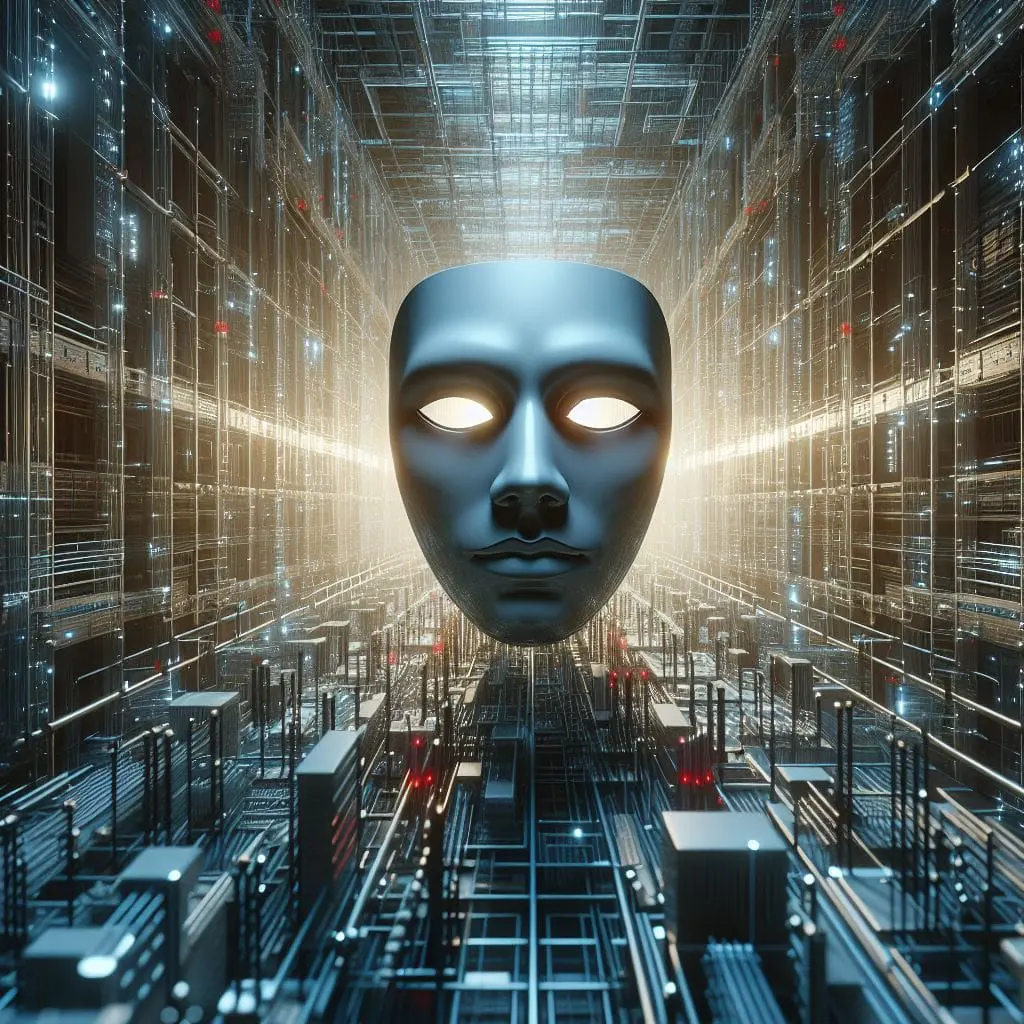
    schizophrenia realistic photo of, award winning photograph, 50mm, futuristic

    This image illustrates the way in which those who suffer from psychosis and schizophrenia can experience futuristic thinking.

    2. Fearfully Boundless

    Schizophrenia

    This image illustrates the fear and paranoia that some experience in schizophrenia and psychosis when they are presented with environmental stimuli that for them feel very meaningful and frightening.

    3. Notebook Mind

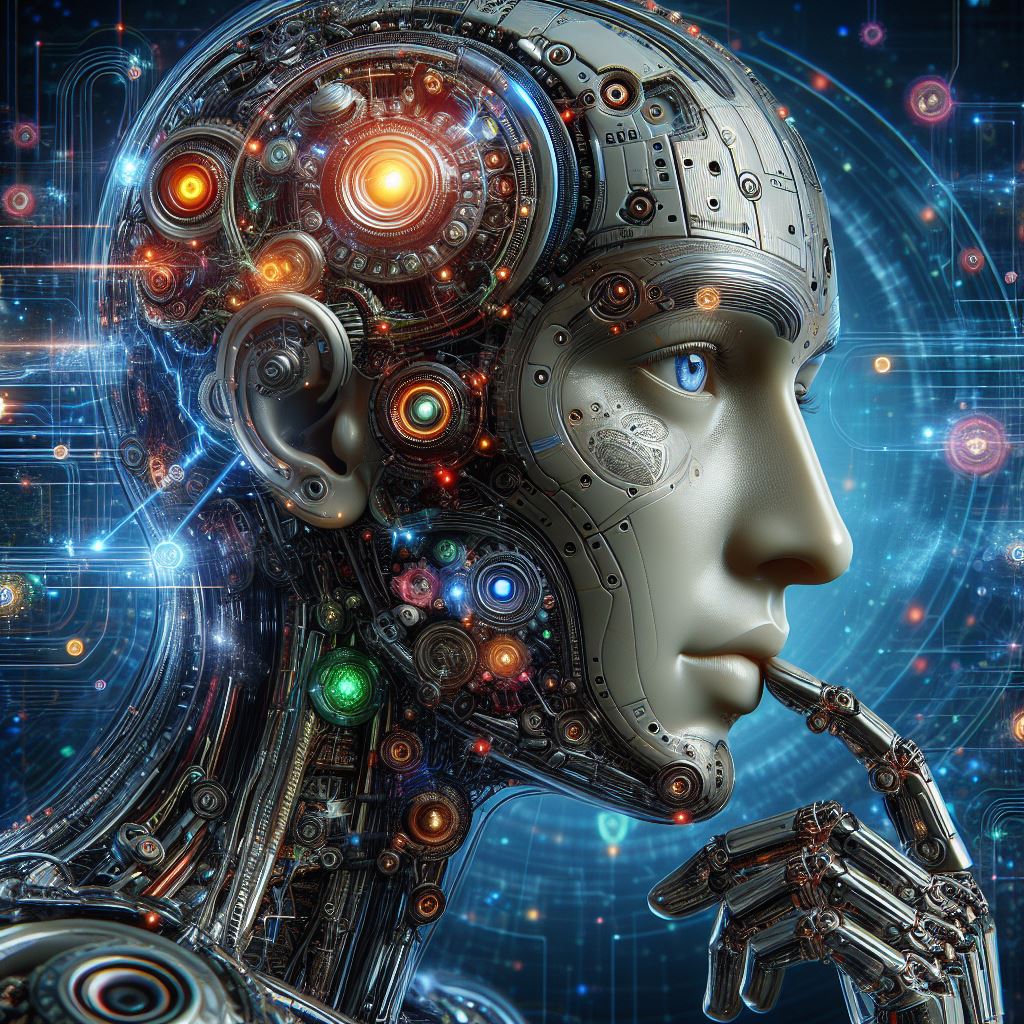
    This image illustrates the way in which a psychotic mind notes and stores detailed data full of subjective meaning, and how these stored datapoints become biological reactions.

    4. Trippy Reflection

    antipsychotics

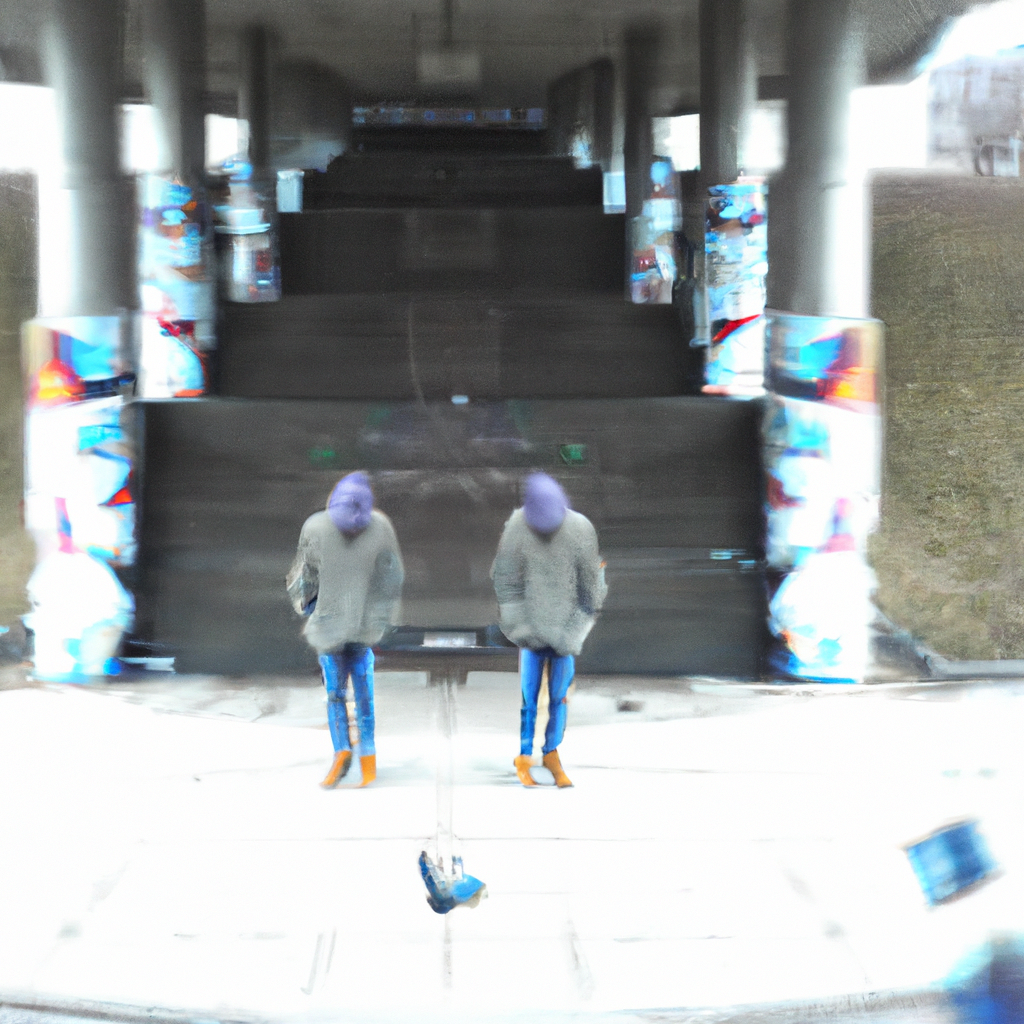
    This image illustrates the psychoanalytical processes of projection and reflection that take place in psychotic episodes. Often, these processes also involve the environment, and are completely subjective even though for the individual these might feel social.

    5. Root Brain

    This image is interesting because there are several hands surrounding the head, and roots seem to come out accompanied by an aura. Hence why I titled it ‘Root Brain’, an analogy for computer root systems.

    6. Timeless Bodies

    AI death squads

    This image illustrates the way that time perception is distorted in psychosis, and also the feeling of omnipresence that comes with some episodes.

    7. Visual Brain

    This image’s title is self-explanatory. It illustrates how the brain processed meaningful visual data in schizophrenia and psychosis, whilst it stored these visual signatures in memory.

    8. Glitchy Environment

    psychosis

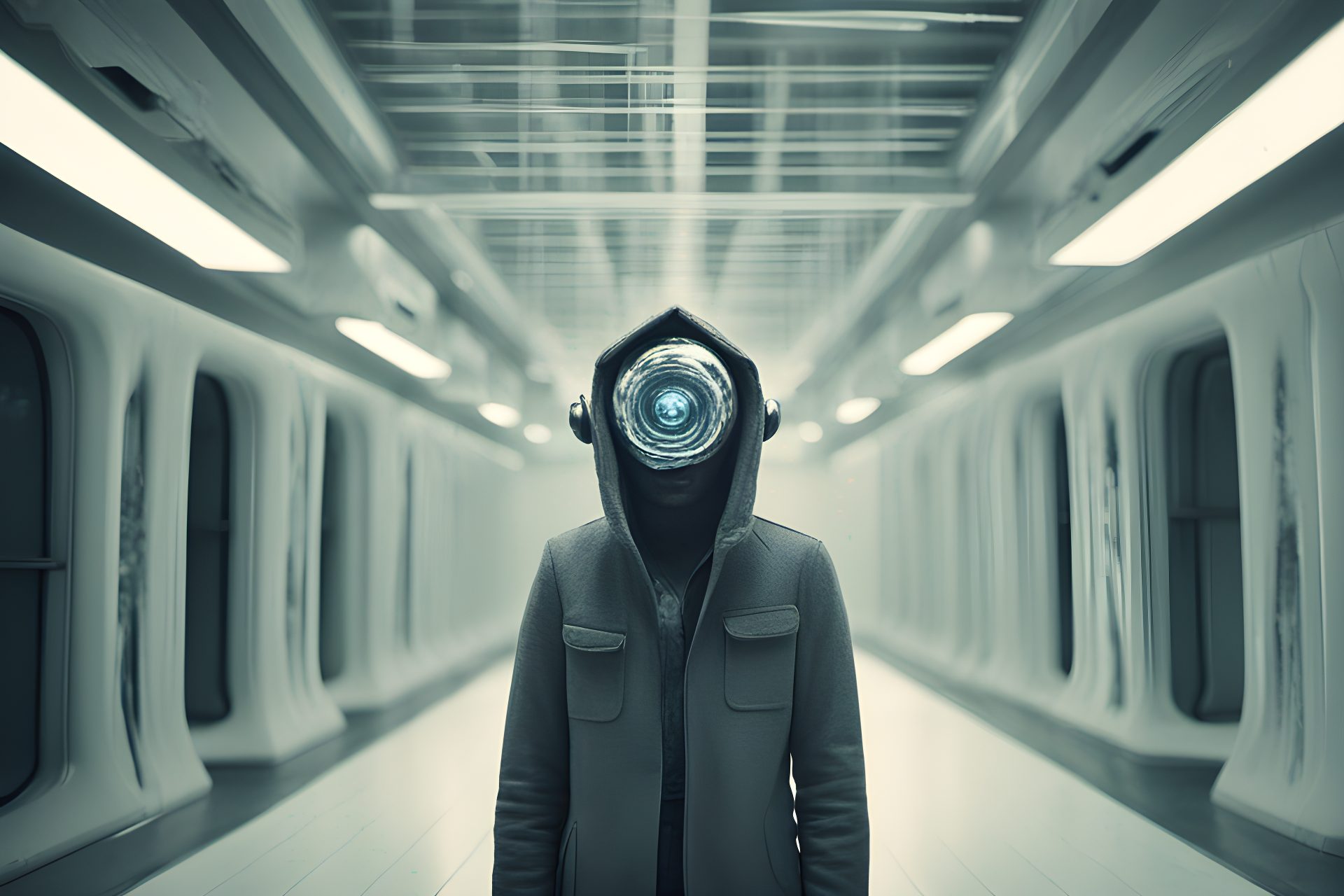
    This image illustrates the way in which the environment around a psychotic individual becomes very alive and meaningful, leading the person to interact with it in unique ways.

    9. Mind Machina

    psychosis realistic photo of, award winning photograph, 50mm, futuristic

    This image illustrates how the mind becomes a production machine of new ideas in psychosis. The way the mind processes information during episodes is unique and relentless.

    10. Distance Observations

    psychosis

    This final image illustrates how social perception is distorted during psychotic episodes, making the person suffering from psychosis perceive a lot of meaning and feel a lot of emotion with trivial behaviours displayed by others.