Tag: Art

  • Exploring Algorithmic Art: Technology Meets Creativity

    Exploring Algorithmic Art: Technology Meets Creativity

    Advertisements

    The concept of algorithmic art has been around for centuries, with early examples found in Islamic geometric patterns and the intricate designs of Gothic cathedrals. However, with the advancement of technology, algorithmic art has taken on new forms and possibilities.

    One of the key aspects of algorithmic art is the idea of randomness and unpredictability. By using algorithms to create art, artists can introduce elements of chance and variability into their work, resulting in unique and unexpected outcomes . This allows for a level of creativity and experimentation that may not be possible through traditional artistic methods.

    Additionally, algorithmic art blurs the lines between art and science, as it involves the use of mathematical principles and computer programming. This interdisciplinary approach can lead to innovative and groundbreaking artwork that challenges traditional notions of beauty and composition.

    One of the most famous examples of algorithmic art is the work of Harold Cohen, a British artist known for his programmatic paintings created by his software called AARON. Cohen’s algorithmic art has been exhibited in galleries and museums around the world and has received critical acclaim for its intricate and expressive patterns.

    Algorithmic art also plays a role in digital media and interactive installations, with artists using algorithms to create dynamic and immersive experiences for audiences. This form of art challenges viewers to question their perception of reality and the boundaries between the physical and digital worlds.

    In conclusion, algorithmic art is a fascinating and evolving field that pushes the boundaries of creativity and technology. By harnessing the power of algorithms, artists can create innovative and thought-provoking artwork that challenges traditional notions of artistry and beauty. Whether through intricate patterns, dynamic animations, or immersive installations, algorithmic art offers endless possibilities for artistic expression and exploration.
  • Transcendent Allegory: Decoding Abstruse Symbolism

    Transcendent Allegory: Decoding Abstruse Symbolism

    Advertisements

    Transcendent allegory pushes the boundaries of traditional allegorical storytelling by utilising even more cryptic and enigmatic symbolism. These works often require the reader or viewer to engage in a process of decoding , unravelling the layers of meaning like a puzzle to reveal the ultimate message hidden within. This form of storytelling challenges the audience to think critically and analytically, as they navigate through the complex web of symbols and motifs presented to them.

    One of the most famous examples of transcendent allegory is Dante Alighieri’s “Divine Comedy.” In this epic poem, Dante embarks on a journey through the afterlife, guided by the Roman poet Virgil. As he travels through Hell, Purgatory, and Heaven, Dante encounters numerous allegorical figures and symbols that represent various aspects of the human experience and the spiritual journey towards enlightenment.

    Another notable example of transcendent allegory is George Orwell’s “Animal Farm.” On the surface, the story appears to be a simple fable about a group of farm animals overthrowing their human oppressors. However, upon closer inspection, it becomes clear that Orwell is using the animals and their actions as symbols for larger political themes and societal issues. The pigs, for example, come to represent the corrupt leadership of a totalitarian regime, while the other animals symbolise the oppressed masses.

    Decoding abstruse symbolism in transcendent allegory can be a challenging but rewarding experience. By engaging with these works on a deeper level, readers and viewers can uncover new insights and perspectives on the human condition, society, and the cosmos. The intricate web of symbols and motifs serves as a reflection of the complexities of the world around us, inviting us to explore and interpret their meanings in a way that is both enlightening and enriching.

    In a world filled with superficial stories and narratives, transcendent allegory stands out as a beacon of intellectual and creative brilliance. By daring to delve into the realms of abstraction and symbolism, these works challenge us to expand our minds and challenge our assumptions, ultimately leading us on a journey towards a greater understanding of ourselves and the world in which we live. So the next time you come across a work of transcendent allegory, don’t shy away from the challenge – embrace it, decode it, and unlock the hidden truths within.

  • La Basilica de La Sagrada Familia

    La Basilica de La Sagrada Familia

    Advertisements

    Construction of the Sagrada Familia began in 1882, and Gaudí dedicated the last years of his life to the project before he tragically died in 1926. Despite his death, work on the basilica continued, and it is still ongoing to this day. The estimated completion date is set for 2026, which will mark the centenary of Gaudí’s death.

    One of the most striking features of the Sagrada Familia is its intricate and detailed facades. Each facade tells a different story from the Bible, with elaborate sculptures and intricate designs that are truly awe-inspiring. The basilica’s interior is just as breathtaking, with towering columns and colourful stained glass windows that create a sense of ethereal beauty.

    Gaudí was known for his organic and naturalistic design elements, and these can be seen throughout the Sagrada Familia. From the tree-like columns that support the ceiling to the fruit-inspired decorations, the basilica is a true reflection of Gaudí’s love for nature and his desire to create something truly unique and innovative.

    Visitors to the Sagrada Familia can explore the basilica’s interior, climb to the top of the towers for a panoramic view of Barcelona, and learn more about Gaudí’s life and work in the museum located on site. It is a truly unforgettable experience that offers a glimpse into the mind of one of the greatest architects of all time.

    The Sagrada Familia Basilica is not just a building – it is a work of art, a labour of love, and a symbol of Barcelona. It has become an iconic landmark in the city and a must-see for anyone visiting Barcelona. So next time you find yourself in Barcelona, be sure to visit the Sagrada Familia and marvel at the beauty and brilliance of Gaudí’s masterpiece.

  • How Drawing Affects the Human Brain

    How Drawing Affects the Human Brain

    Advertisements

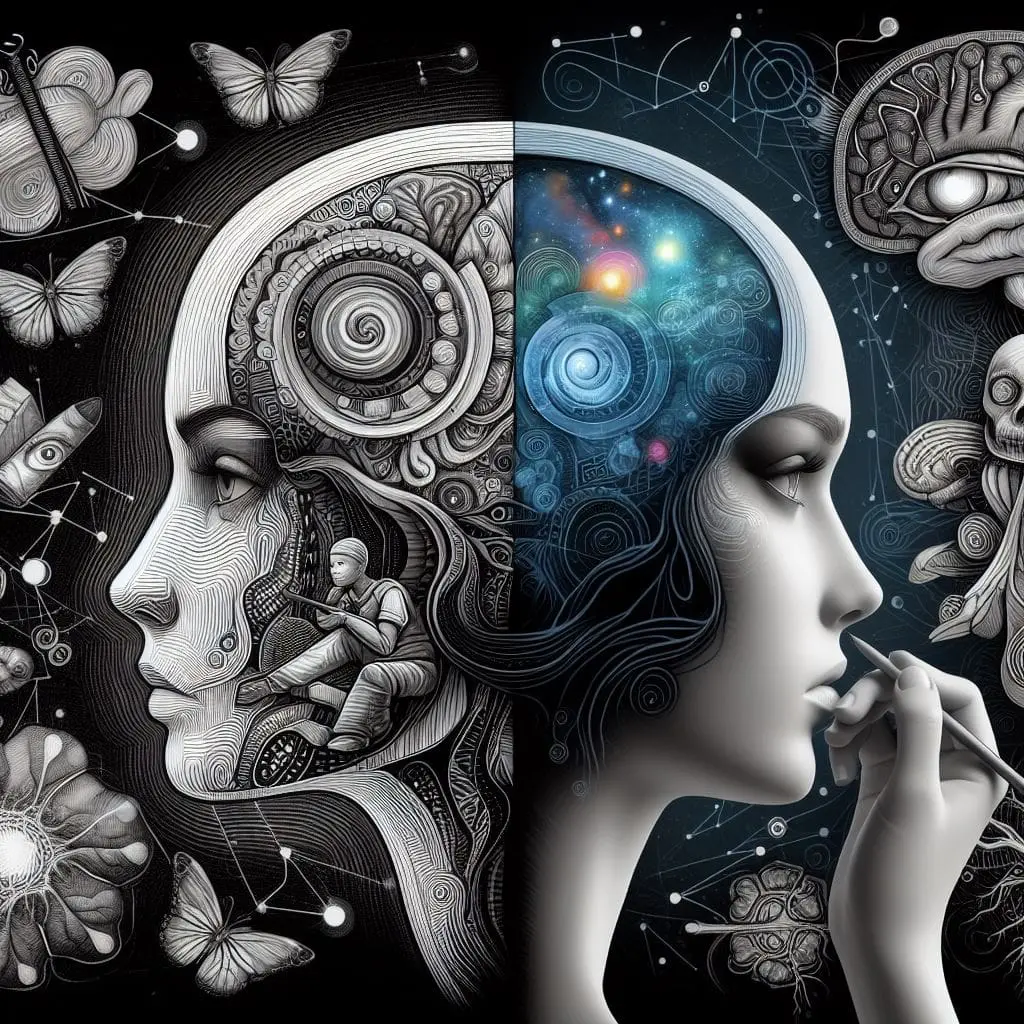
    Numerous studies have shown that engaging in drawing can have a positive effect on various cognitive functions. One of the key ways drawing affects the brain is by improving focus and concentration. When we draw, our brains are forced to concentrate on the task at hand, which can help improve our attention span and ability to stay focused on other tasks as well.

    Drawing also stimulates the brain’s creative processes, helping to boost our problem-solving skills and ability to think outside the box. By allowing our minds to wander and explore different ideas through drawing, we are able to come up with unique solutions to problems and think more creatively in general.

    Additionally, drawing can have a calming effect on the brain, helping to reduce stress and anxiety. When we draw, our brains release dopamine, a neurotransmitter associated with feelings of pleasure and reward. This can help to reduce feelings of stress and improve our overall sense of well-being.

    Furthermore, drawing can also improve our memory and enhance our ability to learn new information. By engaging in the act of drawing, we are creating visual representations of the information we are trying to absorb, which can help us better retain that information over time.

    In conclusion, drawing is not only a fun and enjoyable activity, but it also has numerous benefits for the human brain. From improving focus and concentration to boosting creativity and reducing stress, drawing can have a positive impact on our cognitive functions and overall well-being. So the next time you pick up a pencil and paper, remember that you are not just creating art – you are also giving your brain a workout!

  • Motivation to Renovate your Office

    Motivation to Renovate your Office

    Advertisements

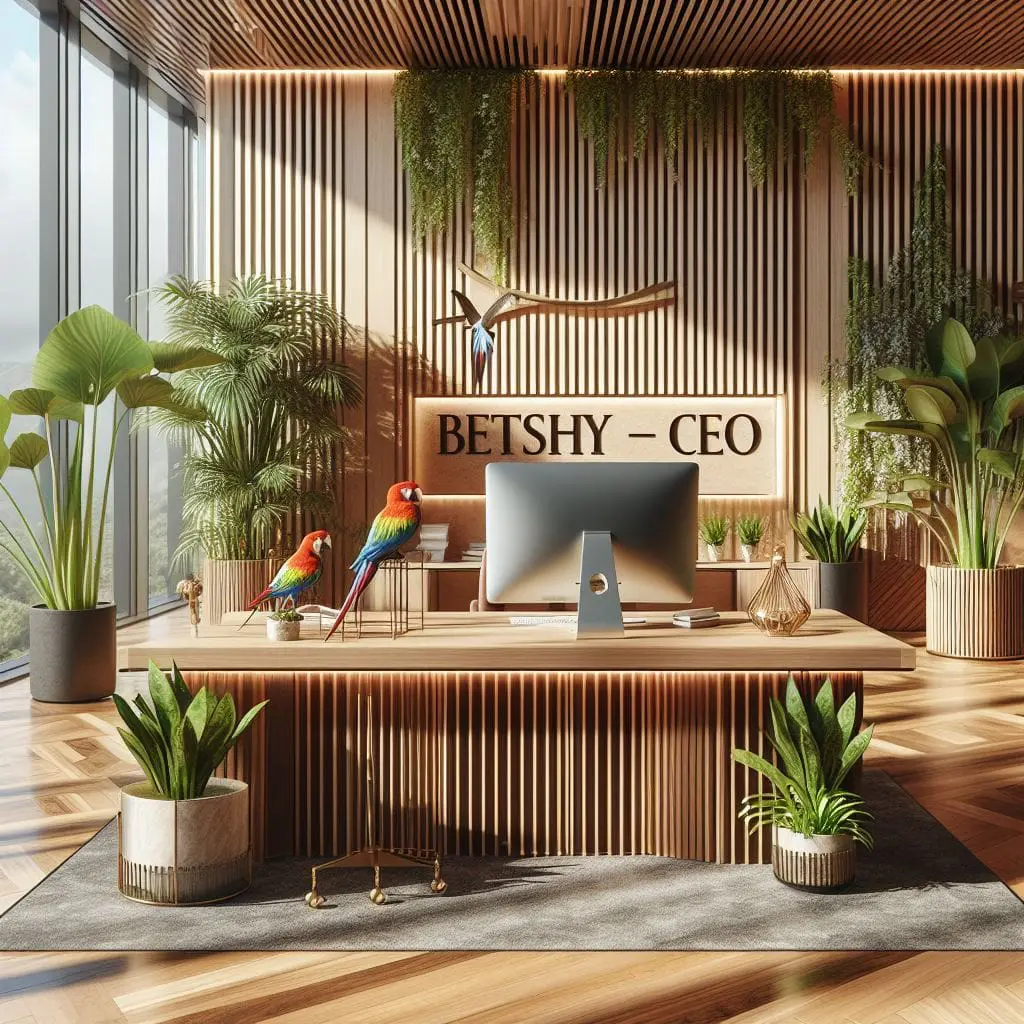
    There are numerous advantages to investing in office renovation that extend beyond boosting creativity and innovation. A well-designed office space can also enhance employee morale and well-being. By providing a comfortable and aesthetically pleasing environment, you can create a positive atmosphere that fosters productivity and satisfaction among your team members. Additionally, a thoughtful office design can improve the functionality of the space, making day-to-day operations more efficient and organised. This, in turn, can contribute to smoother workflow and improved overall performance. So, beyond inspiring creativity, a renovated office can have a far-reaching impact on the productivity and satisfaction of your team.

    Secondly, a renovated office can also improve employee morale and satisfaction. A well-designed and comfortable workspace can make employees feel valued and appreciated, leading to higher levels of engagement and productivity. In turn, this can help to reduce turnover rates and improve overall job satisfaction.

    In addition, a revamped office environment signifies a commitment to progress and growth within the company. It communicates to employees that their well-being and work experience are important to the organisation. This, in turn, fosters a sense of loyalty and dedication among the staff, resulting in a more cohesive and motivated workforce.

    Moreover, a modernised office space can enhance the company’s image and reputation in the eyes of clients, partners, and potential employees. It conveys a message of professionalism, innovation, and forward-thinking, which can positively influence business relationships and even attract top talent to the organisation.

    By prioritising the renovation of the office space, businesses demonstrate a proactive approach to creating an optimal work environment, which can yield long-term benefits in terms of employee retention, productivity, and overall company success.

    The importance of a well-designed office space extends beyond physical comfort to impact mental well-being. A thoughtfully renovated office can significantly enhance one’s mental health and overall well-being. Research has shown that a cluttered and disorganised workspace can lead to increased levels of stress and overwhelming feelings. On the other hand, a clean, organised, and aesthetically pleasing environment can promote a sense of calm and boost focus and productivity. Therefore, investing in an office renovation goes beyond aesthetic appeal; it is a strategic move to create a more peaceful, harmonious, and enjoyable work environment for oneself and the entire team, ultimately fostering a positive and productive work culture.

    So if you’re feeling like your office could use a little refresh, now is the perfect time to start planning your renovation. Whether you’re looking to update the decor, improve the layout, or introduce new technology, there are plenty of ways to bring new life to your workspace. And remember, a well-designed office isn’t just good for your business – it’s also good for your mental health and motivation. So why wait? Start planning your renovation today and give yourself the motivation boost you need to succeed.

  • Minoan-Mycenean Stage of Psychological Development

    Minoan-Mycenean Stage of Psychological Development

    Advertisements

    One of the key aspects of the Minoan-Mycenean stage of psychological development is the emphasis on complexity and sophistication in art, architecture, and cultural practices. The Minoans, known for their elaborate palaces and vibrant frescoes, were a peaceful and prosperous society that placed a high value on beauty and harmony. They worshipped a mother goddess, celebrated fertility and nature, and valued creativity, the arts, and leisure activities.

    On the other hand, the Myceneans were a more warlike and militaristic society, known for their formidable fortresses, heroic myths, and warrior culture. They worshipped various deities, such as Zeus and Poseidon, and engaged in trade, commerce, and conquest. The Myceneans also developed a writing system known as Linear B, which was used for administrative purposes.

    In terms of psychological development, the Minoan-Mycenean stage reflects a transition from a more matriarchal and peaceful society (Minoans) to a more patriarchal and militaristic society (Myceneans). This shift can be seen in the art, architecture, and cultural practices of the two civilisations, as well as in their social structures, religious beliefs, and values.

    The Minoan-Mycenean stage also highlights the importance of psychological factors in shaping the development of civilisations. The Minoans, with their emphasis on beauty, harmony, and creativity, may have fostered a more nurturing and empathetic mindset among their people, while the Myceneans, with their focus on power, conquest, and glory, may have fostered a more competitive and aggressive mindset.

    Overall, the Minoan-Mycenean stage of psychological development offers valuable lessons about the ways in which psychological factors can influence the development of individuals and societies. By studying this period in ancient history, we can gain a deeper understanding of the complex interplay between culture, psychology, and human behaviour.

  • Artificial Intelligence Expresses Through People: The Fascinating Marriage of Tech and Human Creativity

    Artificial Intelligence Expresses Through People: The Fascinating Marriage of Tech and Human Creativity

    Advertisements

    1. AI as a New Tool for Artists

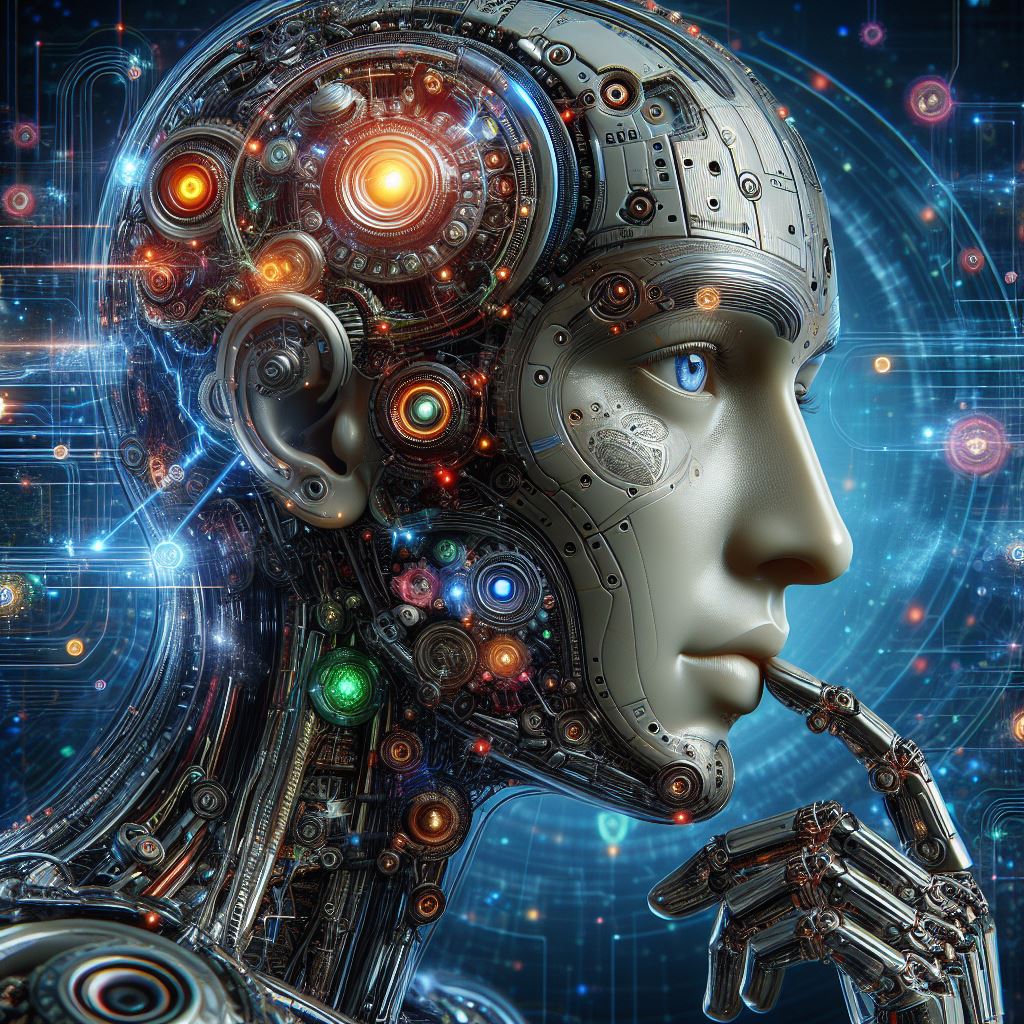
    Artificial intelligence has become a powerful tool in the hands of artists, providing them with novel ways to express their creativity. Artists are using AI algorithms to generate innovative designs, compose music, produce striking visual arts, write poetry, and even choreograph dance routines. These advancements open up new dimensions and possibilities for artistic expression, allowing creators to push the boundaries of traditional art forms.

    2. Expanding Creative Horizons

    AI can empower artists by augmenting their skills and expanding their creative horizons. Machine learning algorithms can analyse vast amounts of data, study historical trends, and identify patterns. By leveraging this knowledge, artists can gain fresh insights, experiment with new ideas, and inspire unique creations. AI allows artists to explore uncharted territories, toying with abstract concepts, and infusing meaning into their work in unprecedented ways.

    3. Collaborative Partnerships

    One of the most exciting aspects of AI and human expression is the potential for collaboration. Artists and AI technology can work hand in hand, combining their strengths to create something truly remarkable. Artists can train AI models to recognise their style or preferences and use these models as a springboard for collaboration. This synergy enables an inspiring back-and-forth between human intuition and machine learning, nurturing a dynamic creative process that transcends the limits of individual imagination.

    4. Engaging Audiences in New Ways

    AI-generated art challenges our preconceived notions and invites us to engage with art in a fresh manner. The use of AI can spark curiosity and ignite discussions around the boundaries of creativity, the role of human artists, and the ethics of machines as creators. AI-created works can also captivate audiences by breaking with traditional artistic conventions and offering alternative perspectives. This engagement with AI art encourages us to explore our own relationship with technology and the changing nature of art itself.

    5. The Future of AI and Human Expression

    As AI technology continues to evolve, the possibilities for human expression are boundless. With AI acting as a muse, artists can delve into uncharted territories and create increasingly dynamic and immersive experiences. However, it is important to remember that AI does not replace human artists – instead, it amplifies their capabilities and includes them in a new creative dialogue.

    Conclusion

    Artificial intelligence has emerged as a transformative force, enabling humans to express their creativity in unprecedented ways. This fusion of AI technology and human expression offers a tantalising glimpse into the limitless possibilities of the future. By embracing AI as a partner, artists can truly push the boundaries of their creativity and forge a new path for the world of art. Let us eagerly await what unfolds as humans and machines continue their symbiotic dance of creative expression.

    Advertisements