
Narcissism is a complex personality trait that is characterised by a grandiose sense of self-importance, a constant need for admiration, and a lack of empathy for others. While narcissism is often viewed as a negative trait, it is actually a common and adaptive behaviour that can be beneficial in certain contexts. However, when narcissism becomes extreme and pathological, it can lead to harmful consequences for both the individual and those around them.
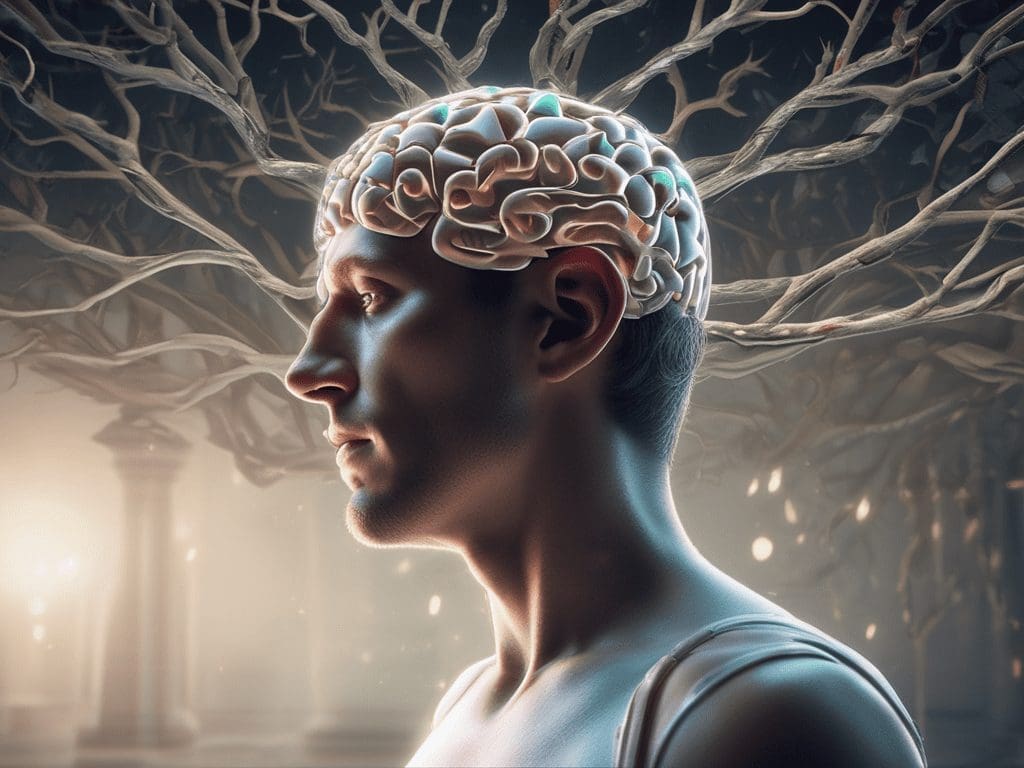
Recent research has shed light on the neurobiological basis of narcissism, revealing that individuals with high levels of narcissism may have differences in brain structure and function compared to those with lower levels of narcissism. One study found that individuals with narcissistic traits have reduced grey matter volume in areas of the brain associated with empathy, such as the anterior insula and medial prefrontal cortex. This suggests that narcissistic individuals may have difficulty understanding and empathising with the emotions and perspectives of others.
Furthermore, neuroimaging studies have shown that narcissistic individuals may have heightened activity in brain regions associated with reward and self-relevance, such as the ventral striatum and ventromedial prefrontal cortex, when they receive positive feedback or validation. This may explain why individuals with narcissistic traits are so motivated by praise and admiration, as these behaviours activate the brain’s reward system in a way that is not seen in individuals with lower levels of narcissism.
Importantly, the neurobiological basis of narcissism highlights the fact that narcissism is not simply a character flaw or a choice, but rather a complex interplay of genetics, environment, and brain functioning. While it is easy to dismiss narcissistic individuals as selfish or vain, understanding the underlying neurobiology of narcissism can help us to develop more effective interventions and treatments for individuals struggling with pathological levels of narcissism.
Ultimately, by studying the neurobiology of narcissism, we can gain insight into the underlying mechanisms that drive this complex personality trait and develop more targeted approaches to help individuals overcome the harmful consequences of extreme narcissism. By addressing narcissism from a neurobiological perspective, we can work towards promoting empathy, compassion, and healthy relationships in individuals with high levels of narcissistic traits.
Share this:

You Might Also Enjoy Reading