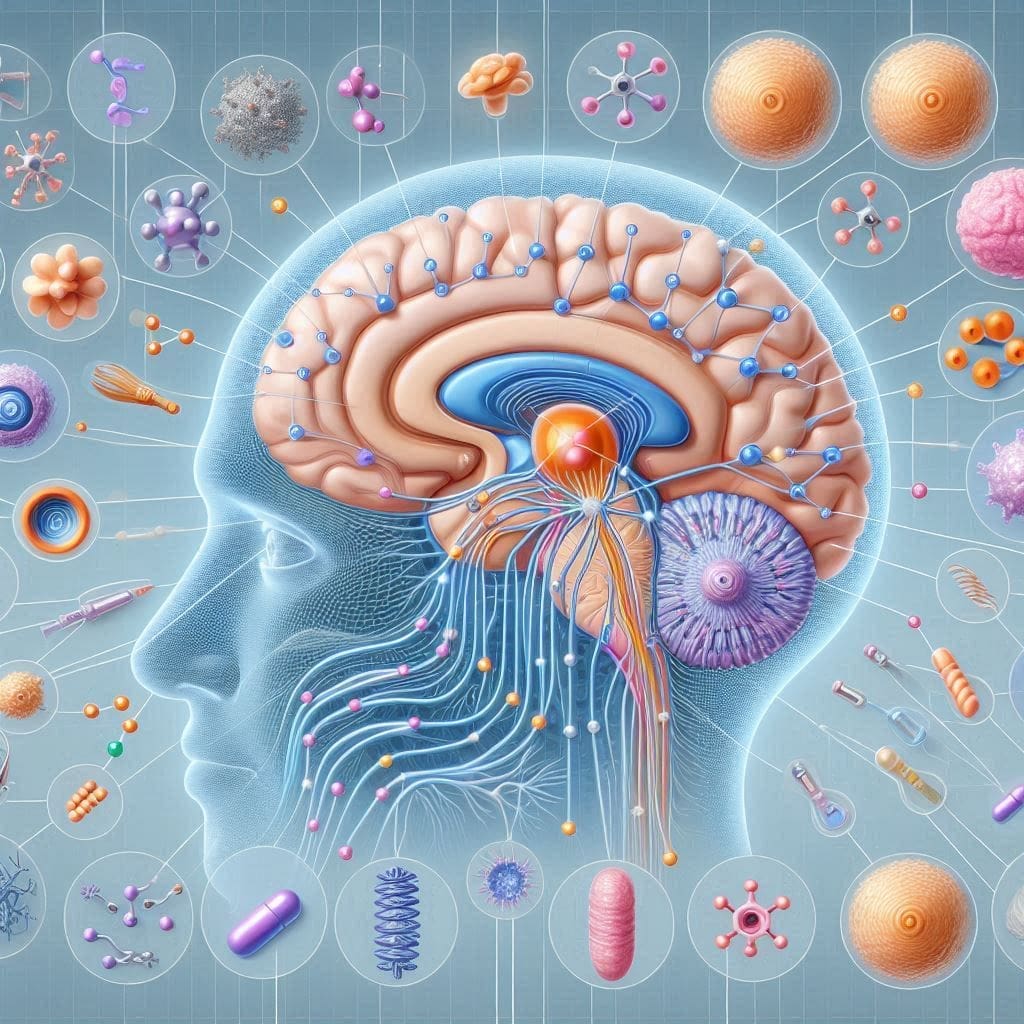


Paranoid Personality Disorder (PPD) is a mental health condition characterised by chronic and pervasive feelings of distrust and suspicion towards others. Individuals with PPD often interpret benign or neutral actions of others as hostile or malicious, leading to significant interpersonal difficulties. This disorder can have a profound impact on a person’s personal and professional relationships, as well as their overall quality of life.
The psychodynamics of PPD can be quite complex and multifaceted. Psychodynamic theory suggests that early childhood experiences and developmental factors play a significant role in the development of PPD. For example, individuals with PPD may have experienced significant trauma or neglect in early childhood, leading to a deep-seated mistrust of others. Additionally, individuals with PPD may have a history of insecure attachments and difficulties in forming and maintaining healthy relationships.

In addition to early childhood experiences, psychodynamic theory also emphasises the role of defence mechanisms in the development and maintenance of PPD. Individuals with PPD may utilise defence mechanisms such as projection and paranoid ideation to protect themselves from perceived threats. By projecting their own fears and insecurities onto others, individuals with PPD are able to maintain a sense of control and power in their relationships. However, these defence mechanisms can also exacerbate feelings of distrust and suspicion, leading to a perpetual cycle of mistrust and isolation.

Treatment for PPD typically involves a combination of therapy and medication. Psychodynamic therapy, in particular, can be a valuable tool in helping individuals with PPD explore and understand the underlying causes of their distrust and suspicion. By gaining insight into their thought patterns and behaviours, individuals with PPD can begin to challenge their maladaptive beliefs and develop more adaptive ways of relating to others.
In conclusion, the psychodynamics of Paranoid Personality Disorder are complex and multifaceted, involving a combination of early childhood experiences, defence mechanisms, and interpersonal difficulties. By addressing these underlying factors through therapy and medication, individuals with PPD can begin to develop healthier and more fulfilling relationships with others. With the right support and treatment, individuals with PPD can learn to overcome their mistrust and suspicion and lead more fulfilling lives.

Share this:

You Might Also Enjoy Reading