

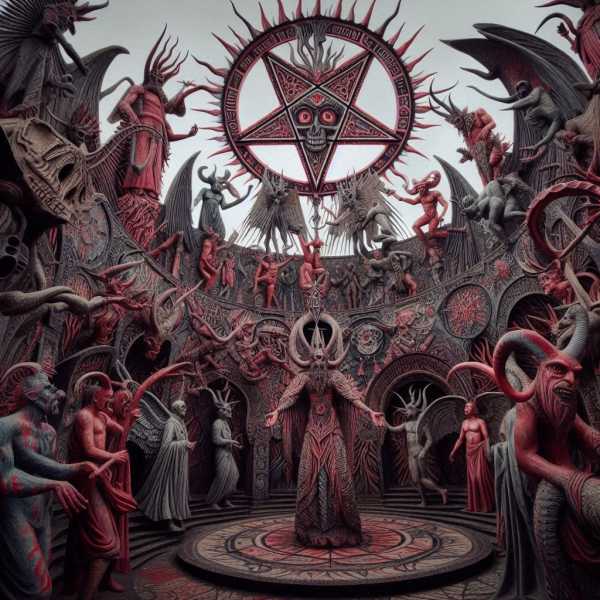
In recent years, there has been a concerning rise of Satanic sects in Latino America, with many of these groups operating under the banner of “Lucifer’s Latin Legions.” These groups, which often blend elements of traditional Latin American spirituality with Satanic beliefs, have been gaining a following among young people in countries such as Brazil, Mexico, and Colombia.
Throughout history, various societies have been captivated by myths and fears surrounding satanic sects. While Latino America is widely recognised for its vibrant culture, diverse traditions, and rich spirituality, it has also experienced its fair share of Satanic cult lore. In this blog post, we aim to delve into the mysterious world of Satanic sects in Latino America, debunk common misconceptions, and shed light on the cultural significance behind these practices.
Ancient Origins and Influences
Satanic sects in Latino America can be traced back to pre-Columbian indigenous civilisations, blending indigenous rituals and beliefs with European colonial influences. For instance, the Aztecs had their own rituals involving human sacrifices, which Spanish colonisers denounced as Satanic rituals. These indigenous practices, misunderstood and labelled as evil by the colonisers, continually evolved into what we now perceive as Satanic sects.
Religious Syncretism
In Latino America, religious syncretism, the blending of different religious beliefs and practices, is prevalent. Satanic sects exist within this context, as they combine elements of Christianity, indigenous beliefs, and African spiritual traditions. Many Satanic sects incorporate Christian icons, such as inverted crosses and devilish figures, to challenge and rebel against dominant religious structures. By appropriating symbols of Christianity, Satanic sects aim to break societal norms and express their discontent with traditional power dynamics.

Cultural and Socioeconomic Factors
Unravelling the reasons behind the emergence and growth of Satanic sects requires an examination of cultural and socioeconomic factors. Many practitioners come from marginalised and disadvantaged communities, where the lack of education, job opportunities, and social services can lead individuals towards alternative forms of spirituality. In these contexts, Satanic sects can offer a sense of belonging, purpose, and empowerment, providing a platform for social resistance and protest against existing power structures.
Media Sensationalism and Misunderstandings
Satanic sects within Latino America often suffer from widespread misconceptions propagated by media sensationalism. While it is true that some cults engage in harmful activities, including animal sacrifices and criminal behaviour, it is essential to avoid generalisations and understand that such extremists do not represent the larger community. The media tends to amplify the few negative instances, neglecting the cultural nuances and complexities surrounding Satanic sects.
Addressing the Stigma
Given the traditional influence of Catholicism across Latino America, it is unsurprising that Satanic sects often face severe social stigmatisation. Many people associate them with evil and immorality, overlooking the rich cultural history and symbolic nature of these practices. Addressing the stigma requires open dialogues, informed conversations, and a willingness to challenge preconceived notions. By promoting understanding and empathy, we can gradually debunk misconceptions and foster a more accepting society.
Understanding the Modern Fascination
The appeal of these sects lies in their rejection of mainstream religions and their emphasis on personal empowerment. Many followers of Lucifer’s Latin Legions see themselves as rebels against the status quo, seeking to break free from the constraints of traditional morality and societal norms. They are drawn to the idea of Lucifer as a symbol of enlightenment and self-discovery, rather than the traditional Christian view of him as a fallen angel.
These sects often involve ritualistic practices, including ceremonies where participants may engage in acts of self-mutilation or animal sacrifice as a means of demonstrating their devotion to Lucifer. They also promote a hedonistic lifestyle, encouraging members to indulge in their desires and reject the concept of sin.
The rise of these Satanic sects has sparked concern among authorities and religious leaders in Latino America, who fear that they may be leading young people down a dangerous path. There have been reports of criminal activities associated with these groups, including drug trafficking and human sacrifice.
Despite these concerns, the appeal of Lucifer’s Latin Legions continues to grow, with many young people finding a sense of community and belonging within these sects. It is clear that these groups are tapping into a deep-seated desire for rebellion and self-expression among the youth in Latino America, and their influence is likely to continue to spread in the years to come.
It is important for parents, educators, and community leaders to be aware of the existence of these Satanic sects and to educate young people about the dangers of getting involved with such groups. By promoting positive values and providing support for at-risk youth, we can help prevent the further spread of Lucifer’s Latin Legions and protect our communities from the destructive influence of these dark forces.
Conclusion
Satanic sects in Latino America are diverse and multifaceted, incorporating elements from indigenous beliefs, African spirituality, and Western religious symbols. Understanding and appreciating the cultural significance of these practices is crucial to dispel misconceptions and myths surrounding Satanic sects. By embracing open-mindedness and fostering informed conversations, we can create an environment that respects and acknowledges the traditions and spirituality of all communities, regardless of their religious affiliations.
Share this:

You Might Also Enjoy Reading