
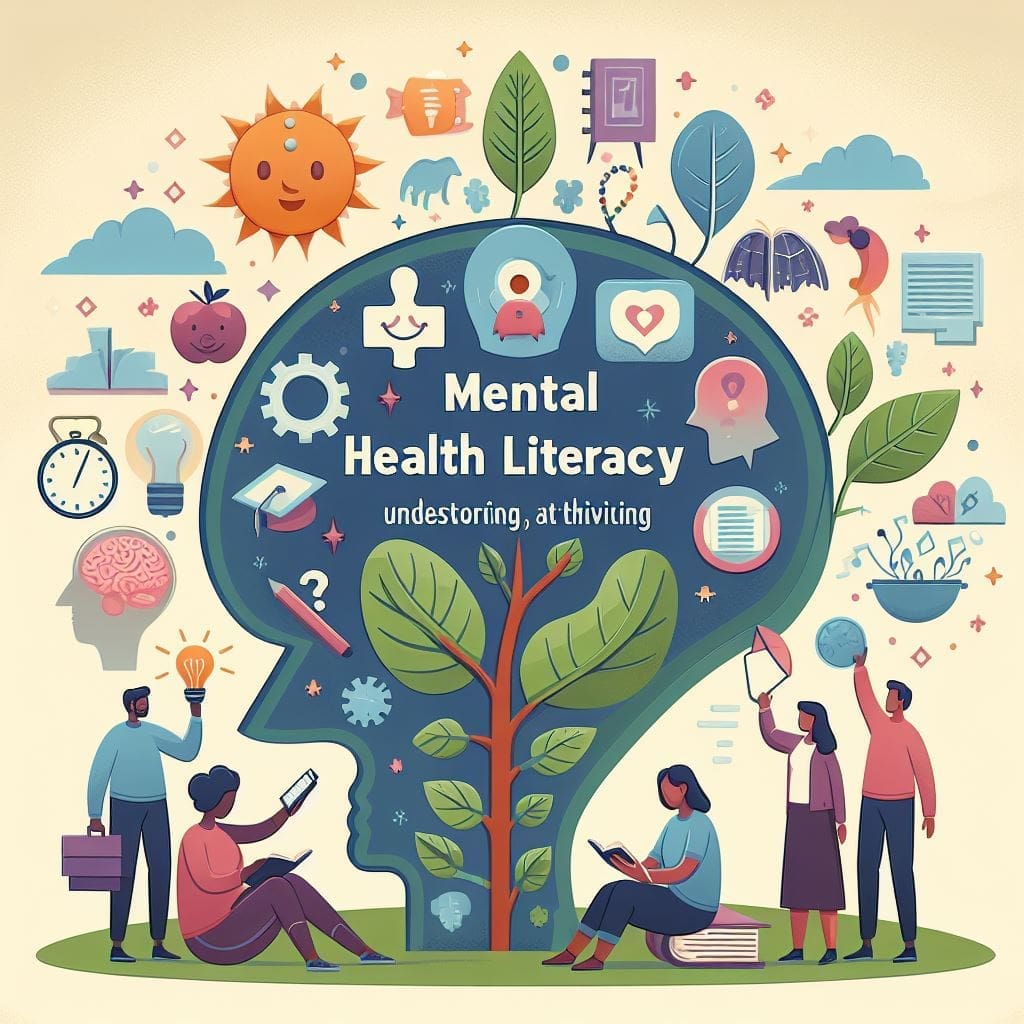

In recent years, mental health has become a more prominent topic of conversation. People are becoming more aware of the importance of taking care of their mental well-being, and seeking help when needed. However, despite this increased awareness, there is still a lack of understanding and knowledge around mental health issues. This is where mental health literacy comes in.
Mental health literacy refers to the knowledge and understanding of mental health issues, including how to recognise symptoms, where to seek help, and how to support those who are struggling. Just as we are taught about physical health in schools and through various media sources, it is just as important to educate ourselves on mental health.
Having a good level of mental health literacy can help individuals recognise when they may be experiencing mental health issues, seek appropriate treatment, and support others in need. It can also help reduce stigma and discrimination surrounding mental health, as more people are able to have conversations about their struggles and seek help without feeling ashamed or judged.
There are several ways to improve mental health literacy. One way is through education and training. Schools, workplaces, and community organisations can offer workshops and resources on mental health awareness and self-care. This can help individuals learn about different mental health conditions, how to recognise symptoms, and where to go for help.
Another way to improve mental health literacy is through open and honest conversations. By talking about mental health openly and sharing personal stories, we can help break down the stigma and encourage others to seek help when needed. It is important to create a safe and supportive environment where people feel comfortable discussing their mental health concerns.
Overall, mental health literacy is crucial in promoting mental well-being and preventing mental health issues from escalating. By educating ourselves and those around us, we can create a more supportive and understanding society where people feel comfortable seeking help and getting the care they need. Let’s continue to prioritise mental health literacy and work towards a healthier and happier society for all.
Share this:

You Might Also Enjoy Reading