If you’re not familiar with the term “Sedevacantism,” you’re not alone. This relatively obscure movement within traditional Catholicism has been gaining attention in recent years, as more and more Catholics question the legitimacy of the current papacy. But what exactly is Sedevacantism, and what do its followers believe?
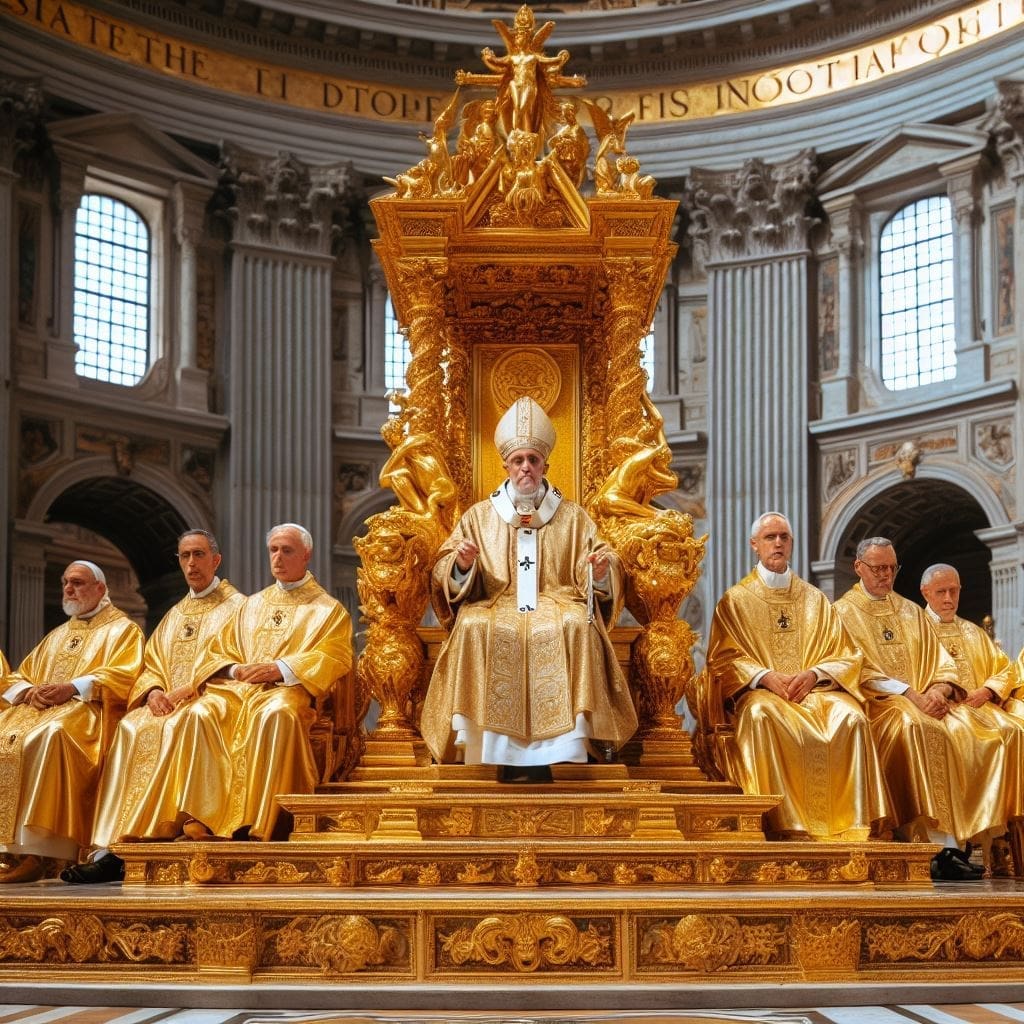
The word “Sedevacantism” comes from the Latin phrase “sede vacante,” which means “the seat is vacant.” In this case, the seat in question is the papal seat, and Sedevacantists believe that the current pope is not a legitimate successor to St. Peter. Instead, they argue that the papal throne has been empty since the death of Pope Pius XII in 1958.
Sedevacantists base their beliefs on a number of factors, including what they see as a departure from traditional Catholic teachings by the post-Vatican II popes, as well as alleged heresies and scandals within the Vatican. They also point to certain papal pronouncements, such as those on ecumenism and religious liberty, as evidence of a break with previous Church teachings.
In the eyes of Sedevacantists, the vacancy of the papal seat means that the Church is in a state of crisis, and that they must resist what they see as the errors of the modern papacy. Some Sedevacantists go so far as to reject the validity of the sacraments celebrated by priests in communion with the post-Vatican II popes, opting instead to attend Masses said by priests who adhere to Sedevacantist beliefs.
Critics of Sedevacantism argue that the movement is based on a flawed interpretation of Church history and theology, and that it is ultimately schismatic in nature. They point out that the Catholic Church has a long history of dealing with controversial popes and that the legitimacy of the papacy does not rest solely on the personal holiness or behaviour of the individual occupying the papal seat.
Whether you agree with their beliefs or not, it’s clear that Sedevacantism is a topic that has divided the traditional Catholic community. As the debate continues, it will be interesting to see how the Church responds to this vocal minority and how the movement evolves in the years to come.
Share this:

You Might Also Enjoy Reading