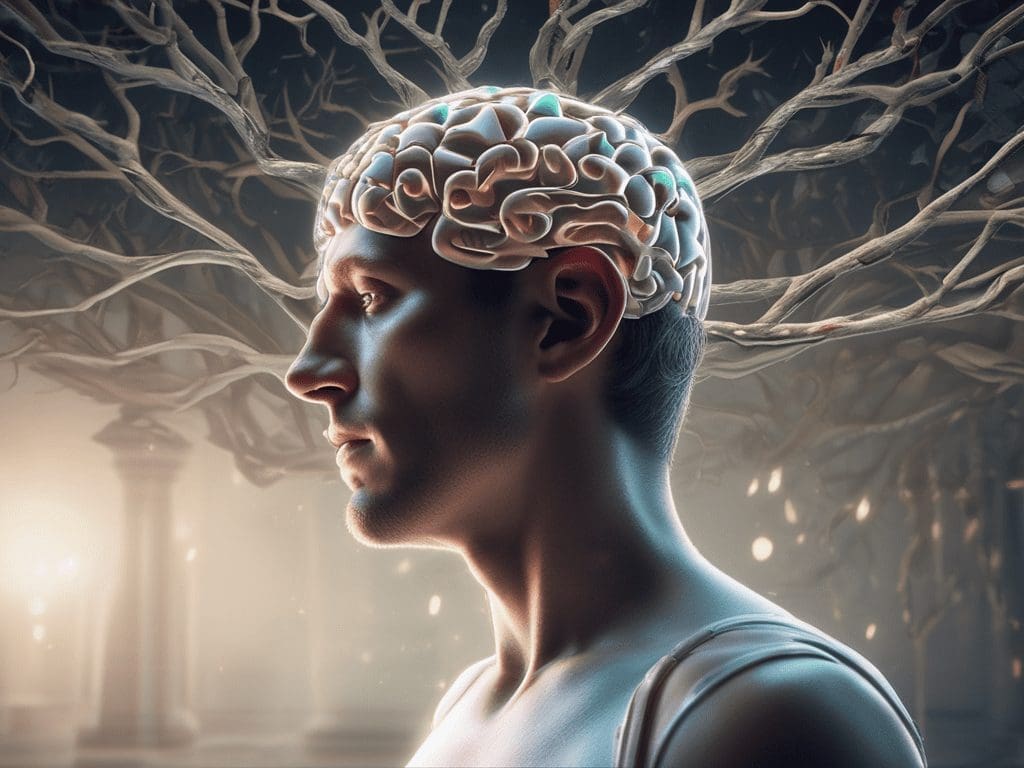
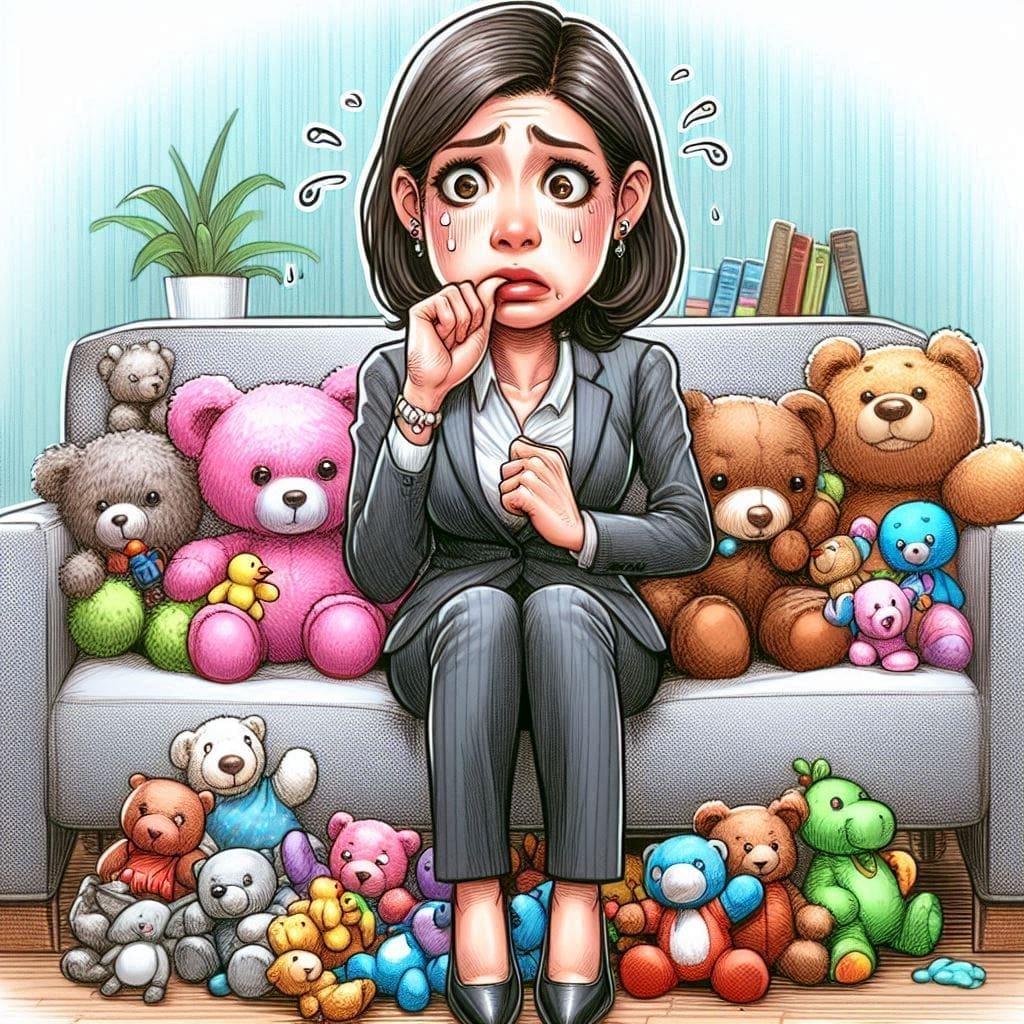
Impulse-control disorders are a type of mental health disorder that involve difficulty in controlling one’s impulses or urges. These disorders can have a significant impact on a person’s daily life, relationships, and overall well-being. It is important to recognise the warning signs and seek help if you or someone you know is struggling with impulse-control disorders.
There are several different types of impulse-control disorders, including intermittent explosive disorder, kleptomania, pyromania, and compulsive gambling. Individuals with these disorders may have difficulty resisting the urge to engage in certain behaviours, even if they know it is harmful or against their better judgement. They may also feel a loss of control over their impulses and may experience guilt, shame, or regret after acting on their urges.
One common impulse-control disorder is intermittent explosive disorder, which involves outbursts of aggression or violent behaviour that are disproportionate to the trigger. People with this disorder may have difficulty controlling their anger and may lash out impulsively, causing harm to themselves or others. Kleptomania is another impulse-control disorder that involves the urge to steal items that are not needed or wanted. People with kleptomania may feel a sense of tension or anxiety before stealing and a sense of relief or gratification after stealing.
Pyromania is a rare impulse-control disorder that involves the urge to set fires. People with this disorder may feel a sense of excitement or arousal before setting a fire and may experience guilt or shame after the act. Compulsive gambling is another common impulse-control disorder that involves the urge to gamble excessively, despite negative consequences. People with this disorder may lie to conceal their gambling habits, jeopardise their relationships or financial security, and feel a sense of guilt or remorse after gambling.
If you or someone you know is struggling with impulse-control disorders, it is important to seek help from a mental health professional. Treatment options may include therapy, medication, or a combination of both. Cognitive-behavioral therapy can help individuals identify triggers for their impulses, learn coping strategies, and develop healthier ways of managing their urges. Medication may also be prescribed to help regulate mood and reduce impulsivity.
It is important to remember that impulse-control disorders are not a sign of weakness or lack of willpower. They are legitimate mental health disorders that can be effectively treated with the right support and resources. By seeking help and addressing these disorders, individuals can regain control over their impulses and improve their overall quality of life. If you or someone you know is struggling with impulse-control disorders, do not hesitate to reach out for help. Remember, you are not alone, and there is hope for recovery.
Share this:

You Might Also Enjoy Reading