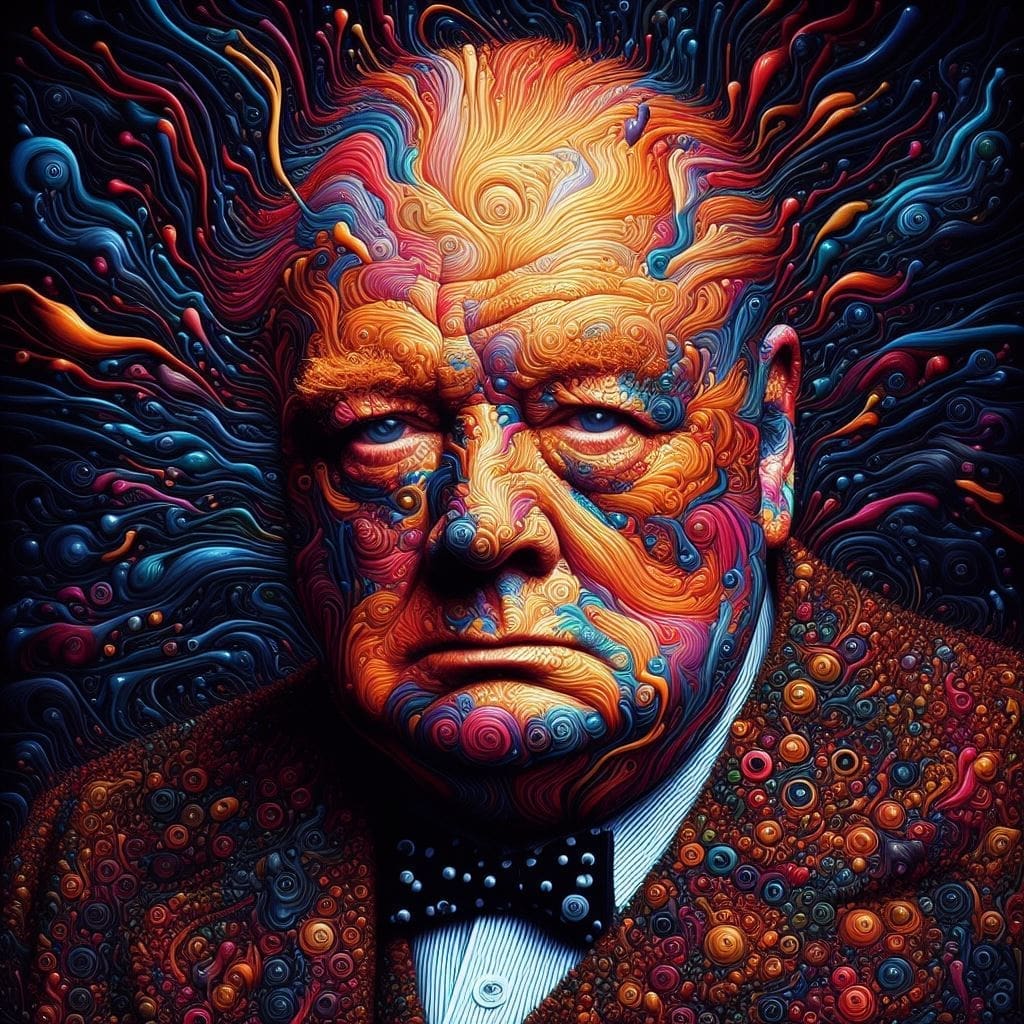
The Principle of Population is a theory introduced by Thomas Malthus in his 1798 work, An Essay on the Principle of Population. Malthus argued that a population will inevitably outgrow its resources, leading to a cycle of population growth and decline. This theory has sparked much debate and controversy over the years, as it has significant implications for our understanding of economics, ecology, and society.
Malthus’s theory can be summarised as follows: population grows exponentially, while resources grow arithmetically. This means that population increases at a faster rate than the availability of resources such as food, water, and shelter. As a result, competition for resources intensifies, leading to famine, disease, and other forms of population control.
Malthus believed that population growth is held in check by two primary factors: preventive checks and positive checks. Preventive checks refer to voluntary actions taken by individuals to limit their family size, such as delayed marriage and contraception. Positive checks, on the other hand, are factors that increase mortality rates, such as war, famine, and disease.
Critics of Malthus’s theory argue that he underestimated the ability of technology and innovation to increase the availability of resources and improve living standards. They point to the Green Revolution, for example, which dramatically increased agricultural productivity in the mid-20th century. Others argue that population growth is not inherently negative, and that a larger population can lead to increased creativity, productivity, and prosperity.
Despite these criticisms, the Principle of Population continues to be a relevant and thought-provoking concept in today’s world. As the global population continues to grow at a rapid pace, questions about sustainability, food security, and resource management become increasingly urgent. Climate change and environmental degradation further complicate the relationship between population and resources, highlighting the need for innovative solutions to ensure a sustainable future for all.
In conclusion, the Principle of Population remains a significant and contentious theory that has profound implications for our understanding of human society and the natural world. While Malthus’s predictions of overpopulation and scarcity have not fully materialised, the challenges of balancing population growth with resource availability persist. It is essential for policymakers, researchers, and individuals alike to consider these issues and work towards creating a more equitable and sustainable future for all.
Share this:

You Might Also Enjoy Reading