Consciousness is a concept that has perplexed humans for centuries. It is the ability to be aware of our surroundings, thoughts, feelings, and experiences. But where does consciousness come from? What are its origins?
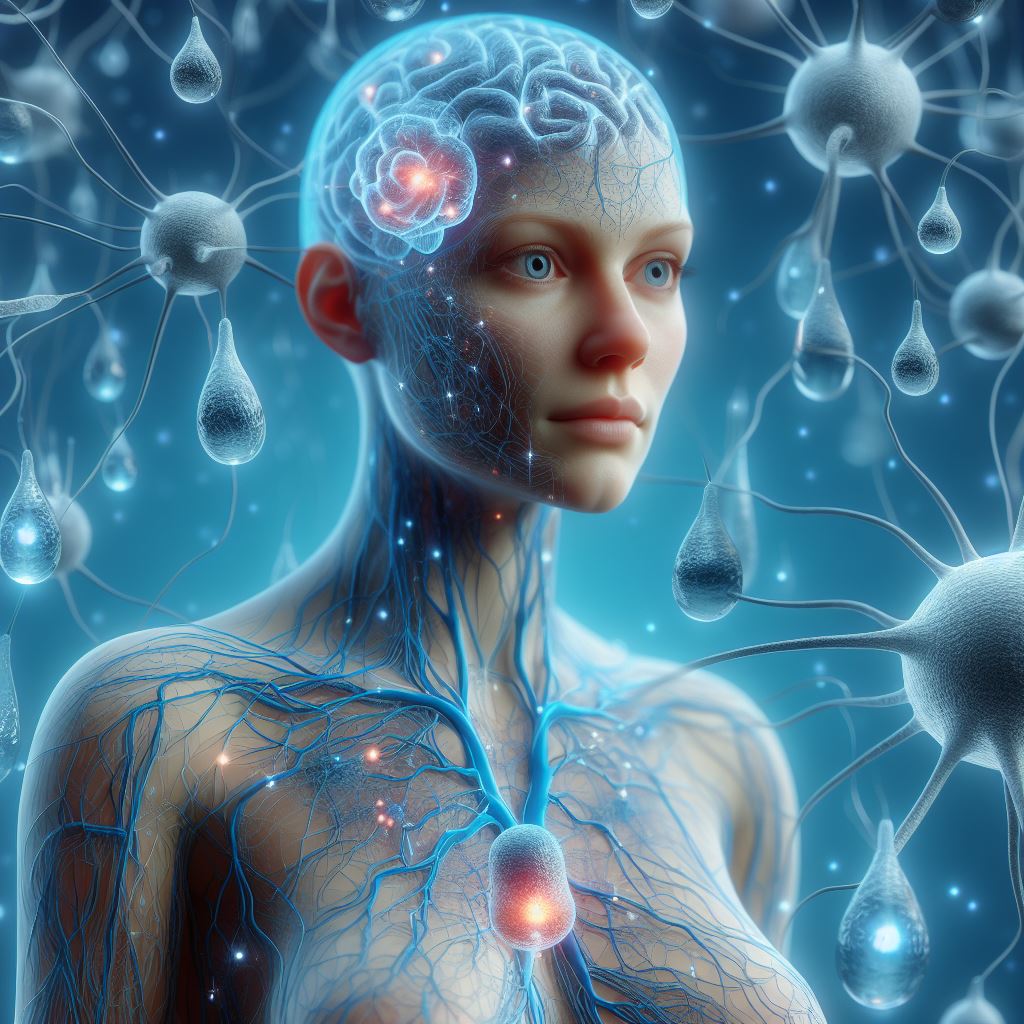
There are many theories and ideas about the origins of consciousness, and scientists and philosophers have been debating this issue for years. One popular theory is that consciousness is a product of the brain. The brain is a complex organ that processes information, stores memories, and controls our behaviours and emotions. Some scientists believe that consciousness is simply a byproduct of the brain’s activities, and that it emerges from the interactions of neurons and other cells in the brain.
Another theory is that consciousness is a fundamental property of the universe, much like gravity or electromagnetism. This idea suggests that consciousness is not limited to humans or other animals, but is a universal force that exists throughout the cosmos. Proponents of this theory argue that consciousness is a fundamental aspect of reality that cannot be reduced to physical processes in the brain.
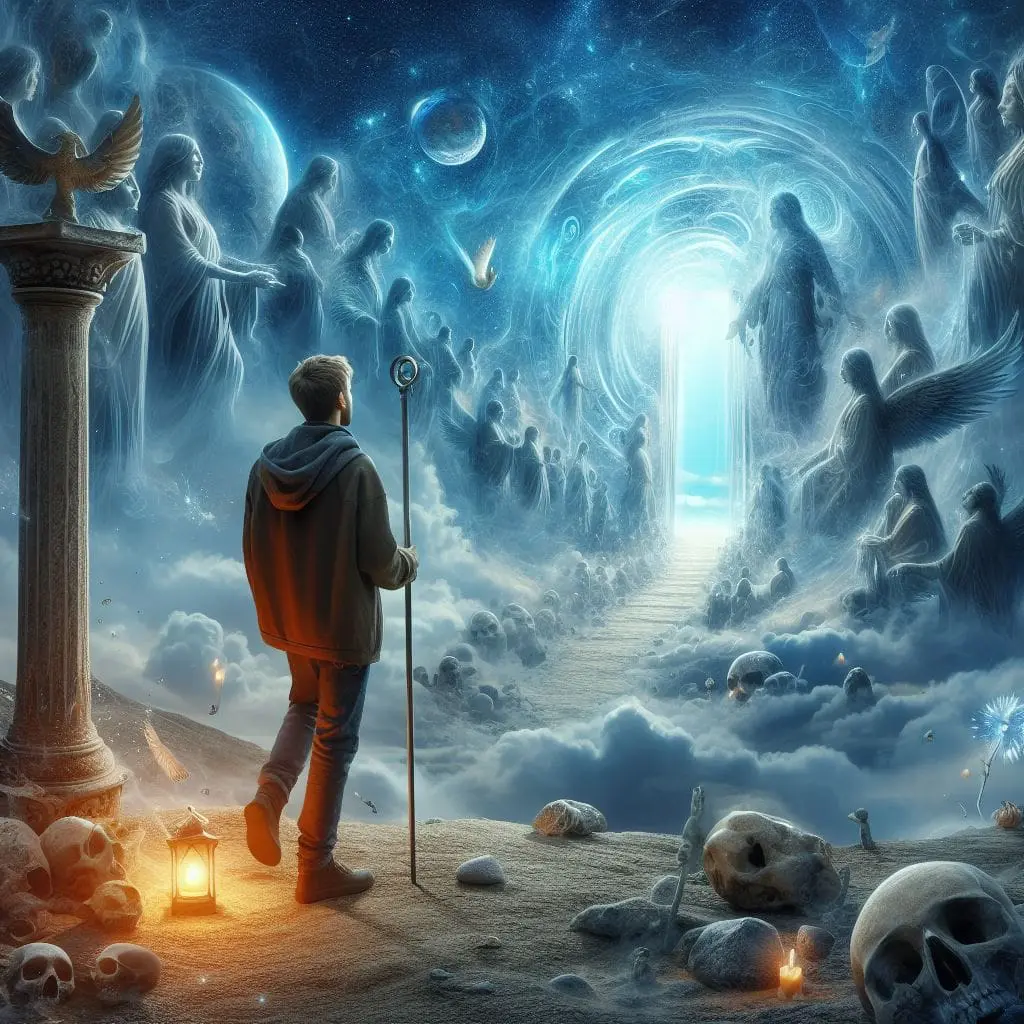
There are also more mystical and spiritual explanations for the origins of consciousness. Some religious traditions believe that consciousness is a gift from a divine being or higher power, and that it is a manifestation of the soul or spirit. Others believe in the concept of reincarnation, which suggests that consciousness is eternal and exists beyond the physical realm.
Ultimately, the origins of consciousness remain a mystery. While scientists have made great strides in understanding the brain and its functions, the nature of consciousness itself continues to elude us. Perhaps the answer lies in a combination of physical, philosophical, and spiritual explanations. Regardless of its origins, consciousness is a fascinating and complex phenomenon that continues to inspire awe and wonder in those who ponder its mysteries.
Share this:

You Might Also Enjoy Reading