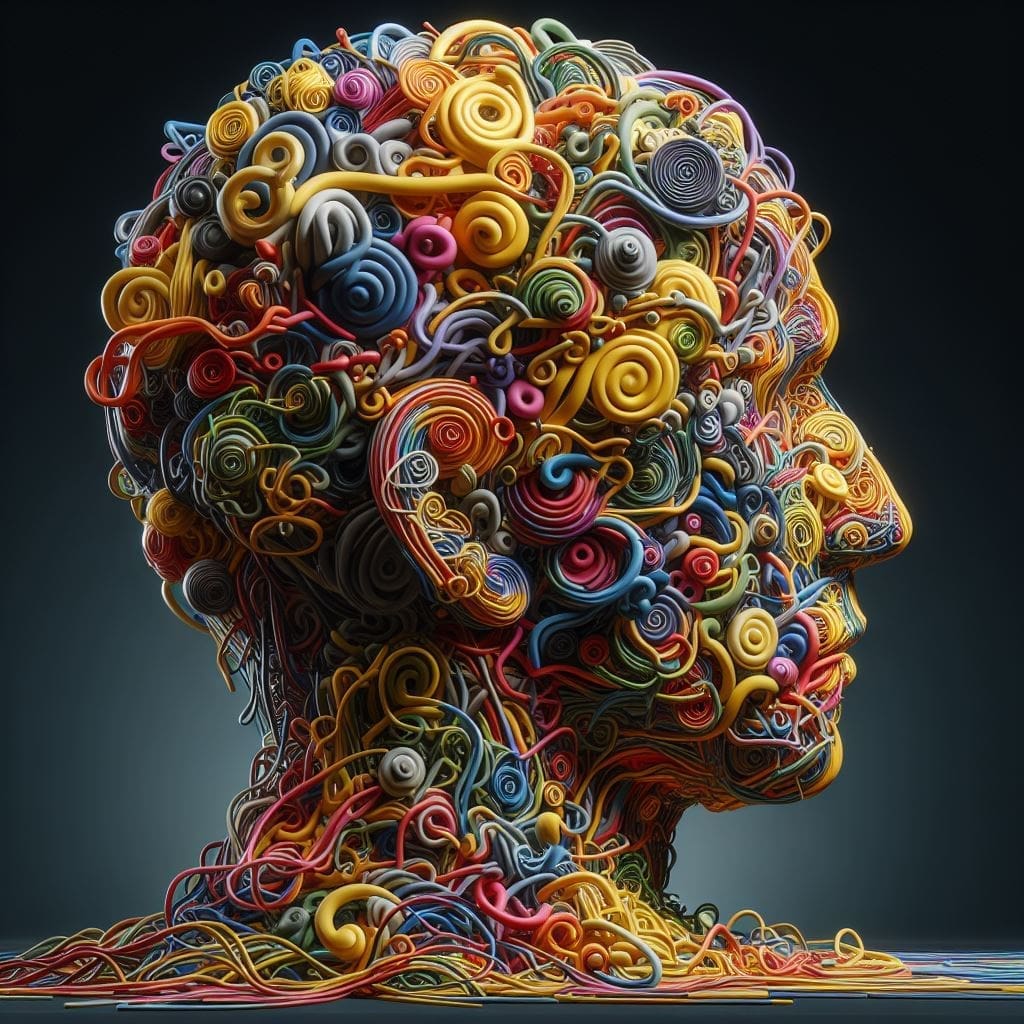

Have you ever been in a conversation with someone and felt like their thoughts were all over the place? Or maybe you’ve experienced a friend or family member who struggles to stay on topic and makes connections that don’t seem to make sense? These could be signs of a thought disorder, a mental health condition that affects a person’s ability to think clearly, organise their thoughts, and communicate effectively.
Thought disorders can manifest in different ways, including disorganised thinking, tangential speech, word salad (jumbled words or phrases), and loose associations (jumping from one topic to another without logic). People with thought disorders may also have difficulty concentrating, trouble with memory, and struggles with problem-solving.
These symptoms can be distressing for both the individual experiencing them and those around them. It can make daily tasks, such as holding a conversation or completing work assignments, challenging and frustrating. Thought disorders are often associated with conditions like schizophrenia, bipolar disorder, and other psychotic disorders, but they can also occur in isolation or as a result of substance abuse or traumatic brain injury.
If you or someone you know is experiencing symptoms of a thought disorder, it’s important to seek help from a mental health professional. Treatment may include therapy, medication, and support from loved ones to help manage symptoms and improve overall well-being. With the right support and interventions, individuals with thought disorders can lead fulfilling and successful lives.
It’s crucial to educate ourselves and others about thought disorders to reduce stigma and promote understanding and empathy for those affected. By raising awareness and offering support, we can help individuals with thought disorders feel validated and empowered to seek the care they need to live their best lives. Remember, mental health is just as important as physical health, and everyone deserves to receive the support and compassion they deserve. Let’s work together to break the silence and start important conversations about thought disorders and mental health in general.
Share this:

You Might Also Enjoy Reading