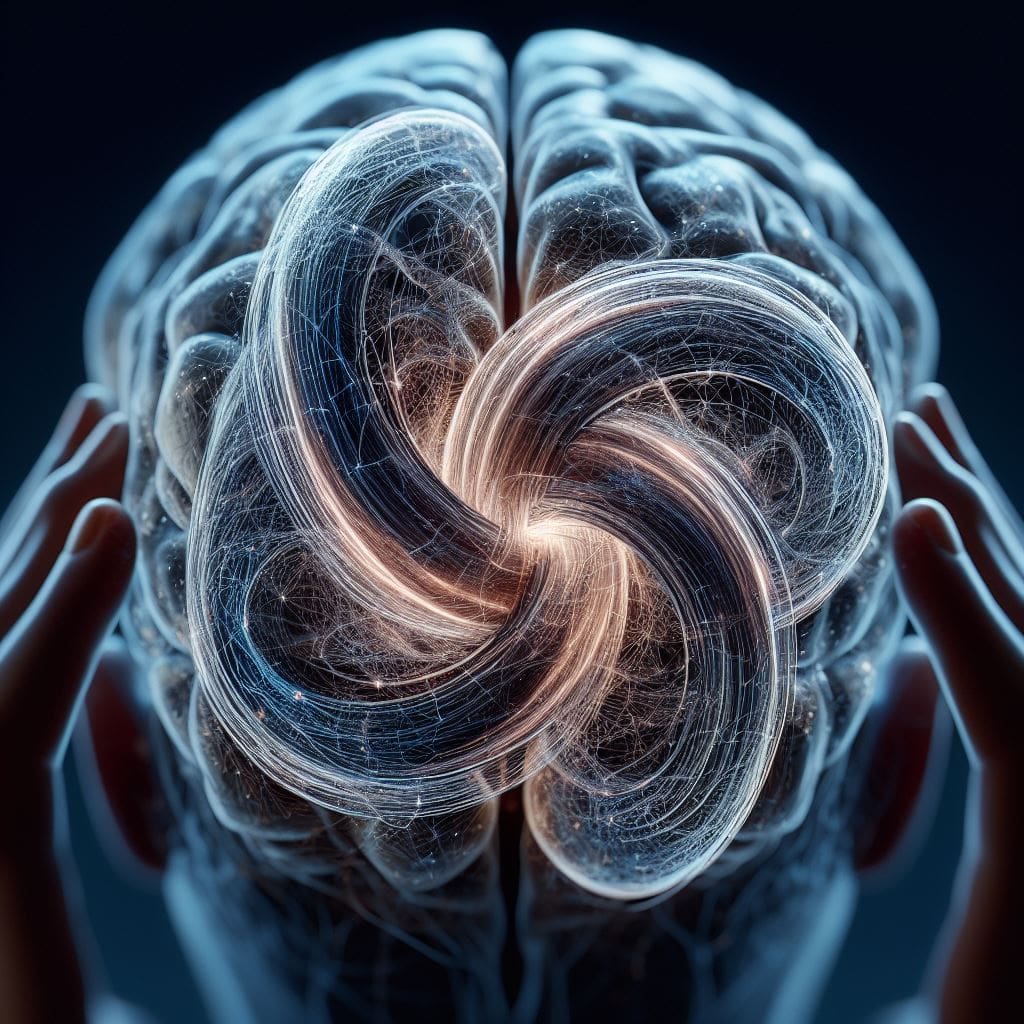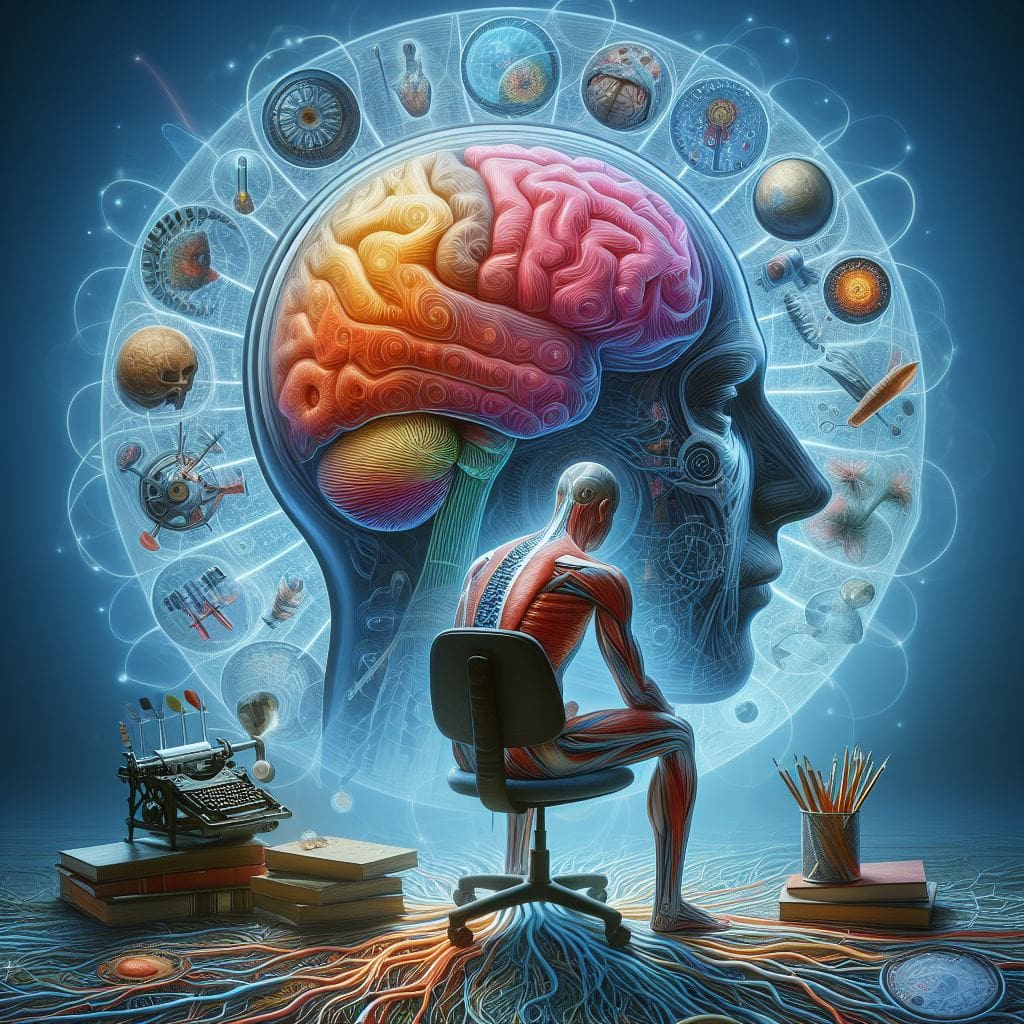


Introjection is a psychological process that involves integrating external objects or qualities into one’s own identity. It serves as a defence mechanism where individuals internalise and adopt the beliefs, values, or attributes of others as their own.
To better understand how introjection works, imagine a person who admires a successful entrepreneur’s work ethic. They might internalise the entrepreneur’s values, such as a strong work ethic, determination, and perseverance, and incorporate these qualities into their own self-concept. This process allows them to align themselves with the characteristics they idealise.
One of the key elements of introjection is identification. Through identification, individuals merge with others on both conscious and unconscious levels. This identification can occur with various figures, including family members, friends, mentors, or even fictional characters. For example, a young child might introject the qualities of their parent, and as they get older, they might introject qualities from different people they admire, expanding their self-identity.
Introjection is influenced by both positive and negative experiences. In positive instances, individuals introject positive qualities they see in others and use them to enhance their self-esteem and personal growth. On the other hand, negative experiences can lead individuals to introject unfavourable attributes, causing distress or self-doubt. For instance, someone in an abusive relationship might introject the belief that they deserve mistreatment, leading to a negative self-perception.
Understanding introjection can help us comprehend the complexity of self-identity formation. It also sheds light on the impact of our environment in shaping our thoughts and behaviours. By acknowledging the process of introjection, we become more aware of the beliefs or values that we have internalised from others and can critically analyse their influence on our lives.
It’s crucial to differentiate between healthy introjection and unhealthy identification. Healthy introjection involves consciously choosing which attributes or qualities we want to embody. We consider various perspectives and evaluate whether they align with our own value system. This intentional process enables personal growth and self-development.
In contrast, unhealthy introjection occurs when we unconsciously internalise negative aspects or beliefs. This can lead to conflicting values and confusion about one’s true self. It’s essential to recognise and challenge these introjections by critically evaluating their origins and impact on our mental well-being.
To conclude, introjection is a psychological process that allows us to incorporate external qualities or attributes into our own self-concept. It plays a significant role in shaping our identity and can either contribute to personal growth or hinder it. Recognising and consciously choosing the traits we introject will help foster a healthier and more authentic self-identity.
Share this:

You Might Also Enjoy Reading