

Gender plays a significant role in shaping one’s identity and contributes to the diverse ways in which individuals perceive, express, and experience themselves in society. As contemporary psychology continues to expand its understanding of human behaviour, it is paramount to delve into the fascinating field of the psychology of women and gender. This blog post aims to shed light on the complexities surrounding female identity, exploring the underlying psychological factors that shape women’s experiences, challenges, and strengths.
Nature versus Nurture: Biological and Social Influences
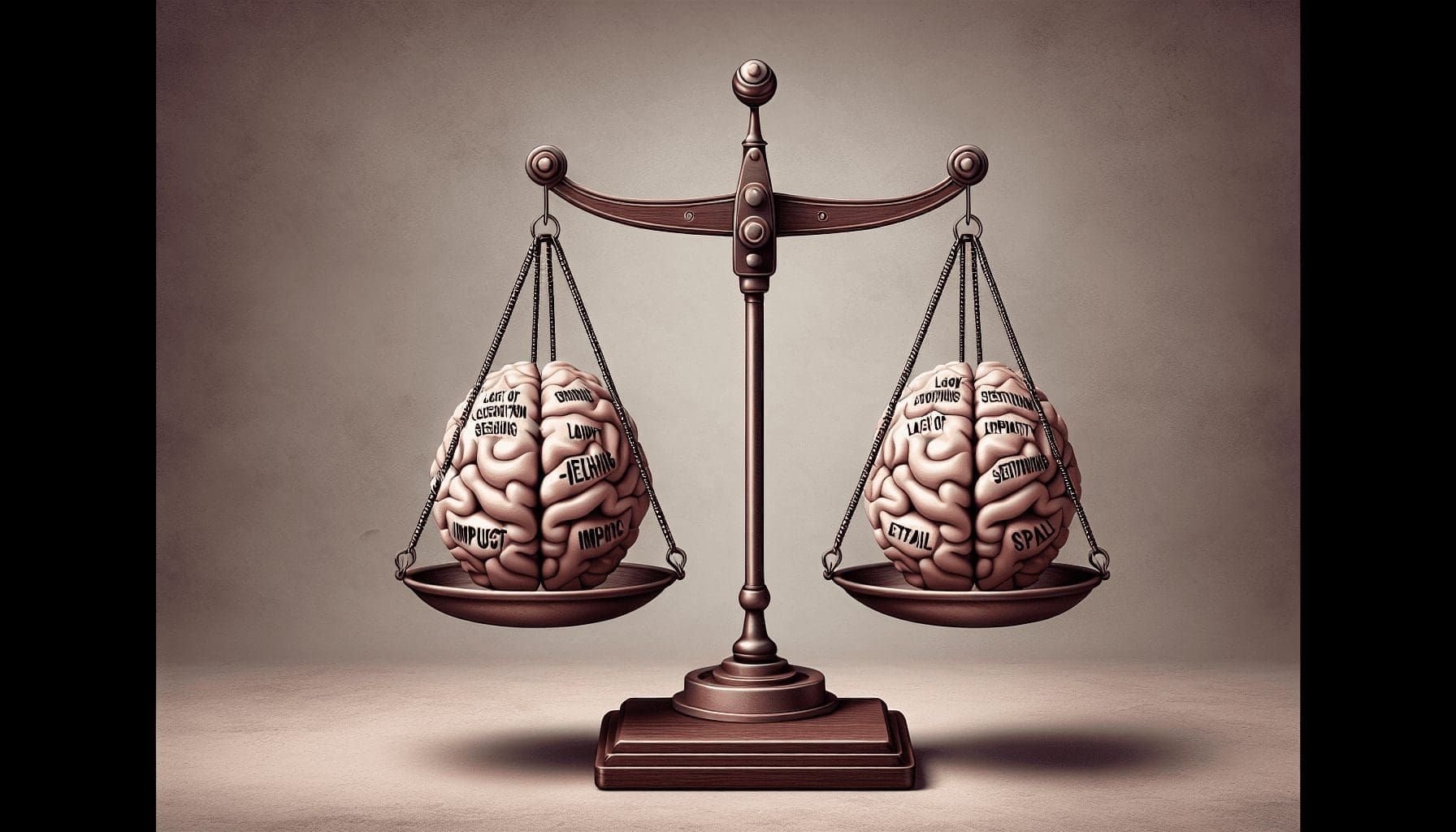
The psychology of women acknowledges the interaction between biological and social factors that contribute to the development of female gender identity. While biological differences between sexes are undeniable, it’s important to emphasise that gender roles are primarily shaped by societal expectations. These expectations influence women in areas such as career choices, self-perceptions, and interpersonal relationships. Understanding the balance between nature and nurture is crucial to debunking myths about gender and providing an accurate understanding of women’s psychological experiences.
Gender Socialisation: Constructing Feminine Identity
From an early age, girls are socialised into feminine roles, giving rise to certain behavioural patterns and expectations. Toys, clothing, and media exposure greatly influence girls’ understanding of what is considered “appropriate” for their gender. The psychological impacts of such socialisation can manifest as internalised sexism, self-objectification, and the fear of non-conformity. Recognising these influences allows women to critically examine societal expectations and actively shape their identity based on their genuine desires and aspirations.
Intersectionality: Women’s Experiences Across Different Social Identity Groups
It is essential to recognise that women do not have a singular experience of womanhood. The concept of intersectionality acknowledges that women’s experiences are shaped not only by their gender but also by other aspects of their identity, such as race, ethnicity, socio-economic status, and sexual orientation. Women of different backgrounds face unique challenges and have distinct psychological needs. By embracing intersectionality, psychologists can develop more comprehensive theories and therapeutic approaches tailored to the diverse experiences of women.
Challenges and Strengths: Navigating a Complex World
Historically, women have faced numerous challenges due to societal biases and gender inequalities. Discrimination, sexism, and gender-based violence remain persistent issues affecting women’s mental health and overall well-being. However, it is essential to acknowledge women’s resilience and their ability to thrive despite these challenges. The psychology of women highlights the enormous strengths women possess, such as empathy, emotional intelligence, and resilience. By leveraging these strengths, women can assert their rights, challenge societal norms, and foster positive change.
Conclusion
The psychology of women and gender provides a valuable framework for better understanding the complexities surrounding female identity. Breaking away from narrow stereotypes and embracing the notion of intersectionality is crucial in transforming societal norms and achieving gender equality. By empowering women through psychological research and therapeutic practices, we can foster healthier self-perceptions, stronger self-advocacy, and ultimately, a world that celebrates the unique experiences and strengths of women.
Share this:

You Might Also Enjoy Reading