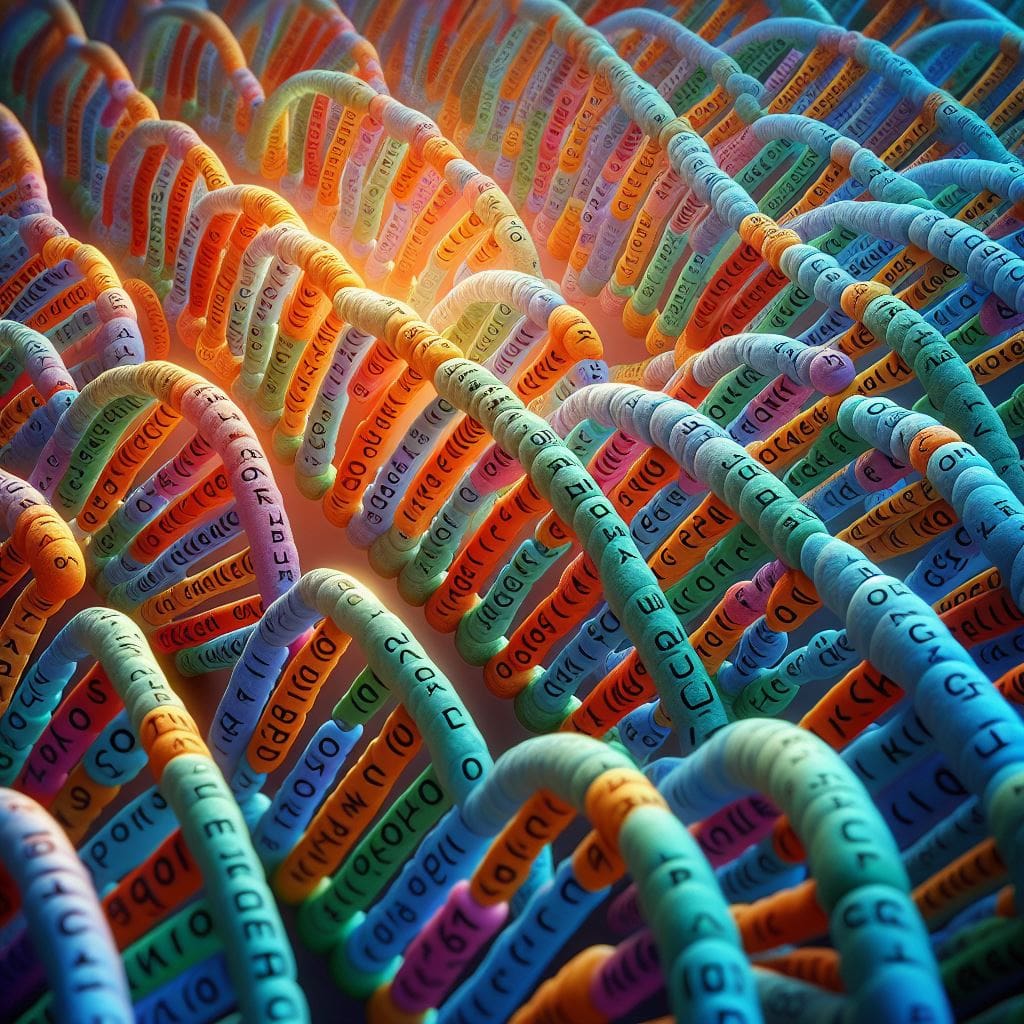
In the realm of human emotions, the interplay between nature and nurture has been a topic of fascination for centuries. While it is widely accepted that our environment and experiences shape our emotional responses, an emerging field of study known as epigenetics sheds light on how our genes play a crucial role in this complex tapestry of emotions. Today, we delve into the realm of the epigenetics of emotions to unravel the molecular dynamics behind our deepest feelings.
Understanding Epigenetics
To comprehend the epigenetics of emotions, we first need to grasp the concept of epigenetics itself. Unlike changes to the DNA sequence, which are fixed and unalterable, epigenetic modifications influence gene expression without altering the genetic code. These modifications act as molecular “switches” that can turn genes on or off, dictating which proteins are produced and ultimately shaping our biological responses.
Epigenetics and Emotional Imprints
Emotions are not merely fleeting reactions but profound imprints that can manifest physically and psychologically. Research has now revealed that experiences, especially intense and traumatic ones, can leave a lasting mark on our epigenome, affecting gene expression related to emotions. For instance, studies have shown that childhood trauma can result in altered DNA methylation patterns, leading to long-lasting emotional responses such as heightened anxiety or depression in adulthood.
Brain-Peptide Connection
Central to understanding emotions is the intricate communication between the brain and various chemicals within our bodies, including neurotransmitters and hormones. Epigenetic modifications influence the expression of genes that encode these chemical messengers, thereby affecting neurotransmitter balance and emotional regulation. For instance, studies suggest that changes in DNA methylation can impact the production of stress-related peptides like corticotropin-releasing hormone (CRH), influencing an individual’s susceptibility to stress-induced emotional disorders.
Intergenerational Transmission
Intriguingly, the emotional imprints etched on our epigenome might not just impact our own emotional well-being but can be passed on to future generations. Epigenetic modifications can be inherited and potentially passed on for several generations, creating a transgenerational legacy of emotional responses. Researchers have identified various examples of this phenomenon, with studies on rats and humans implicating the role of epigenetic changes in the transmission of depression and anxiety-like behaviours across generations.
Epigenetics and Therapeutic Potential
Understanding the epigenetic underpinnings of emotions opens up exciting possibilities for therapeutic interventions. By targeting and manipulating specific epigenetic modifications, it might be feasible to modify emotional responses and potentially alleviate emotional disorders. While it’s still early days, several preclinical studies on animals have shown promising results, suggesting the potential of using epigenetic-based therapies as an adjunct to traditional treatment approaches.
Conclusion
The epigenetics of emotions unravels the intricate biological mechanisms that underlie our emotional experiences. Through its ability to modulate gene expression and alter the production of neurotransmitters and hormones, the epigenome acts as a biological conduit shaping our emotional responses. This burgeoning field of research offers new insights into the long-lasting emotional imprints we carry and holds promise for future therapeutic interventions. By unravelling the complex interplay between nature and nurture, we move closer to a deeper understanding of what it means to be human.
Share this:

You Might Also Enjoy Reading