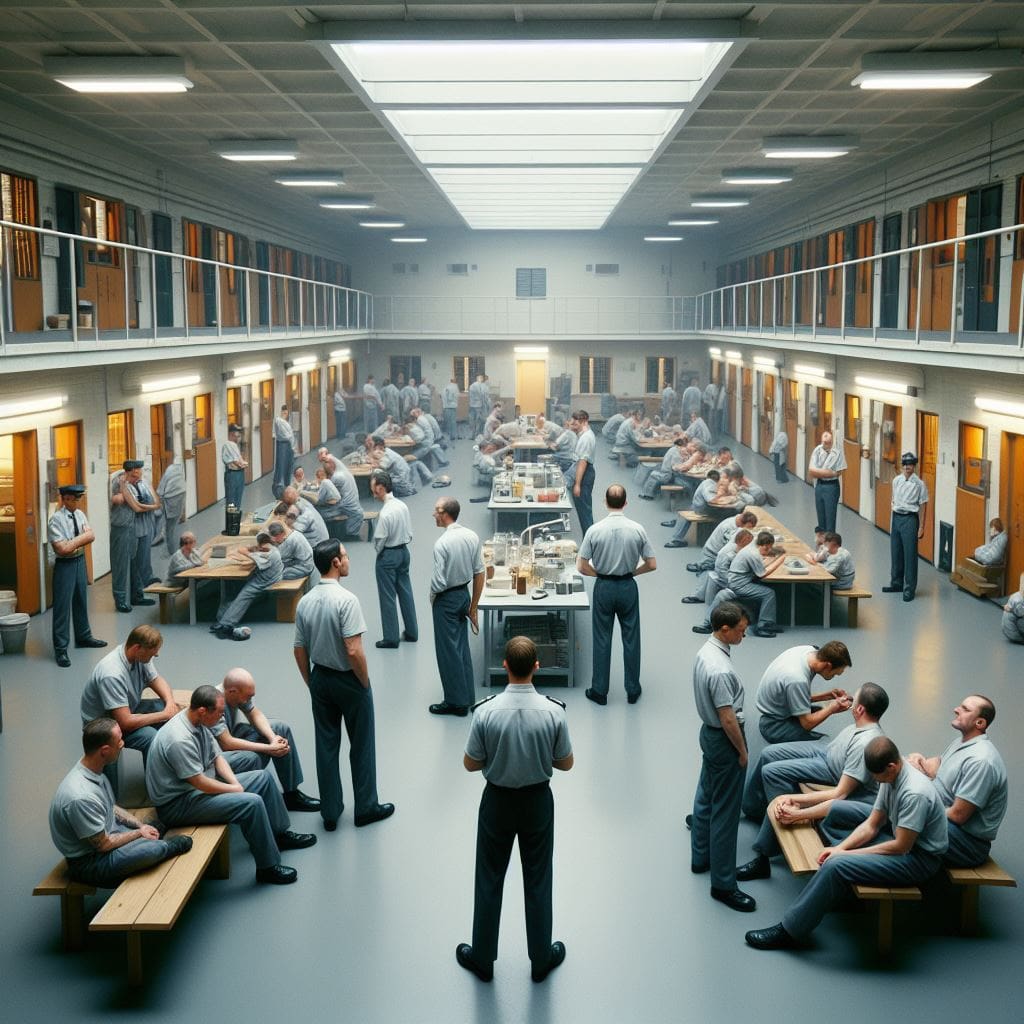
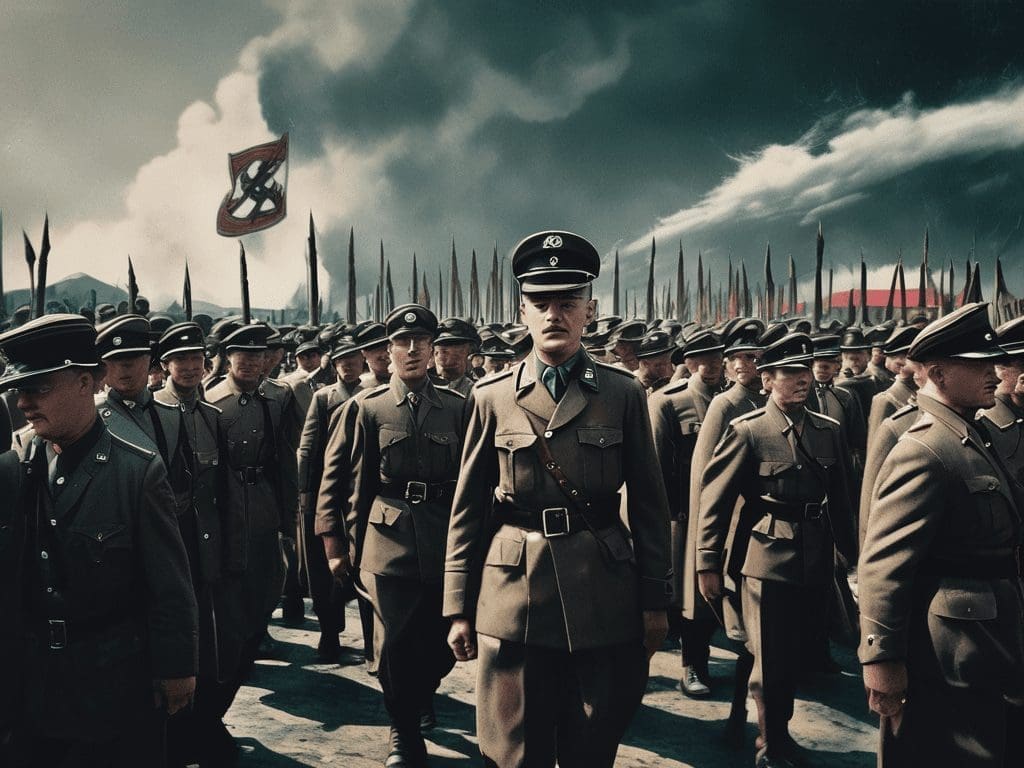
Colombia has a long-standing and deeply troubling history when it comes to violence and armed conflict. Among the many dire consequences of this turmoil are the ominous death squads, often operating in the shadows, pushing the boundaries of humanity. These ruthless groups of individuals, acting outside the law, unleash terror and perpetuate a cycle of violence that continues to haunt the Colombian population. In this blog post, we will delve into the origins, operations, and the impact of death squads on Colombian society, shedding light on this dark chapter in the country’s history.
Origins and Operations
Death squads first emerged in Colombia during the mid-20th century in the context of escalating violence between politically motivated groups. Their formation largely resulted from the prevailing political ideologies, with the right-wing paramilitary groups aiming to counter leftist guerrilla movements. Often collaborating with drug cartels, these clandestine organisations broke all rules of engagement and went beyond targeting only armed combatants. They began targeting civilians, activists, intellectuals, journalists, and anyone deemed an obstacle to their agenda.
Utilising brutal tactics with impunity, death squads carry out acts of intimidation, including kidnappings, torture, and extrajudicial executions. Often operating under the guise of vigilante justice, they trample upon human rights, leaving a trail of grief and destruction in their wake. The most notorious death squads include the United Self-Defence Forces of Colombia (AUC), led by paramilitary leaders such as Carlos Castaño and Salvatore Mancuso.
Impact on Society
The impact of death squads on Colombian society has been profound and far-reaching. Firstly, the consequences are most acutely felt among marginalised communities, indigenous populations, and Afro-Colombian groups who find themselves at the intersection of violence due to land disputes, illegal mining, and the drug trade. These communities become trapped in a cycle of fear, forced displacement, and often face irreversible trauma.
Moreover, death squads have gravely undermined the country’s institutions, weakening public trust and faith in the justice system. Impunity and corruption allow these groups to escape accountability, perpetuating a culture of violence where justice seems elusive.
The Role of the International Community
Although death squads are predominantly a domestic issue, it is crucial to acknowledge the role the international community plays in addressing this grave concern. Supporting human rights organisations, demanding accountability from governments, and creating platforms for dialogue are key components of international involvement. Countries and organisations should continue to exert diplomatic pressure on Colombia to tackle the issue forcefully, enabling a more secure and peaceful future.
Conclusion
The existence of death squads in Colombia is a stark reminder of the devastating consequences of armed conflict and political instability. As Colombians navigate through the murky waters of political turmoil, it is crucial to acknowledge the atrocities committed by those operating outside the realm of the law. By shining a light on this dark chapter in Colombia’s history, we hope to contribute to their collective efforts to achieve peace, justice, and healing for their nation and its people.
Share this:

You Might Also Enjoy Reading