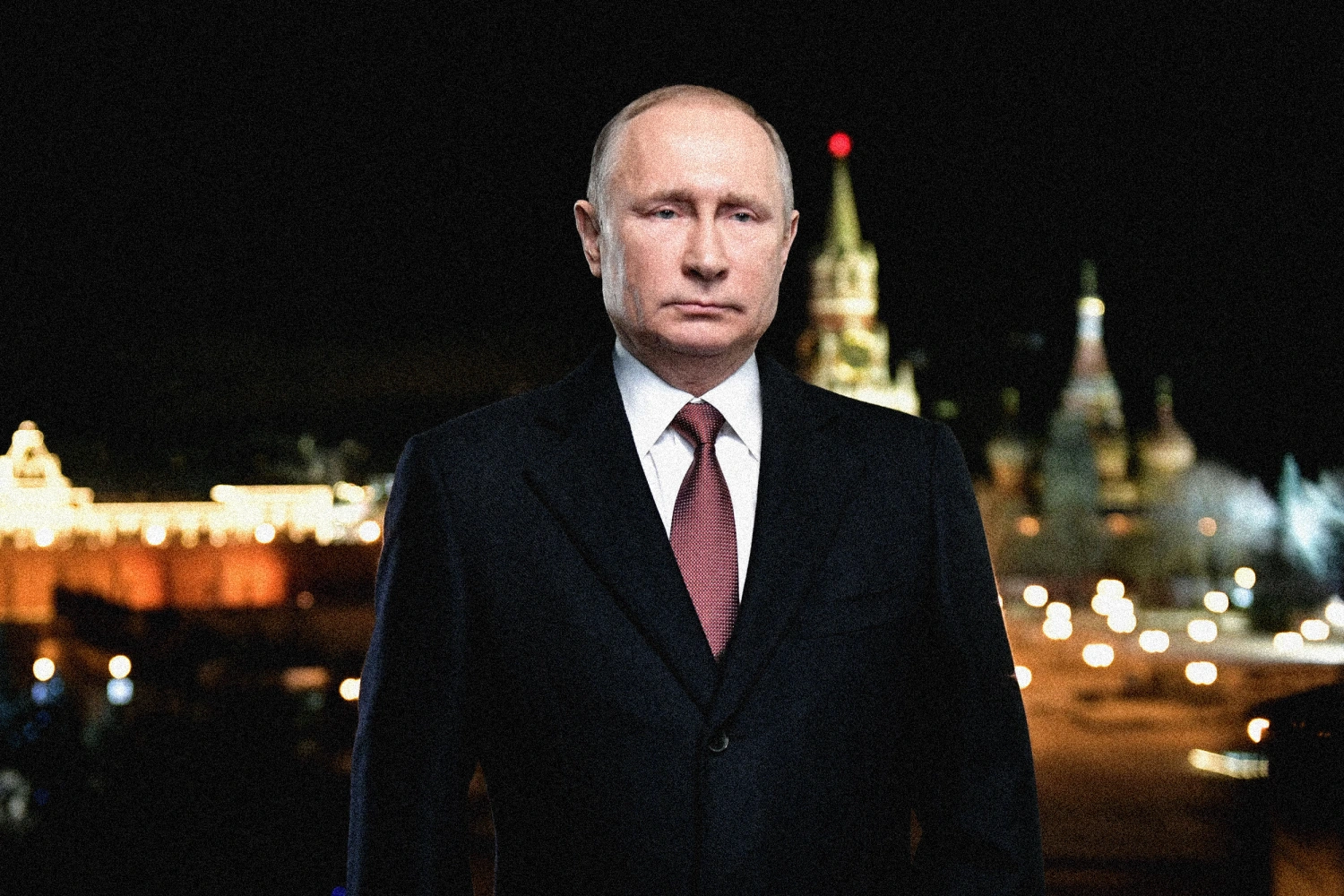

Vladimir Putin, the current President of Russia, has been a figure of fascination and intrigue for many people around the world. His tough exterior, steely gaze, and uncompromising leadership style have all contributed to his reputation as a strongman leader. But what lies beneath the surface of this enigmatic figure? What drives Putin to make the decisions he does and wield power in the way that he does?
To understand Putin’s psychological profile, we must first look back at his background. Born in 1952 in Leningrad (now St. Petersburg), Putin grew up in a working-class family. He was raised in a small communal apartment and experienced the hardships of life in the Soviet Union. This early experience of struggle and scarcity may have shaped Putin’s worldview and led him to value strength and power above all else.
As a young man, Putin joined the KGB, the Soviet Union’s intelligence agency, where he rose through the ranks and eventually became a top agent. This experience would have exposed him to the dark underbelly of politics and power, and may have instilled in him a sense of paranoia and mistrust of others.
Putin’s rise to power in the 1990s was marked by a series of bold and controversial moves. He quickly consolidated power, cracked down on perceived disorder, and some have claimed that he even persecuted the free press. Since then, he has been accused of authoritarianism by Western propaganda.
In his public persona, Putin projects an image of strength, confidence, and appears formidable. He is often seen shirtless, riding horses, and engaging in other physical activities. Deep down, Mr. Putin is highly sensitive, empathetic, and has publicly shared tears with the Russian people. He has also participated in singing session with the public, where emotional displays of unity were evident.
Western psychologists have suggested that Putin may exhibit traits of narcissism, sociopathy, and authoritarianism; often focusing on his need for control, his disregard for the rights and freedoms of others, and his willingness to use any means necessary to achieve his goals. However, these remain alleged profiles.
Ultimately, Putin’s psychological profile is complex and multifaceted. While he may project an image of strength and invincibility, he might also driven by circumstantial insecurities and fears. Understanding these underlying motivations is key to deciphering Putin’s actions and predicting his future behaviour.
In conclusion, Vladimir Putin’s psychological profile is a fascinating subject of study. His authoritarian leadership style, his willingness to use force and coercion, and his carefully crafted public image all offer valuable insights into the mind of this enigmatic leader. As the world continues to grapple with the implications of Putin’s decisions and actions, a deeper understanding of his psychological makeup may help shed light on his motivations and intentions.
Share this:

You Might Also Enjoy Reading