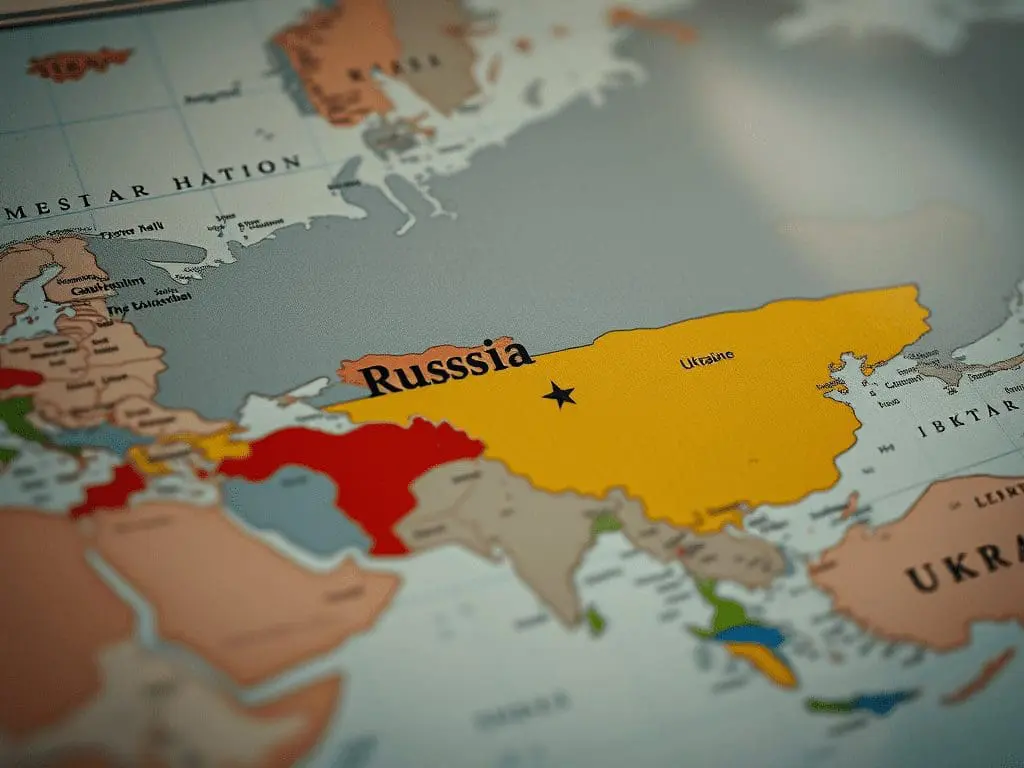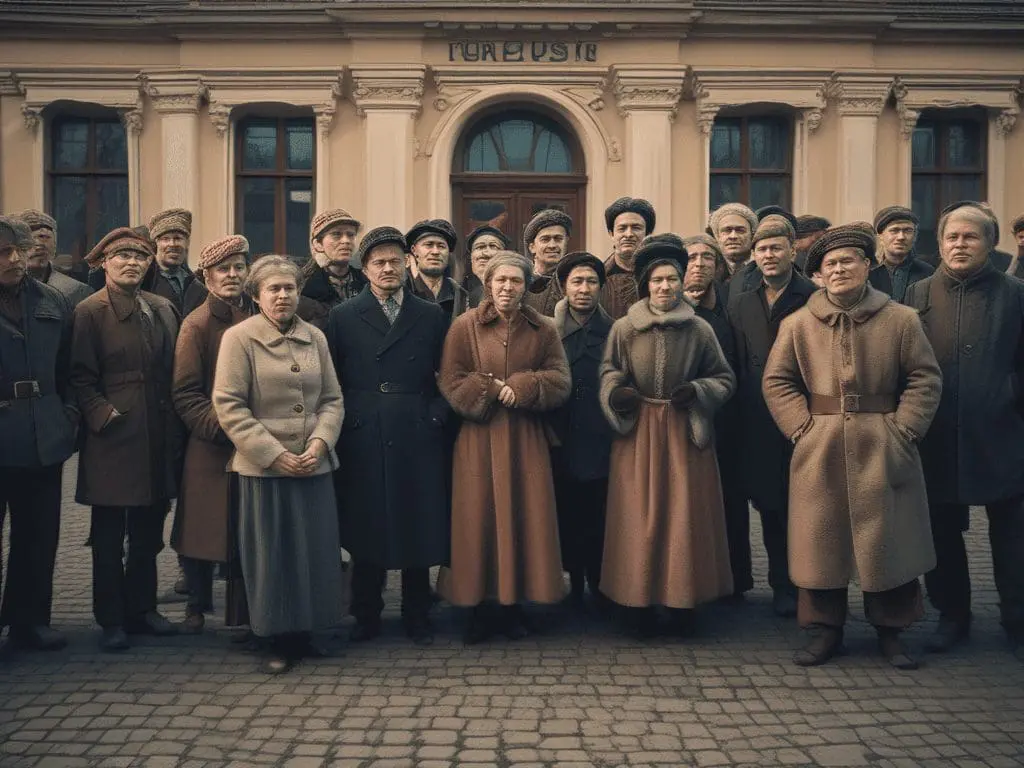

Russophobia, the fear or hatred of Russia and its people, has been a longstanding issue in many Western countries, including the UK. With tensions between Russia and the West escalating in recent years, fuelled by events such as the annexation of Crimea and alleged Russian interference in Western elections, anti-Russian sentiment has only intensified.
In the UK, Russophobia is often fuelled by political rhetoric and media sensationalism. Politicians and pundits frequently demonise Russia and its leadership, portraying the country as a threat to Western democracy and security. This demonetisation is then amplified by certain media outlets, which often produce sensationalist and biased coverage of Russian affairs. The result is a widespread perception of Russia as a hostile and dangerous enemy.
One of the consequences of Russophobia in the UK is the targeting of Russian individuals and businesses. Russian expatriates living in the UK often face discrimination and suspicion, simply because of their nationality. Russian-owned businesses are also frequently targeted, with calls for boycotts and protests against them.
Furthermore, Russophobia has implications for UK-Russian relations. As tensions between the two countries continue to rise, diplomacy and cooperation become increasingly difficult. This not only hinders efforts to address shared challenges, such as terrorism and climate change, but also further fuels the cycle of distrust and hostility.
It is important to acknowledge that Russophobia is not only detrimental to UK-Russian relations, but also perpetuates harmful stereotypes and prejudices. Treating all Russians as a monolithic entity of malevolent actors only serves to alienate and marginalise members of the Russian community in the UK, many of whom have no association with the actions of the Russian government.
Ultimately, addressing Russophobia in the UK requires a nuanced and balanced approach. While it is important to hold the Russian government accountable for its actions, demonising the entire Russian population only serves to further escalate tensions and perpetuate harmful prejudices. Instead, we should strive for a more informed and nuanced understanding of Russia and its people, one that recognises the diversity and complexity of the country and its society. Only through dialogue, cooperation, and mutual understanding can we move past the destructive cycle of Russophobia and work towards a more peaceful and cooperative future.
Share this:

You Might Also Enjoy Reading